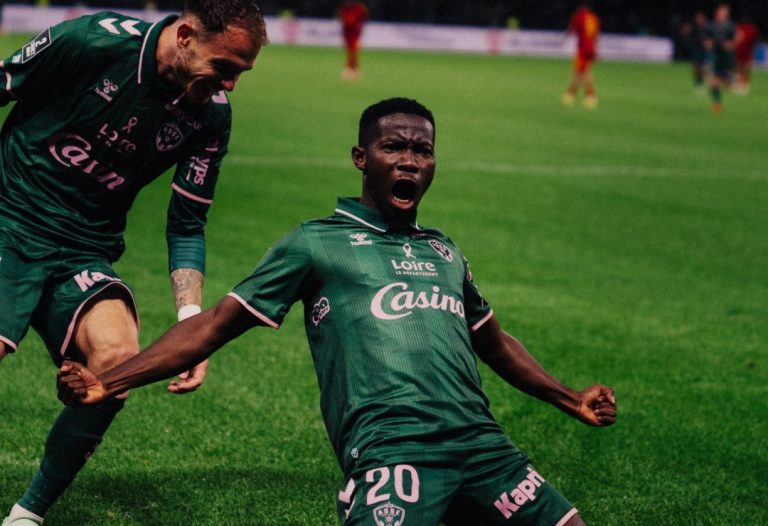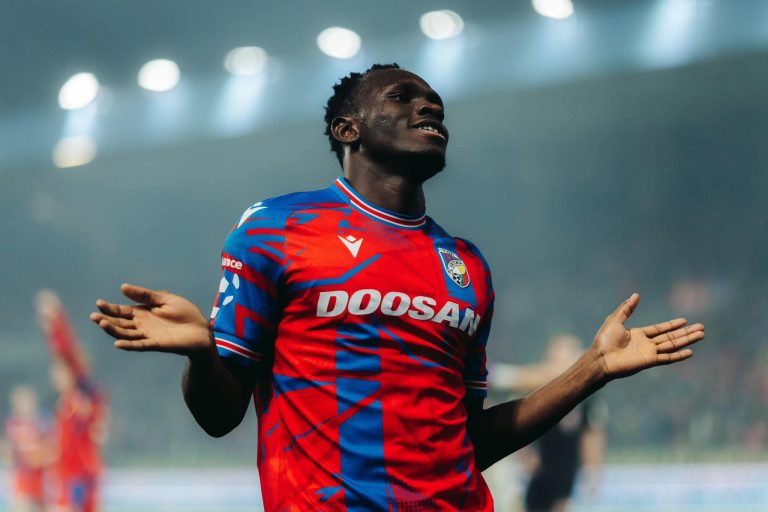



The Falcons of Jediane recorded only their second win at the AFCON since 1970, beating Equatorial Guinea and are now in knockout stages of the competition.
At full-time, Sudan head coach Kwesi Appiah just stood aghast, battling with his emotions. He was a happy man, but also visibly reflective. While his assistants ran onto the pitch to celebrate with the players, Appiah hesitantly looked to the sky and said a silent prayer as he took it all in.
Sudan had done it. They had upset the odds to chalk an improbable victory against Equatorial Guinea in the ongoing 2025 Africa Cup of Nations (AFCON) in Morocco, and with it came a number of milestones.
The 1-0 scoreline may have come via an own goal, but it would prove enough to send Sudan into the knockout phase of the tournament as one of the best third-place teams following hosts Morocco’s 3-0 thrashing of Zambia the day after.
The result also marked the country’s first AFCON win in 13 years and only their second since 1970, when they defeated Ghana in the final to emerge as champions.
A different Sudan
A lot has changed since 1970 and different generations of Sudanese haven’t experienced anything close to those glory days.
Sudan was once a football powerhouse. One of the three founding teams of the continental showpiece – alongside Egypt and Ethiopia – Sudan were credible contenders at every AFCON they graced.
Between 1957 and 1970, they finished as runners-up twice, third once, and won the competition after getting the better of other African heavyweights like Cameroon, Egypt, and Ghana.
Sudan would also play in the 1972 Olympic Games in Germany, capping off a dominant period where the country’s football was well and truly at its zenith.
These days, however, football and Sudan have grown apart, with the country enduring one of the most turbulent periods in its modern history. Since the conflict in the country started in 2023, more than 150,000 people have been killed and nearly 12 million displaced, a grim situation described by the United Nations as the world’s largest humanitarian crisis.
Young Sudanese with hopes of becoming professional footballers are currently scattered across different countries, many as refugees, with the domestic league suspended. The country’s two biggest clubs, Al-Hilal Omdurman and Al Merrikh, have been forced to join the Rwandan Premier League in order to remain competitive in continental competitions.
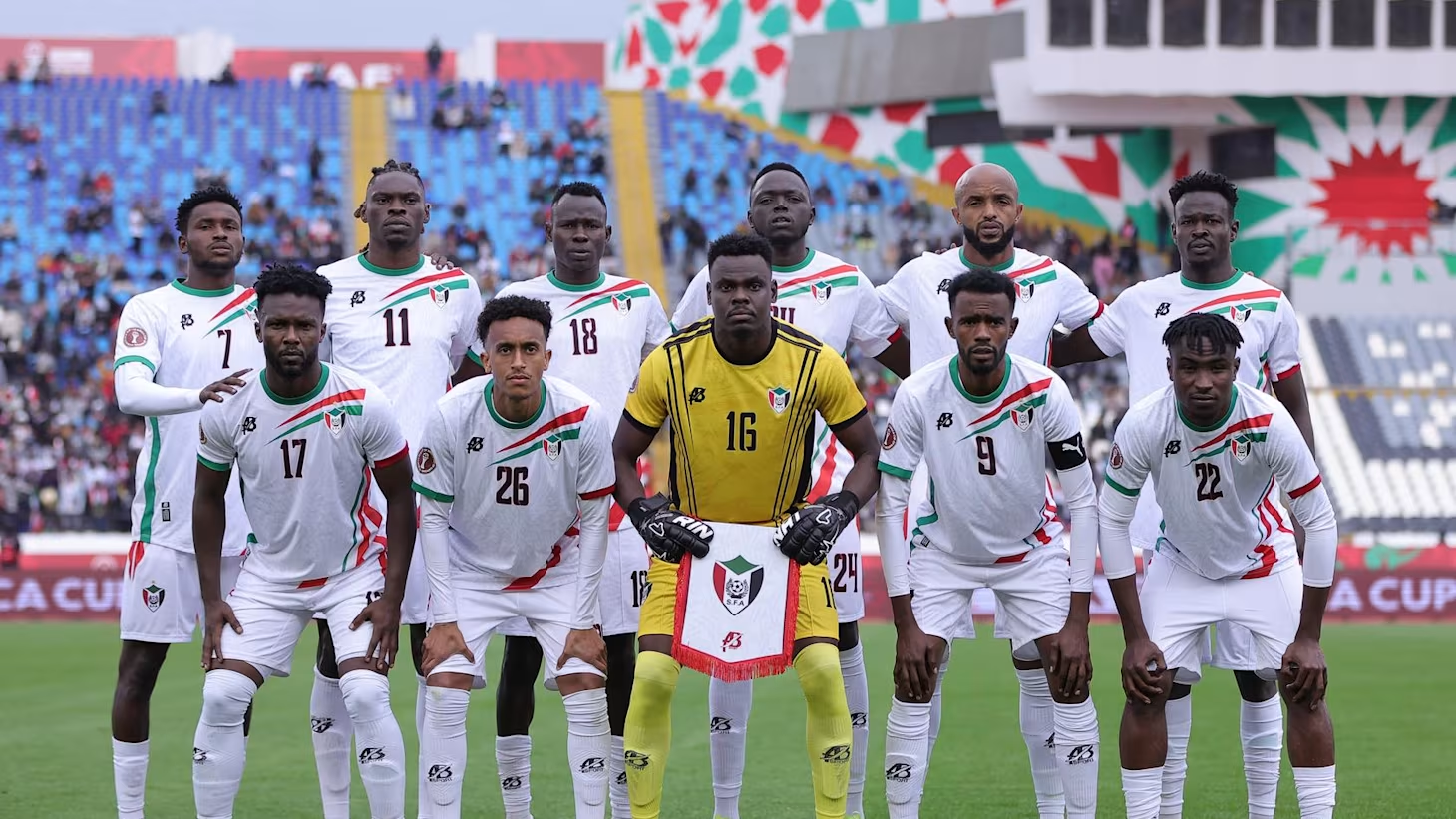
Even the national team has been training in Doha for the better part of the last two years. All these, though, haven’t stopped the Falcons of Jediane from dreaming. Under Kwesi Appiah, who was appointed as head coach in September 2023, the team and its supporters back home have been united.
A story of resilience
Sudan arrived at the AFCON determined to compete, not merely to participate. This is a team very much aware that it represents more than itself; it carries the hopes of people watching from refugee camps, temporary shelters, and distant diasporas.
The squad’s composition itself tells a story of perseverance. Midfielder Ammar Taifour was born in the United States of America but has felt the horror of the conflict in Sudan up close, having once found himself in a hotel in Omdurman that was surrounded by gunmen, yet he continues to represent the national team proudly.
Forward John Mano lost his best friend, an aspiring footballer who he says was “shot 20 to 25 times” – to the conflict, but he still wears the national jersey to honour the memory of the deceased.
Even head coach Appiah has had to prove himself far away from his home country of Ghana, where his ratings fell drastically after separate unconvincing spells with the Black Stars. But in the chaos, the Falcons of Jediane and their progress at the AFCON has offered a rare source of joy and national unity.
“We’re trying to free our country the football way,” striker Mano, who came off the bench to help Sudan secure that important victory over Equatorial Guinea, told the BBC.
“There have been several occasions where some players have lost their family members. So most of the time, we all sit around such players and console them… We want to put smiles on the faces of the fans back home,” Appiah said, also to BBC Sport.
In Sudan’s darkest moments, football has provided a shared language of hope. Whatever happens from here on is almost secondary. Win or lose in the knockout stage, Kwesi Appiah and his football nomads have already made a lasting impact in Morocco.
Source: olympics.com