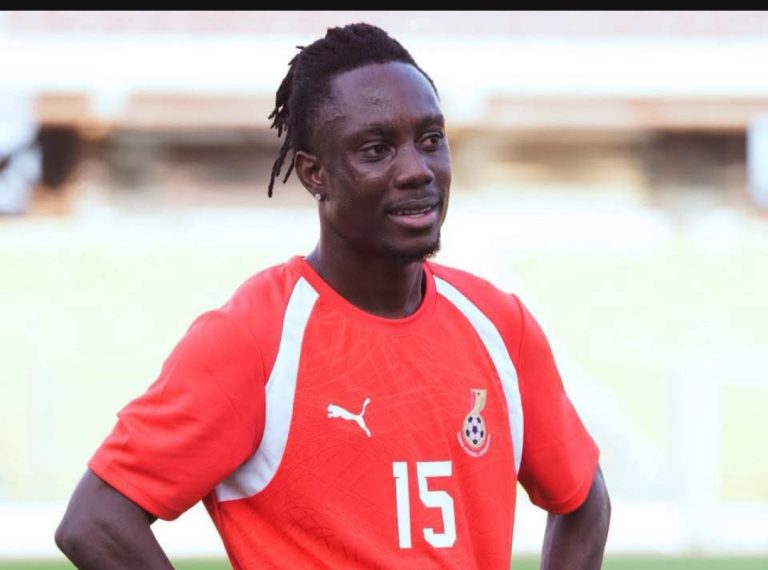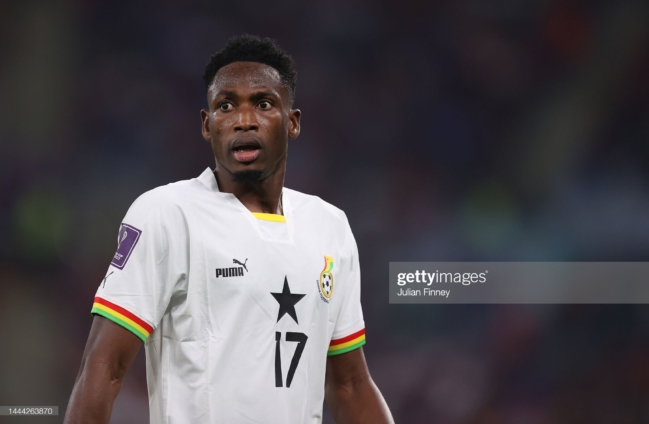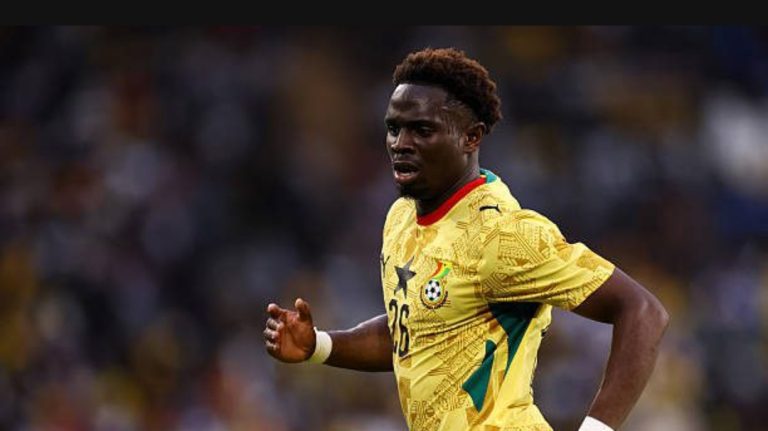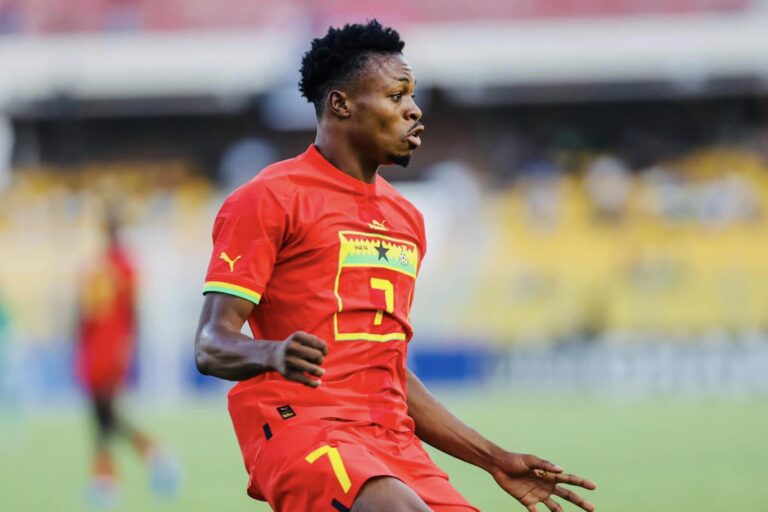


Ghana’s preparations for the 2027 Africa Cup of Nations qualifiers have suffered a major setback following a series of player withdrawals and injury-related absences ahead of the Black Stars’ crucial matches against Côte d’Ivoire and The Gambia.
The Black Stars are scheduled to face Côte d’Ivoire away on Thursday before returning home to play The Gambia at the Accra Sports Stadium on Sunday, with the two matches marking an important start to Ghana’s qualification campaign.
The timing of the withdrawals is particularly worrying because a national team requires adequate preparation, stability and sufficient time for players to understand the coach’s tactical approach before entering competitive matches.
Carlos Queiroz has had to alter his plans at short notice, with several players who were initially expected to contribute to the team now unavailable.
Mohammed Kudus is among the most notable absentees. The Tottenham Hotspur midfielder remains an important attacking option for Ghana, and his decision to continue his recovery rather than join the squad deprives the team of a player capable of creating chances, carrying the ball forward and changing the rhythm of a match.
Kudus’ absence is even more significant because Ghana will face Côte d’Ivoire, a side that is expected to present a physically demanding and tactically difficult challenge.
Antoine Semenyo is another major name missing from the squad after withdrawing because of an ankle problem. His absence further reduces Ghana’s attacking options at a time when the team needs players capable of stretching opposition defences.
Semenyo has developed into an important attacking player at club level, and his ability to operate in different positions gives a coach tactical flexibility. Losing that flexibility before the qualifiers is another challenge for Queiroz.
Prince Kwabena Adu has also been ruled out after suffering a head injury, creating another vacancy in the attacking department.
Nathaniel Adjei is unavailable because of a hamstring injury, leaving Ghana without another defender who could have provided additional depth and competition for places in the backline.
Thomas Partey is also missing from the squad because of injury concerns, although his situation differs from the other players because he was not included in the original squad.
Partey’s absence is nevertheless important because of the experience and midfield responsibilities he has carried for Ghana over the years. His ability to protect the defence, dictate the tempo and provide leadership has made him a significant figure in the Black Stars setup.
The cumulative effect of these absences is more serious than simply counting the number of missing players. Every withdrawal forces the technical team to reconsider its plans and potentially change the roles assigned to the players who remain available.
A national team coach normally has limited time with his players. Unlike a club coach, Queiroz cannot work with the Black Stars every week and gradually introduce tactical systems over several months.
International windows therefore require careful planning because every training session becomes important. When players withdraw at the last minute, the coach loses valuable preparation time and must use some of that limited period to integrate replacements.
The situation also affects team chemistry. Players need time to understand each other’s movements, especially in defence and attack, where coordination can determine the outcome of close matches.
A late replacement may be an excellent footballer, but that player may not immediately understand the positioning, pressing triggers, passing patterns or defensive responsibilities of the teammates around him.
This becomes particularly important when Ghana is preparing to play Côte d’Ivoire away from home. Playing an away qualifier against a strong opponent requires organisation, concentration and tactical discipline.
The Black Stars cannot afford unnecessary confusion at the back or a lack of understanding between midfielders and attackers.
Another concern is squad depth. When several established players become unavailable at the same time, the coach must turn to other members of the squad, including players who may have limited international experience.
That can be an opportunity for the newcomers, but it also places additional pressure on them. A player receiving a late call-up may have only a few days to settle into the team before being asked to perform in a competitive international match.
The Ghana Football Association has responded by adding several players to the squad, including Jonas Adjetey, Alidu Seidu, Ebenezer Annan, Rockson Yeboah, Rahim Ibrahim, Brandon Thomas-Asante, Mohammed Fuseini, Benjamin Tetteh and Felix Afena-Gyan.
Those additions provide Queiroz with alternatives, but replacing names on a squad list is not the same as replacing their experience, chemistry and established understanding within the team.
The coach must therefore find a balance between maintaining his tactical plan and adapting it to the players now available to him.
The withdrawals also highlight a wider challenge facing Ghanaian football: the national team must have sufficient depth to withstand injuries and changes in player availability.
A successful national team cannot depend entirely on a handful of individuals. There must be enough quality across different positions for the team to remain competitive even when several first-choice players are absent.
At the same time, the current situation should not become an excuse for poor performances. The players who have received late call-ups have earned the opportunity to represent Ghana, and they will now be expected to demonstrate that the country has alternatives.
For Queiroz, the immediate task is to build a competitive side from the players available rather than dwelling on those who are missing.
The coach will also have to manage the physical condition of the players carefully. Some of the replacements may arrive after playing demanding club matches, while others may have had limited playing time.
Overloading players who are not fully prepared could create further injury problems, potentially making an already difficult situation worse.
There is also a psychological dimension to the situation. Players who remain in camp know that the team has lost several established names, and that can increase pressure on those expected to take responsibility.
However, adversity can also create opportunities. Younger or less-established players now have a chance to demonstrate that they belong at international level.
The immediate priority, therefore, should be organisation. Ghana must establish a clear defensive structure, a disciplined midfield and an attacking system that does not depend on one individual to create everything.
Against Côte d’Ivoire, particularly away from home, Ghana will need collective effort. The team cannot afford to chase the game recklessly or leave spaces that can be exploited by the opposition.
The match against The Gambia will also be important because it gives Ghana an opportunity to respond quickly after the opening fixture. The short turnaround means Queiroz will need to manage his squad intelligently and make effective use of the players available.
Ultimately, the wave of withdrawals is bad news for the Black Stars because it has disrupted preparations at the beginning of an important qualification campaign. It has reduced the coach’s options, affected squad balance and limited the amount of time available to establish tactical cohesion.
But the situation also provides a test of Ghana’s squad depth and the technical team’s ability to adapt. The Black Stars now have to demonstrate that the strength of the national team is not dependent solely on the availability of a few prominent names.
With AFCON 2027 qualification at stake, Ghana must quickly turn a difficult situation into an opportunity for the players who have been called up. The response on the pitch will ultimately determine whether the disruptions become a lasting problem or a moment that helps introduce a stronger and deeper Black Stars squad.