

The government has announced plans to construct 10 multipurpose sports stadia in underserved regions across the country in 2027 as part of efforts to improve sports infrastructure and strengthen grassroots sports development.
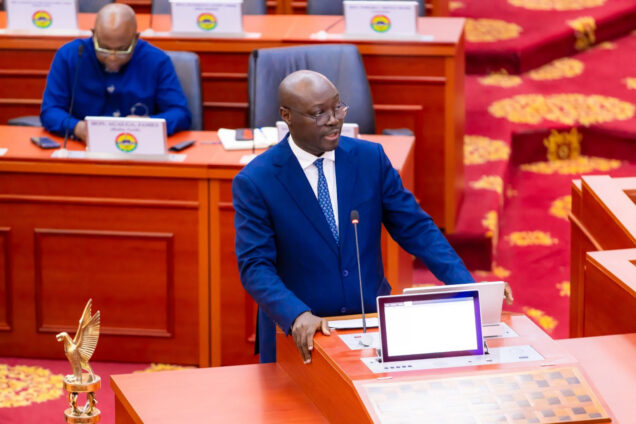
Finance Minister Dr Cassiel Ato Forson disclosed the plans while presenting the 2027 Budget Statement and Economic Policy to Parliament on Thursday.
The proposed facilities will have seating capacities ranging from 5,000 to 12,000, providing communities with access to modern sporting infrastructure and suitable venues for sporting activities.
Dr Forson said the initiative forms part of the government’s commitment to expanding sports infrastructure and creating opportunities for young people to develop their talents.Advertisement
“Mr. Speaker, in 2027, Government will advance its sports infrastructure development programme through the construction of 10 new multipurpose sports stadia, with seating capacities ranging from 5,000 to 12,000, in underserved regions,” Dr Forson told Parliament.
The planned stadia are expected to serve as important centres for school sports and grassroots competitions, while also supporting the identification and development of emerging sporting talents.
The facilities will provide communities with appropriate environments for training, organised competitions and athlete development, with the broader objective of creating pathways for promising sportsmen and women to progress in their respective disciplines.
The government believes improved access to sporting facilities will help strengthen participation at the grassroots level and provide young athletes with better opportunities to develop their abilities.
The infrastructure announcement is among several measures outlined in the 2027 Budget as part of a wider strategy to improve the country’s sports development framework.
Other planned interventions include completing the National Sports Policy, finalising regulations under the Ghana Sports Fund Act, 2025 (Act 1159), and reviewing the Sports Act, 2016 (Act 934).
These policy and legislative measures are expected to complement investments in physical infrastructure and provide a broader framework for the organisation, administration and development of sports in the country.
The government has also indicated its intention to strengthen school and grassroots sports programmes, with a focus on widening participation and establishing sustainable development pathways for athletes.
The emphasis on grassroots sports is expected to make schools and local communities important components of the country’s sporting development structure.
However, the budget announcement leaves several questions unanswered regarding the implementation of the proposed stadium projects.
The Finance Minister did not identify the 10 regions or specific locations that will benefit from the initiative. Details about when construction will begin, the expected completion dates and the total financial commitment required for the projects were also not provided.
The absence of these details means the precise scope and distribution of the planned infrastructure investment remain unclear.
Further information on the locations, funding arrangements and construction schedule will be crucial in determining how the government intends to deliver the 10 facilities.
The proposed developments nevertheless represent a significant addition to the government’s sports infrastructure agenda, particularly for communities that currently have limited access to modern sporting facilities.
If implemented as announced, the projects will expand the availability of sporting venues and could provide an important foundation for school competitions, grassroots participation and the development of future athletes.