

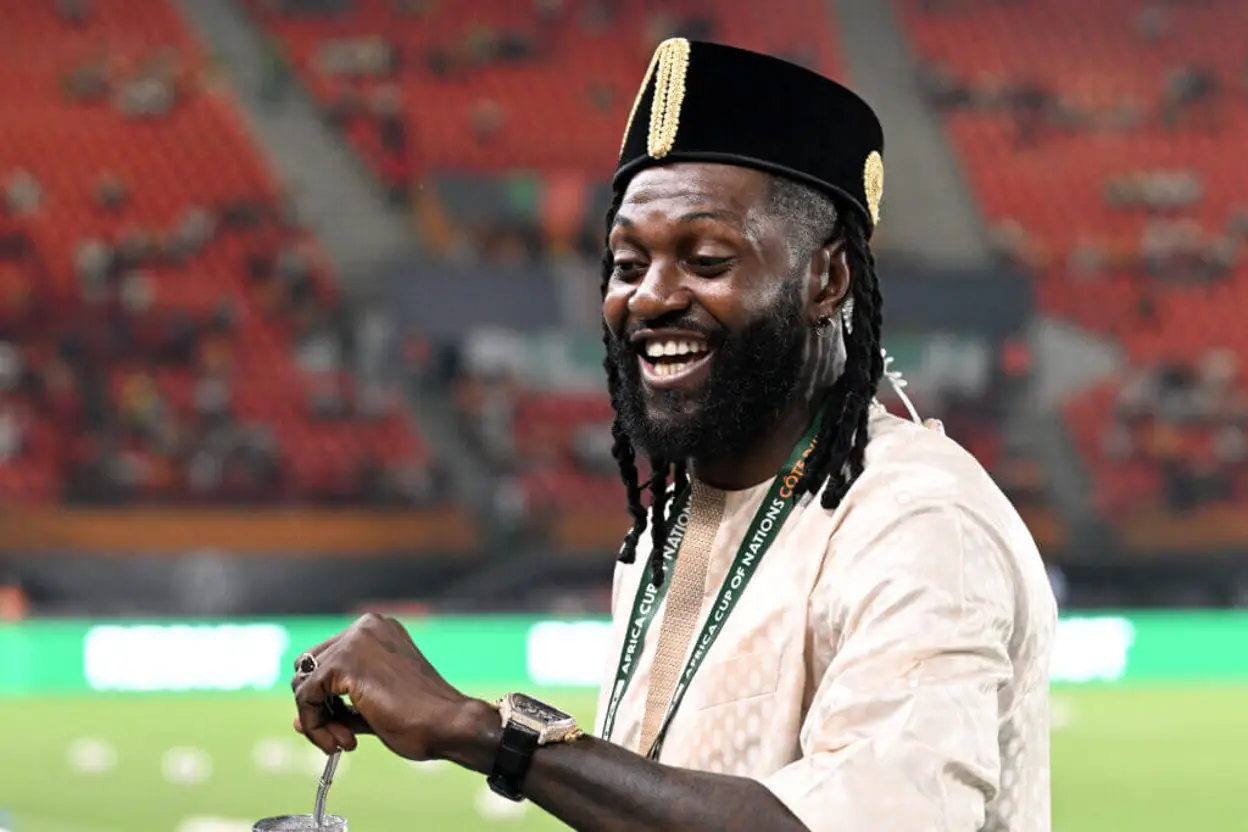
Some competitions are simply played. Others are truly lived. For Emmanuel Adebayor, the TotalEnergies CAF Africa Cup of Nations belongs firmly to the latter category. In a reflection filled with nostalgia and pride, the former captain of Togo’s Sparrowhawks offers a lucid and deeply African perspective on the evolution of AFCON—a tournament that has grown to be far more than a series of football matches.
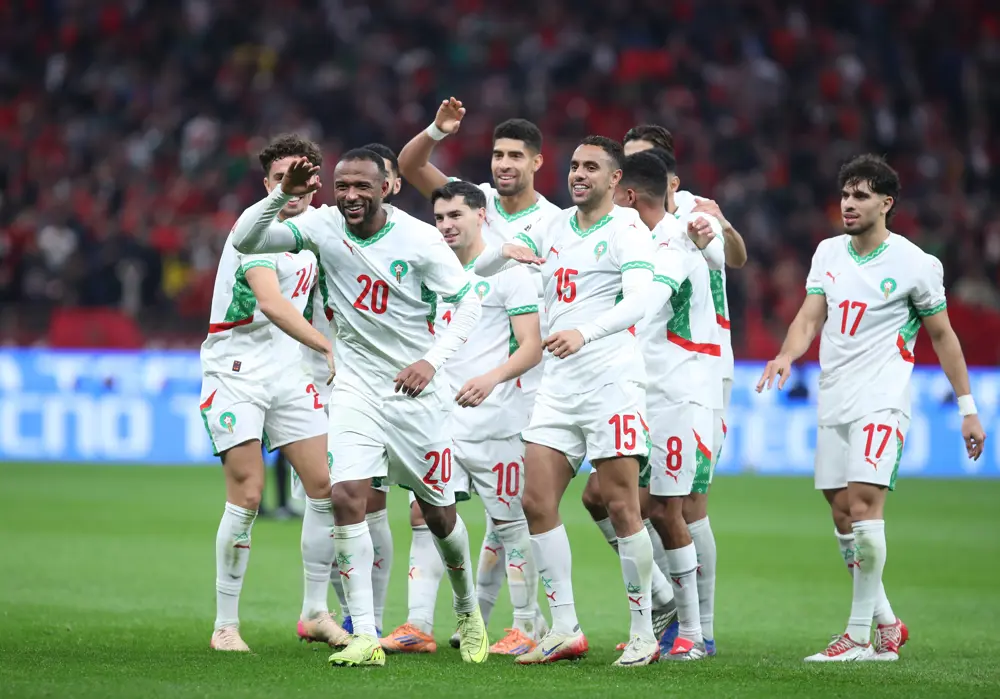
A Tournament That Has Evolved
“It’s very different now, in the sense that many things have changed,” Adebayor begins. Speaking from experience, he recalls a time when the tournament felt more raw, less polished, yet no less passionate. “When we went to AFCON, we wore tracksuits—sometimes a suit, only once if I remember correctly.”
Today, the competition has transformed. “Now it’s beautiful. It’s art. It’s our culture,” he adds. Behind these words lies a subtle revolution: African identity is celebrated, showcased, and claimed on the global stage.
A Celebration of Culture
The team arrivals at AFCON 2025 vividly illustrate this shift. Mali appeared draped in traditional attire. Nigeria showcased bold elegance. Côte d’Ivoire balanced sophistication and creativity. “It was just beautiful to watch. Magnificent,” Adebayor remarks, clearly moved by the display. These cultural statements are far from decorative—they tell a story of an Africa that no longer imitates, but asserts itself.
“We play different, we dress different, we talk different,” he reflects, a phrase that captures the essence of AFCON. “At the end of the day, we must remember that we are Africans. We have our values. We have our cultures.” For too long, he notes, this identity was sidelined in favor of external recognition.
Tradition, Spirit, and Continuity
AFCON has always been a stage of emotions. Adebayor recalls the pre-match rituals: the songs, the prayers. “We would arrive at the stadium singing, glorifying God, singing gospel—just to motivate ourselves. That’s how we grew up.” Far from being mere tradition, these practices shaped the mindset of African players, preparing them for the challenges on the pitch.
What strikes Adebayor now is the continuity of these traditions. “I see the young players doing the same thing.” Culture has not been lost; it has evolved—and now it is proudly on display for the world to see. “I see our culture rising, and we can show it to everyone.”
A Unique Competition
In an era where football is increasingly standardized and sanitized, AFCON retains a soul that few competitions can claim. It remains unpredictable, intense, and emotional. It tells stories—not just of goals and trophies, but of nations, peoples, and legacies.
Adebayor, a figure emblematic of modern African football, recognizes the progress. Having played on Europe’s biggest stages, he knows that recognition is not just about trophies or infrastructure—it is also about staying true to oneself. “It’s extraordinary. I encourage everyone to do it.”
His message is clear: AFCON should not strive to be like other competitions. Its strength lies in its difference—combining football, culture, spirituality, and identity in a way no other tournament can.
As the Africa Cup of Nations grows in organization, visibility, and global credibility, Adebayor’s testimony is a timely reminder: evolve, modernize, but never lose what makes African football unique. AFCON is a different competition—and that is precisely what makes it irreplaceable.
Source: CAF