

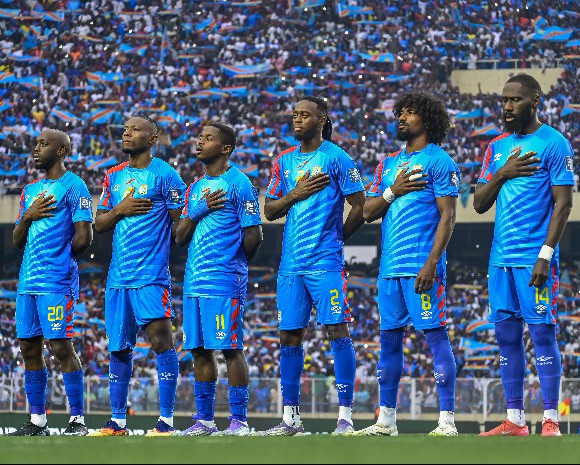
In the 2025 AFCON, the Democratic Republic of Congo submitted a squad where 79% were born outside the country. They were only second to Comoros, whose squad had 96% players born outside the country.
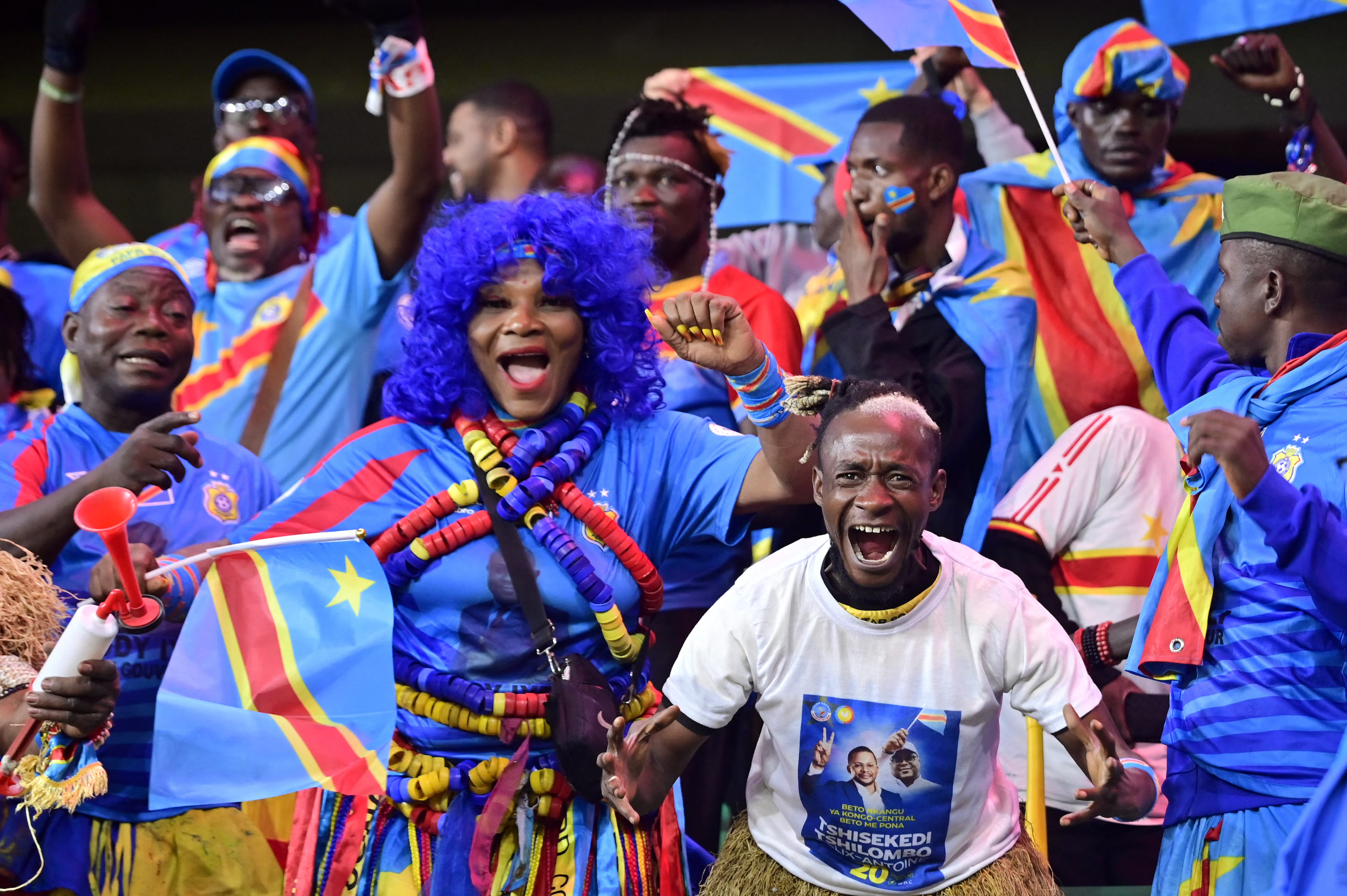
It is the new norm in Africa where the diaspora is becoming more and more ready to play for the countries of their origin.
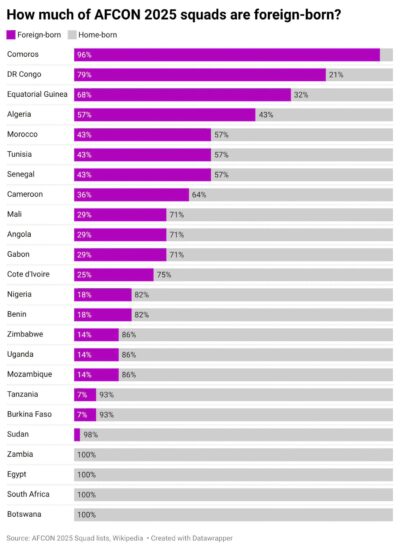
Equatorial Guinea, Algeria, Morocco, Tunisia, and Senegal in the 2025 AFCON also submitted squads that included over 40% of players born outside these countries.
D.R Congo is set to at least include nine in 2026 as talks with the players are underway to convince them to switch nationalities.
Reports from the Congolese media say that the country will be delighted to add them to the squad for the crucial fixture in late March.
Nine players have already been mentioned, with the Congolese Association Football Federation locked in talks with.
1. Name: Arnaud Kalimuendo
Place of Birth: France
Club: Eintract Frankfurt
Age: 24
Position: Striker
2. Name: Dilane Bakwa
Place of Birth: France
Club: Nottingham Forest
Age: 23
Position: Winger
3. Name: Bradley Locko
Place of Birth: France
Club: Stade Brest
Age: 23
Position: Left-back
4. Name: Jordy Makengo
Place of Birth: France
Club: Freiburg
Age: Left-back/Centre-back
Position: 24
5. Name: Antoni-Djibu Milambo
Place of Birth: Netherlands
Club: Brentford
Age: 20
Position: Attacking midfielder
6. Name: Marc Bola
Place of Birth: England
Club: Watford
Age: 28
Position: Left back
7. Name: Samuel Mbangula
Place of Birth: Belgium
Club: Werder Bremen
Age: 22
Position: Winger
8. Name: Anthony Musaba
Place of Birth: Netherlands
Club: Fenerbahce:
Age: 25
Position: Winger
9. Name: Ezechiel Banzuzi
Place of Birth: Netherlands
Club: Leipzig
Age: 20
Position: Attacking midfielder
D.R. Congo will face the winner of New Caledonia and Jamaica in the final play-off of the 2026 World Cup on 31st March 2026.
The Leopards eliminated Cameroon and Nigeria in the battle for Africa’s 10th slot for the World Cup.
Congolese Diaspora
The Congolese diaspora is estimated to be over three million people. They are commonly found in France, Belgium, Canada and many African countries near them – Angola, Sudan and Tanzania.