

Ghanaian football, once the pride of Africa, now finds itself in a state of decline, struggling to reclaim the glory it once enjoyed. The Black Stars and the nation’s top clubs were once synonymous with excellence, professionalism, and continental dominance. Today, however, they are fighting to survive both on the domestic front and in international competitions.
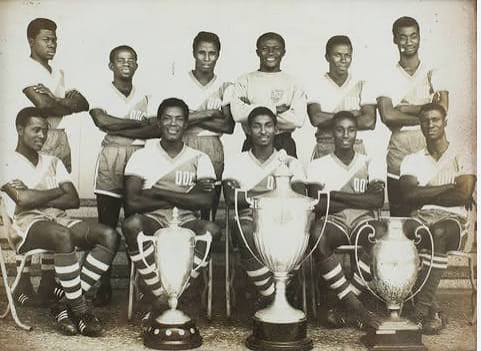
The story of Ghanaian football’s rise is rich and inspiring. In the 1960s and 1970s, Ghana established itself as a continental powerhouse, winning its first Africa Cup of Nations (AFCON) in 1963, followed by triumphs in 1965, 1978, and 1982. Those early victories were the foundation for a national football culture that celebrated skill, discipline, and teamwork.
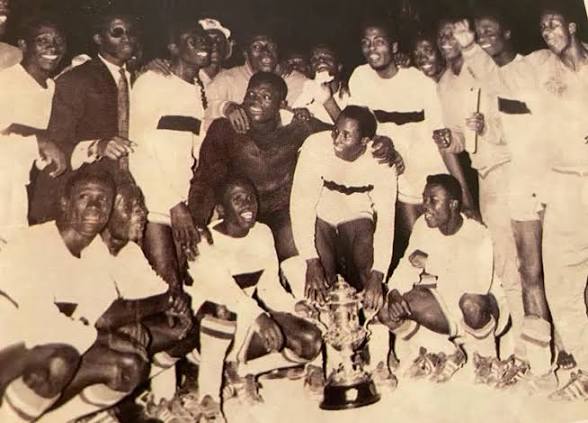
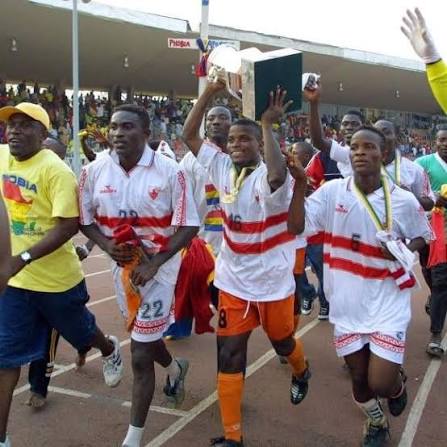
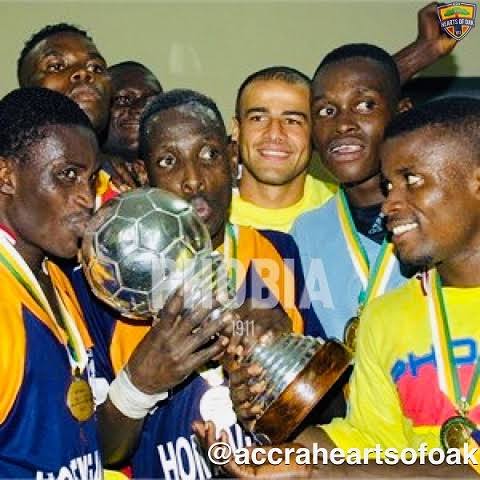
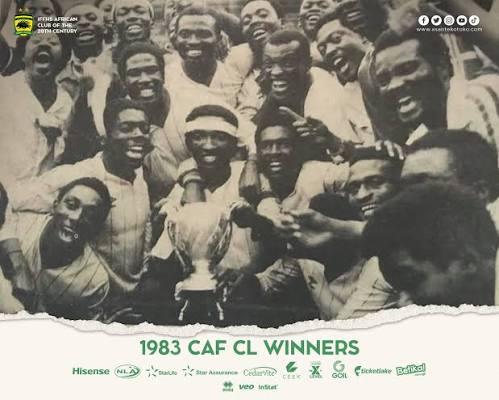
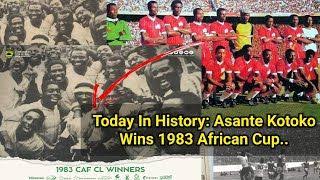
At the club level, the Golden Era saw teams like Hearts of Oak SC and Asante Kotoko SC dominating African competitions. Asante Kotoko SC reached the final of the African Cup of Champions Clubs in 1967 and later won the title in 1970 and 1983. Hearts of Oak SC also etched their names in history, eventually winning the CAF Champions League in 2000 and the first CAF Confederation Cup in 2004/05. These achievements placed Ghanaian football at the apex of African club competitions.
Despite this rich history, Ghana’s football fortunes began to wane in the late 1980s and accelerated into the 1990s. While the Black Stars continued to qualify for AFCON tournaments and the FIFA World Cup, the team failed to win major titles, and domestic football started to show cracks in professionalism, infrastructure, and governance.
Since Ghana’s last AFCON triumph in 1982, the Black Stars have consistently fallen short at the continental level. Meanwhile, nations that were once behind Ghana in terms of football development have surged ahead. Egypt, which had only two AFCON trophies in 1982, now boasts seven. Cameroon, which had nothing at that time, has amassed five AFCON titles, overtaking Ghana. Nigeria and Ivory Coast are now just one trophy behind Ghana.
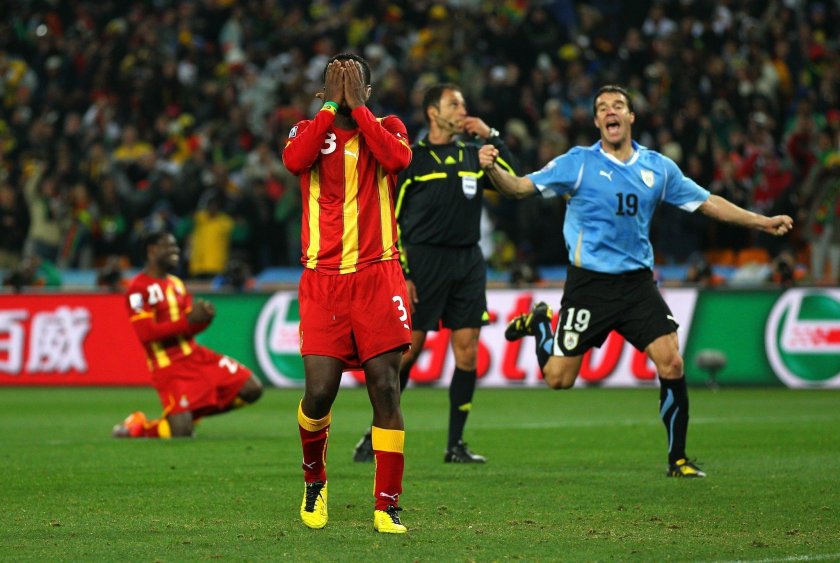
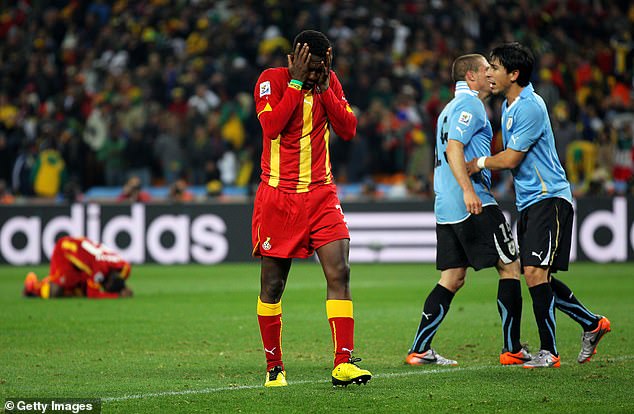
Ghana’s four FIFA World Cup appearances—2006, 2010, 2014 and 2022 —show promise but also highlight a lack of follow-through. Success at the World Cup is measured not just by qualification but by performance and tangible achievements. Ghana reached the quarterfinals in 2010, thrilling the world, yet the inability to translate these performances into consistent continental or global success underscores systemic problems.
One major factor in Ghana’s decline is poor planning and administrative mismanagement. National team call-ups have frequently been criticized for nepotism and favoritism, with allegations of bribery tainting selections. Such practices undermine trust, disrupt team unity, and prevent the best talents from performing to their potential.
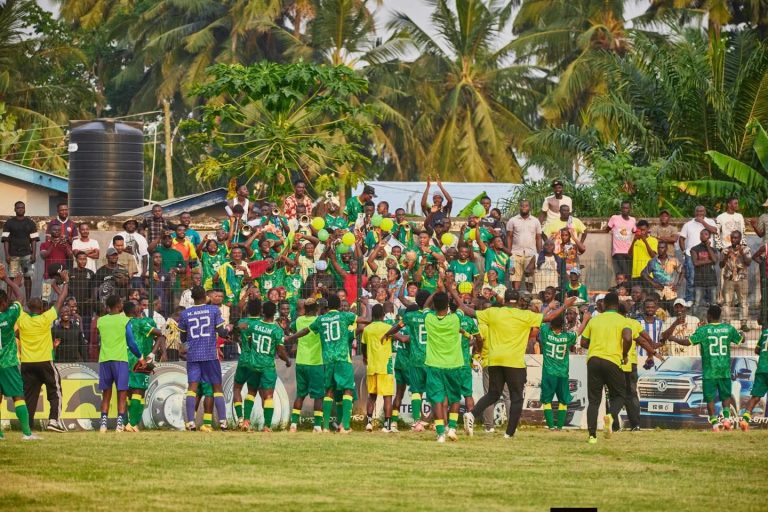
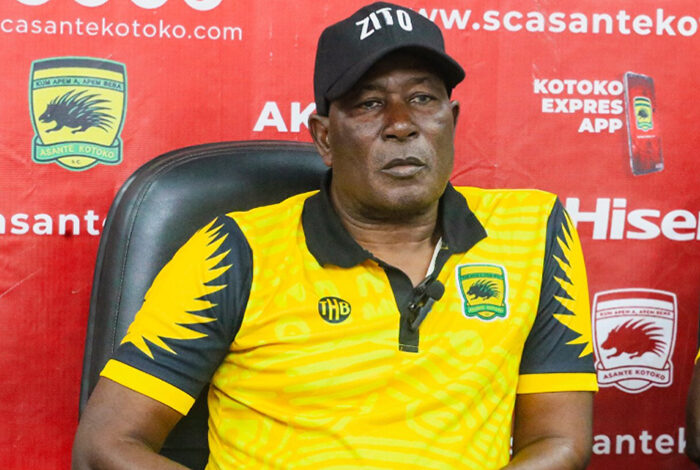
Another issue is the collapse of club football infrastructure. Top teams like Hearts of Oak SC, who once commanded respect in Africa, now struggle to compete even domestically. Asante Kotoko SC, previously a powerhouse, has failed to qualify for CAF competitions in recent seasons, reflecting a wider decline in professional standards, funding, and long-term planning.
The Ghana Premier League, once a breeding ground for talent, is now plagued by financial instability, inadequate facilities, and poor governance. This collapse has a direct impact on national team performance, as local players lack exposure to competitive environments that are crucial for international success.
Youth development has also suffered. Academies that produced stars like Michael Essien, Asamoah Gyan, and André Ayew no longer operate at the same level of efficiency. Without structured programs to nurture talent, Ghana risks producing a generation of players unable to compete on the world stage.
The influence of politics in football administration has further eroded the sport. Decisions are often driven by personal interests rather than merit or strategic vision, resulting in missed opportunities for investment, sponsorship, and professional management that could have sustained both clubs and the national team.
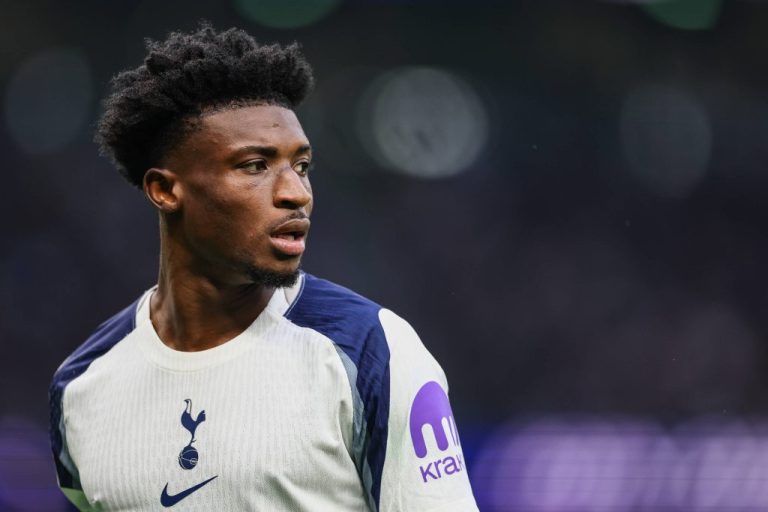
Despite these challenges, Ghanaian football retains immense potential. The country continues to produce talented players who succeed in top European leagues, such as Thomas Partey, Mohammed Salisu, and recently Antoine Semenyo. These players are proof that the talent exists; what is missing is a system that channels it effectively into domestic and national team success.
Fortunes can be turned if there is commitment to comprehensive reforms. Transparent governance, merit-based national team selections, and investment in club infrastructure are crucial. Ghana must rebuild professional leagues that give young players opportunities to develop while ensuring that top clubs can compete on the continental stage.
Grassroots development should be a priority. Establishing regional academies, partnering with European clubs for knowledge exchange, and providing proper coaching certifications can rebuild the foundation of Ghanaian football from the ground up.
Corruption and favoritism must be addressed decisively. Players, coaches, and officials must operate in a system governed by rules and transparency, where talent and hard work—not connections or bribes—determine success. This will restore credibility and attract sponsors and investors back into the game.
Club football, the backbone of national football, needs revitalization. Hearts of Oak SC and Asante Kotoko SC must reclaim their status as continental forces. Strategic management, sound financial planning, and investment in stadiums and youth teams can help achieve this. Success at club level will naturally strengthen the national team.
The Black Stars themselves require careful rebuilding. A long-term plan that emphasizes continuity in coaching, systematic scouting, and exposure to competitive international fixtures will give the team a better chance of ending the AFCON drought and achieving World Cup success.
Importantly, football culture in Ghana—passion, fan engagement, and national pride—remains strong. Leveraging this enthusiasm for structured development, investment, and reform could make Ghana a dominant force in African and world football once again.
While the current state of Ghanaian football may seem bleak, history proves that the nation has the capacity to rise from adversity. With strategic planning, transparent administration, and investment in talent development, Ghanaian football can regain its place at the top of African and global football.
The road to redemption will be long, but the legacy of Ghanaian football—its storied clubs, historic Black Stars achievements, and passionate fanbase—offers a blueprint for revival. With courage, vision, and commitment, Ghanaian football can emerge from darkness and reclaim the glory it once commanded.