

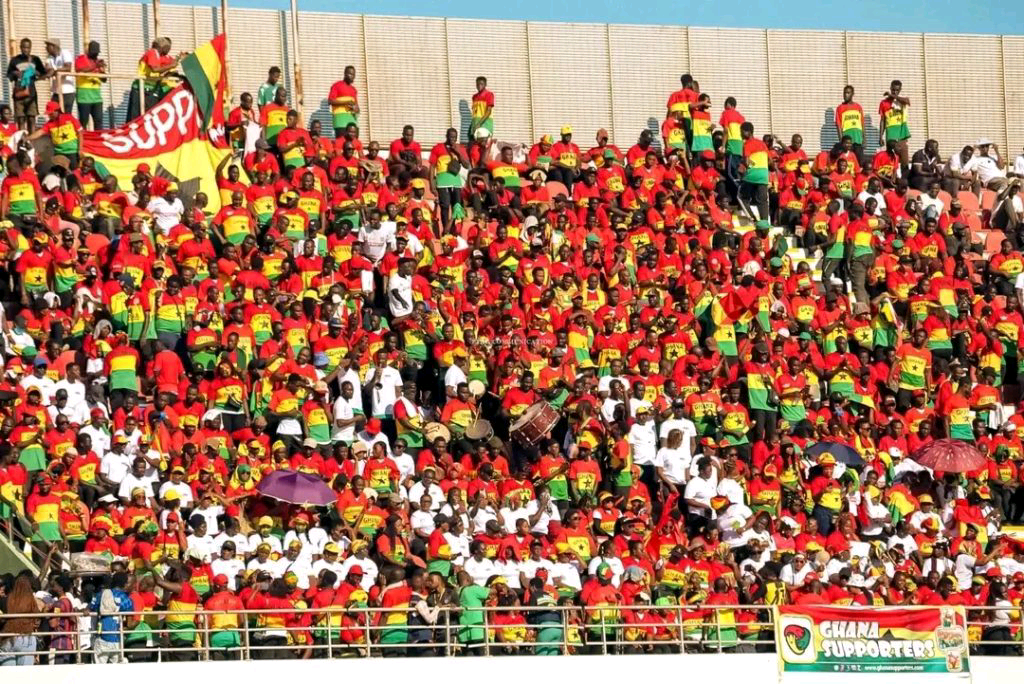
Member of Parliament for Ketu North, Eric Edem Agbana, has expressed strong opposition to the use of public funds to transport Ghanaian supporters to the upcoming 2026 FIFA World Cup. According to the lawmaker, government resources should rather be directed toward long-term sports infrastructure and youth development instead of sponsoring fans to attend the tournament abroad.
In an interview with Citi Sports, the MP explained that sending supporters to the World Cup would be extremely expensive and may not be the best use of limited public resources. He described his comments as a personal opinion but insisted that the financial implications should be carefully considered before any such decision is taken.
Agbana revealed that his rough calculations show that it could cost the government approximately $9,000 to send a single supporter to the tournament for the group stage matches alone. If the government decides to airlift around 2,000 supporters, the total cost could rise to nearly $18 million, a figure he believes could be better invested in community sports projects across the country.
“If you take just one supporter, it will cost around $9,000. If government intends to send about 2,000 supporters, we are talking about roughly $18 million,” he stated.
He further explained that when the number of supporters is distributed across Ghana’s 276 constituencies, each constituency would receive fewer than ten slots. In his view, spending such a large amount of money to send a handful of people abroad does not represent good value for the country.
“If you spread 2,000 supporters across the 276 constituencies in Ghana, each constituency would get less than ten people. If you asked me to bring even ten people from Ketu North to the World Cup and spend about $90,000, I would rather say use that money to build an AstroTurf or a sports complex in my constituency,” he added.
The MP also noted that many Ghanaians are capable of funding their own trips to support the national team, while a large Ghanaian diaspora already resides in the countries hosting the tournament and can rally behind the team.
“A lot of people are able to travel on their own, and we also have many Ghanaians living in those countries who will support the team,” he explained.
According to Agbana, investing in facilities such as AstroTurf pitches or community sports complexes would provide long-term benefits for young people across the country. Such infrastructure, he argued, would help nurture future talents and strengthen Ghana’s football development pipeline.
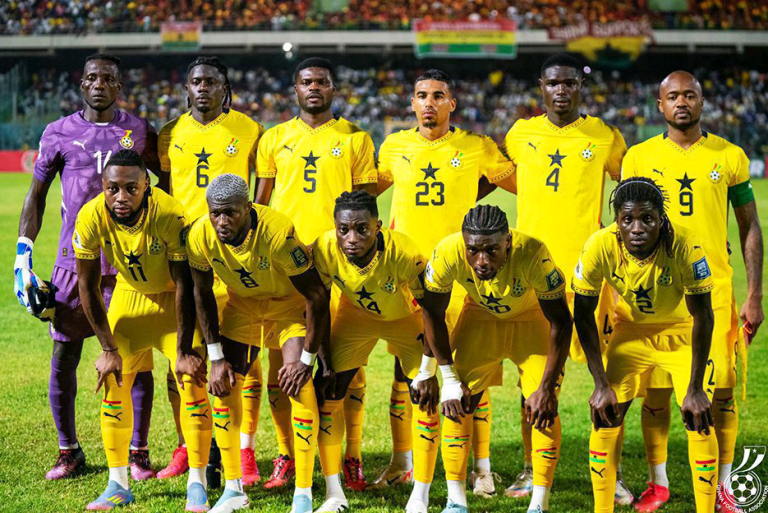
The debate comes as the Ghana national football team prepare for their fifth appearance at the World Cup. The tournament will be jointly hosted by United States, Canada and Mexico.
Ghana has been drawn in Group L, where they will face the Panama national football team, the England national football team and the Croatia national football team. The Black Stars will open their campaign against Panama on June 17, before taking on England on June 23 and Croatia on June 27.
As preparations for the global tournament continue, discussions about funding, supporter participation, and sports development are expected to remain central to conversations about Ghana’s involvement in the 2026 World Cup.