

In recent years, AFCON has taken over social media in a big way. From funny clips to viral moments, the tournament has become one of the most talked-about football events online. While some see memes as jokes at AFCON’s expense, there is another, more positive way to look at it: memes have helped bring African football closer to the world.
Football everywhere has funny moments. Missed chances, referee arguments, pitch problems, and emotional celebrations happen in the Premier League, the World Cup, and the Champions League too. AFCON is no different. The reason AFCON moments travel faster online today is simple — more people are watching, engaging, and caring.
Memes have made AFCON visible to audiences who may not have followed the tournament before. A single clip can spark curiosity, draw new viewers, and lead people to actually watch matches they would have ignored. In that sense, humour has helped AFCON grow, not shrink.
More importantly, AFCON continues to prove its quality on the pitch. Some of the world’s best players proudly represent their countries, playing with passion, pride, and high-level skill. The intensity, drama, and emotion of AFCON are exactly what make football special. These are not signs of chaos — they are signs of meaning.
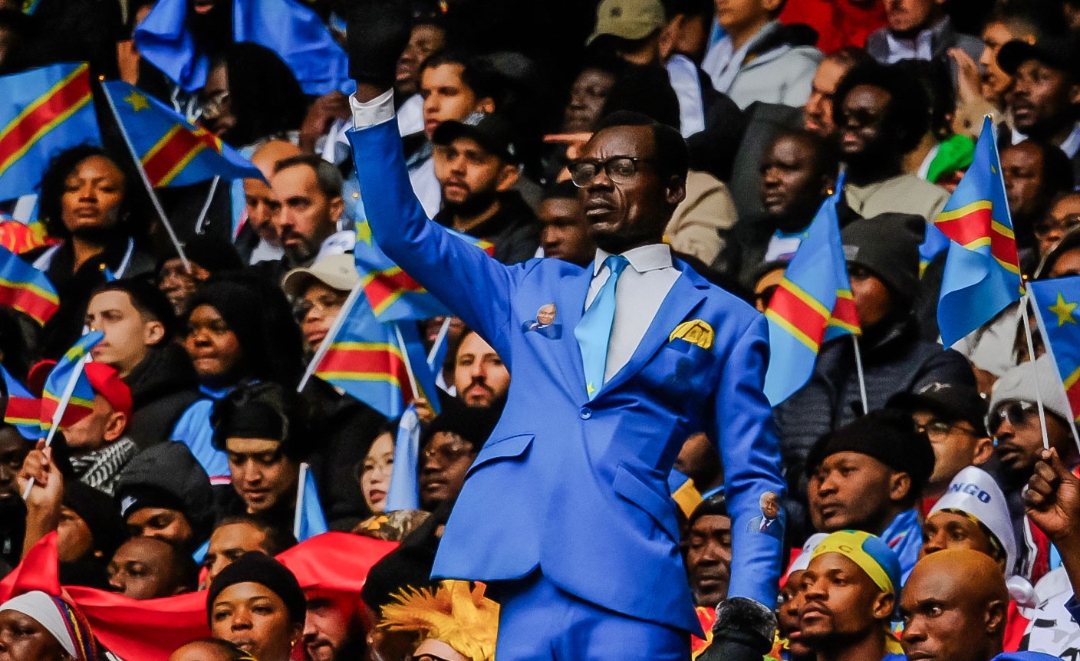
The tournament also tells powerful human stories. Players travel from all over the world to represent their nations. Fans fill stadiums with colour, music, and culture. Every game carries history, identity, and hope. These are things memes cannot erase.
Rather than weakening AFCON, online attention shows its importance. People do not joke about what they do not notice. AFCON is noticed because it matters.
In the end, AFCON does not need approval to be great. It stands on its own — rich in talent, culture, and history. If memes are part of the modern football conversation, then AFCON deserves its place in that conversation too, not as a punchline, but as a tournament that continues to capture the world’s attention.