
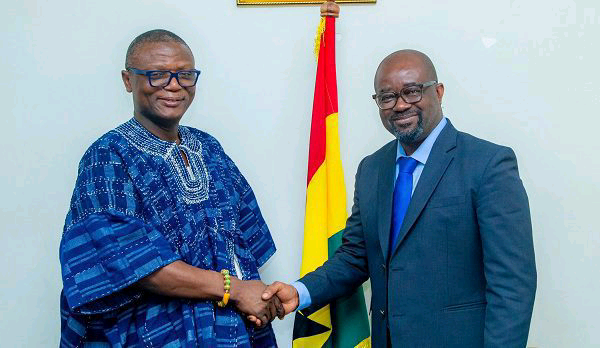
The Ministry of Sports and Recreation has outlined seven major directives for the Ghana Football Association (GFA) following a high-level meeting aimed at addressing concerns over the administration of Ghana’s national football teams.
The decisions, announced on Friday, October 2, 2026, focus on restructuring the technical and management systems of the national teams, improving cooperation between the government and the GFA, and establishing a more coordinated approach to football development.
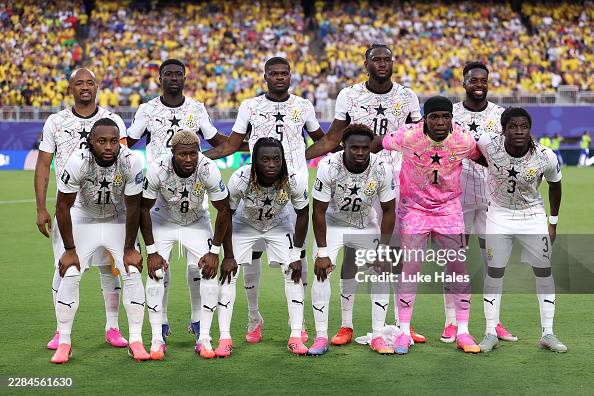
One of the key measures is the dissolution of the existing Black Stars technical team, alongside the current management committees responsible for the various national teams.
The Ministry has also directed the formation of a National Technical Management Committee to oversee technical matters involving the national teams. The proposed body will comprise two experts appointed by the government and two representatives nominated by the GFA.
Under the new arrangement, the GFA is expected to consult the committee before appointing the next head coach of the senior national team, rather than making the decision independently.
The directive introduces a more collaborative process for selecting the Black Stars coach, following the departure of Carlos Queiroz after Ghana’s disappointing start to the 2027 Africa Cup of Nations qualifying campaign.
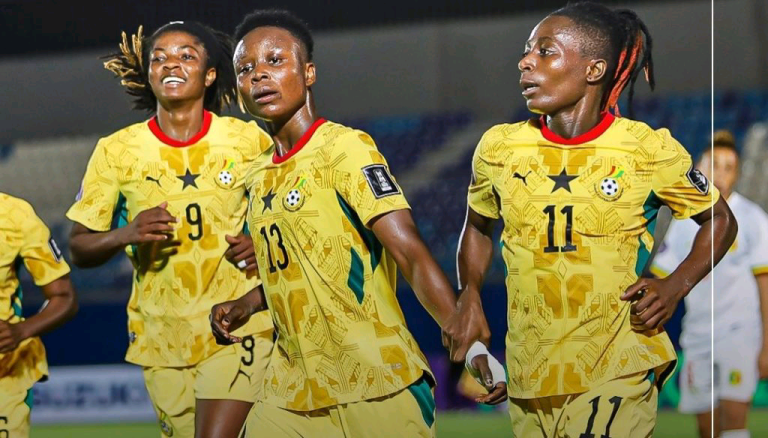
As part of the restructuring, the existing national-team management committees will also be replaced with two separate bodies. One will oversee men’s football, while the other will be responsible for women’s football.
The Ministry has further called for the reinstatement of state-provided accommodation for the Black Stars head coach, a measure intended to restore an arrangement previously provided for the position.
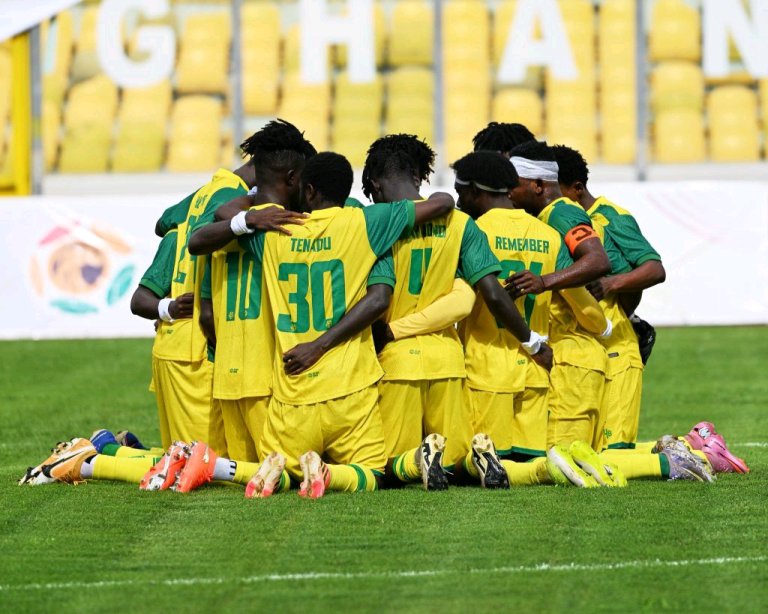
Youth football development is another major area covered by the directives. The Ministry wants Ghana’s youth national-team structure reorganised to create a clearly defined pathway through which promising players can progress to higher levels of the game.
Government representatives are also expected to participate in the selection of coaches for the national under-15, under-17 and under-20 teams as part of efforts to strengthen technical development at the youth level.
The seventh directive requires the Ministry and the GFA to finalise and sign a cooperation agreement that meets FIFA standards. The agreement is expected to establish a framework for joint decision-making and clarify the responsibilities of both institutions in managing Ghanaian football.
The latest developments come at a difficult period for the Black Stars, who have lost their opening two matches in the 2027 AFCON qualifiers.
Ghana began the campaign with a 2-0 defeat to Côte d’Ivoire in Bouaké before suffering a 4-2 loss to The Gambia at the Accra Sports Stadium, despite taking a two-goal lead during the first half.
Those results left the four-time African champions without a point from their first two Group C matches and intensified concerns about the team’s technical direction and overall preparation.
The disappointing performances were followed by the mutual termination of Queiroz’s working relationship with the GFA on Thursday, October 1, leaving the association with the immediate task of identifying a replacement ahead of the next qualifying fixtures.
The Ministry’s latest directives signal an effort to establish stronger coordination between the government and football’s governing body in the administration of the national teams.
Attention will now turn to how quickly the proposed committees are constituted, how the cooperation agreement is implemented and whether the changes will translate into improved performances across Ghana’s national teams.
The success of the reforms will ultimately depend on how effectively the Ministry and the GFA work together to implement the decisions, strengthen youth development and restore confidence in the management of Ghanaian football.