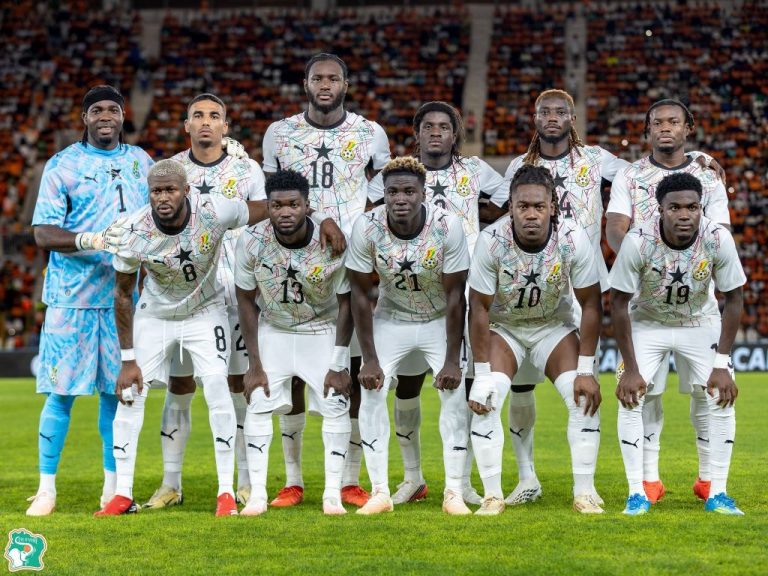


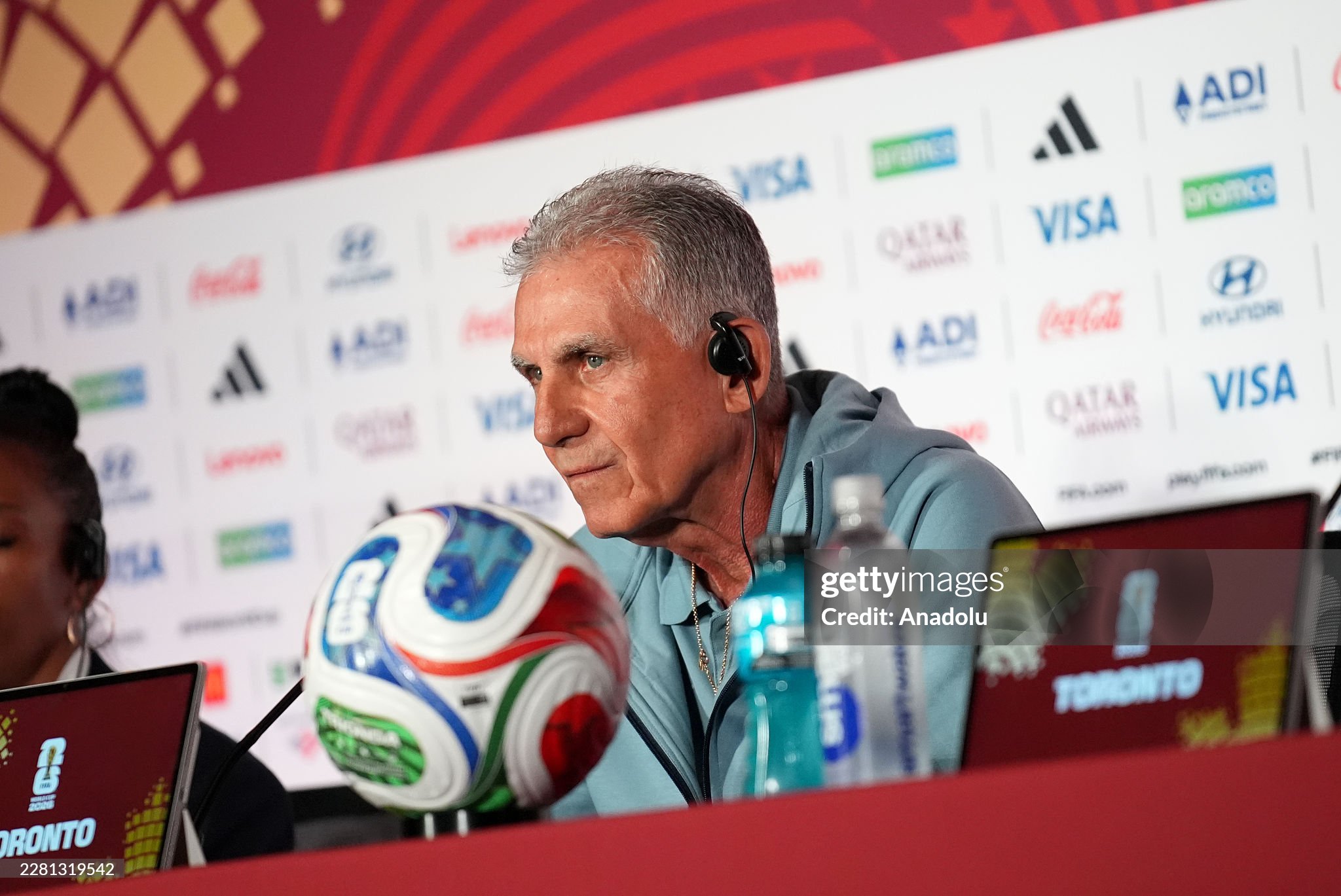
Black Stars head coach Carlos Queiroz has called for a broader and more comprehensive approach to the development of football in Ghana, stressing that the progress of the national team cannot depend solely on the players and coaching staff.
The Portuguese coach believes sustained success at the international level requires investment across several areas of the football ecosystem, including youth development, infrastructure, training facilities, logistics and medical support.
Queiroz said national teams can only make meaningful progress when the structures supporting football development are strengthened alongside the senior team.
“For a national team to progress, you cannot put all your resources into just the players or the coach,” Queiroz said.
The Black Stars coach explained that while talented players and competent technical teams remain important components of a successful national team, they are only part of a much larger system.
He believes Ghana must create an environment that allows players to develop from the youth level and eventually make the transition into senior international football.
“You need to invest in youth development, facilities, infrastructure, logistics, medical support and other key areas,” he added.
Queiroz’s comments highlight the need for long-term planning rather than focusing exclusively on the performance of the Black Stars during major tournaments and qualifiers.
According to the coach, investment in youth development is particularly important because it provides a continuous pathway for talented players to emerge and eventually strengthen the senior national team.
He also identified facilities and infrastructure as important elements in the development process, as quality training grounds and appropriate football facilities can provide players with the right conditions to improve their technical, tactical and physical abilities.
Beyond player development, Queiroz stressed the importance of logistics and medical support, areas that are often crucial to the preparation and performance of national teams.
For the coach, proper medical structures can help monitor players’ physical condition, manage injuries and ensure that players receive appropriate treatment and rehabilitation when required.
His remarks come as Ghana continues preparations for the 2027 Africa Cup of Nations qualifying campaign, with the Black Stars expected to compete against some of Africa’s strongest national teams.
Queiroz’s philosophy suggests that building a competitive Black Stars side should not be viewed as a short-term project centred only on selecting players for upcoming matches.
Instead, he believes the development of the national team should be connected to a wider football system capable of producing players, supporting coaches and providing the necessary infrastructure and technical resources.
The Portuguese coach has repeatedly emphasised the importance of having players who are ready to compete at the highest level, but his latest comments broaden the discussion to include the structures required to consistently produce and maintain such players.