

Ghana football is sinking deeper into a damaging crisis, battered by humiliating defeats, questionable administrative decisions, repeated coaching changes, weak accountability, persistent concerns about the development of local talent, financial and structural challenges within domestic football, and years of promises that have failed to translate into the consistent progress supporters desperately want to see, leaving millions of Ghanaians frustrated, disillusioned and increasingly doubtful about the direction of the game, the effectiveness of the leadership of the Ghana Football Association, and whether those entrusted with managing the country’s football affairs have a clear, credible and sustainable plan to restore the Black Stars’ former glory, rebuild public confidence, strengthen the domestic leagues and protect Ghana’s proud reputation as one of Africa’s historic football nations.
The latest concerns have reopened an important debate about whether the government can intervene directly in the affairs of the Ghana Football Association, and if it cannot dissolve the association, what lawful options remain available to address the problems confronting Ghanaian football.
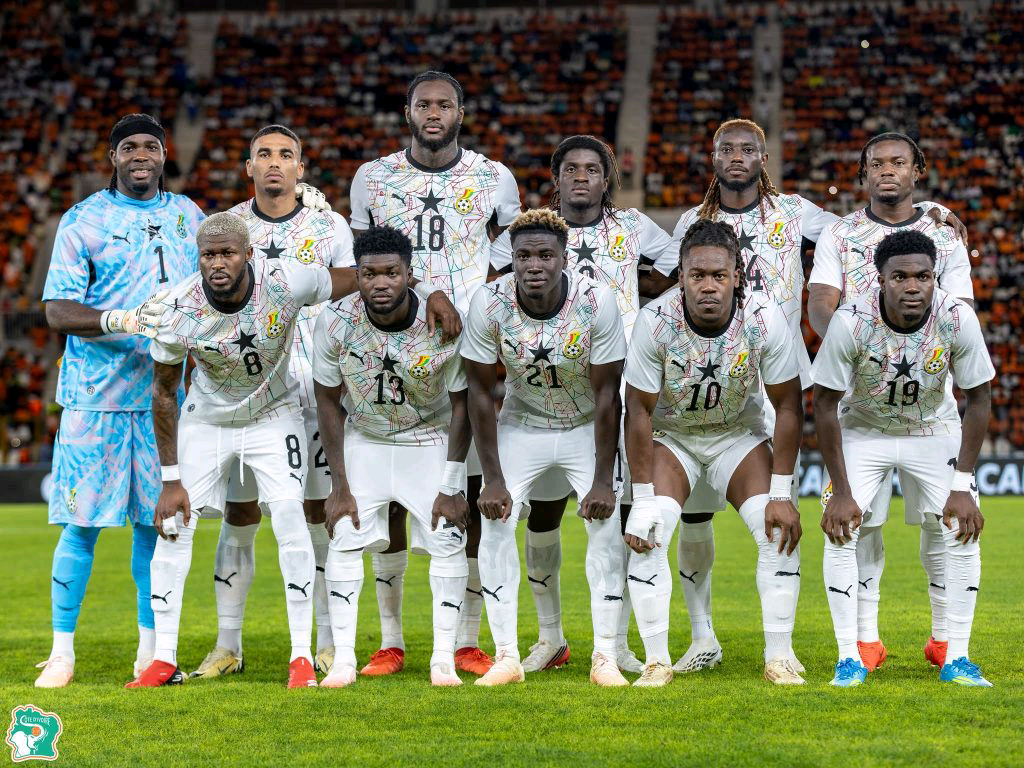
The discussion has become more urgent following Ghana’s 2-0 defeat to Côte d’Ivoire in Bouaké and the subsequent 4-2 loss to The Gambia at the Accra Sports Stadium, results that left the Black Stars without a point after their opening two qualifying matches and increased pressure on the football authorities to explain the team’s decline.
The defeat to The Gambia was particularly painful because Ghana had taken a two-goal lead but eventually surrendered its advantage, raising concerns about tactical organisation, defensive concentration, game management, player mentality and the team’s ability to respond when opponents apply pressure.
For a country with a rich football history, including four Africa Cup of Nations titles and several appearances at the FIFA World Cup, such performances have intensified questions about whether Ghana is making sufficient use of its footballing resources, experienced players, technical personnel and administrative structures.
The disappointment is not limited to the national team’s recent results, because concerns about the wider football system have continued to surface, including the quality of domestic competitions, the financial difficulties of clubs, inadequate development pathways for young players, inconsistent infrastructure and the need for stronger accountability across the sport.
The Ghana Football Association, which is responsible for organising and regulating football in the country, has consequently found itself under pressure from supporters and other stakeholders who want clear explanations for the Black Stars’ struggles and measurable evidence that the association’s long-term development plans are producing results.
However, calls for government intervention must be considered alongside the legal framework governing the GFA and Ghana’s membership of international football organisations, because the government’s authority over a national sporting association is not unlimited.
The GFA operates as a legally registered organisation with its own statutes, membership structure, executive leadership and decision-making processes, while its participation in international football is governed by the rules of the Fédération Internationale de Football Association and the Confederation of African Football.
FIFA generally requires its member associations to manage their affairs independently and without improper interference from governments or other external parties, meaning that an attempt by state authorities to take direct control of the GFA or dissolve its leadership outside the recognised procedures could trigger a dispute with international football authorities.
The potential consequences of such a dispute are significant because FIFA has the power to suspend a member association when its statutes and independence requirements are breached, and a suspension could affect Ghana’s national teams, clubs, officials and participation in international competitions.
This concern is not merely theoretical, as Ghana experienced a major confrontation with FIFA in 2018 following the government’s attempt to begin the liquidation process against the GFA after revelations from the Number 12 investigative documentary exposed alleged misconduct involving football officials.
The documentary triggered widespread public anger and renewed demands for reforms in football administration, while the government pursued legal action that could have led to the winding up of the association.
FIFA warned at the time that the liquidation process constituted undue interference in the affairs of the GFA and indicated that the association could be suspended if the petition was not withdrawn.
The government subsequently discontinued the liquidation process following discussions with FIFA, and a Normalisation Committee was appointed to manage the association’s affairs, review its statutes and organise elections under revised rules.
That episode remains an important lesson for anyone proposing that the government should simply dissolve the GFA whenever football administration comes under public criticism, because such a move could create further problems rather than automatically resolve the existing ones.
The legal position does not mean that the GFA is beyond scrutiny or that its leaders should be protected from accountability whenever the national team performs poorly, because independence from government interference is not the same as freedom from legal obligations, public scrutiny or internal democratic control.
The GFA’s own statutes provide procedures through which members can participate in decision-making, propose reforms, elect leaders and address matters affecting the association, while the association’s Congress serves as its highest decision-making body.
The statutes also provide for the dissolution of the association through a prescribed process involving Congress, rather than allowing an external authority to abolish it unilaterally without regard for the association’s legal and international obligations.
If government cannot dissolve the GFA directly, one possible route for addressing leadership concerns is through the association’s own democratic structures, where eligible members can raise motions, demand explanations, propose reforms and pursue leadership changes in accordance with the applicable statutes and election regulations.
Such a process would require more than public anger or calls for immediate resignation, because the members and stakeholders involved would need to follow the required procedures and demonstrate that the proposed changes are supported by the necessary constitutional and statutory provisions.
Another option is to strengthen independent reviews of the association’s governance, finances, technical policies and development programmes, allowing qualified professionals to examine whether resources are being used effectively and whether the GFA’s stated objectives are being achieved.
Any such review should examine how decisions are made, how funds are managed, how contracts are awarded, how national teams are prepared and how the association measures progress in youth development, coaching education, women’s football, refereeing and domestic competitions.
Financial transparency is particularly important because football requires substantial expenditure on national team assignments, technical staff, competitions, administration, facilities and development programmes, and stakeholders need confidence that the money available is being managed responsibly.
Where public funds are involved, the relevant state institutions have a responsibility to ensure that expenditure is properly accounted for, while any credible evidence of criminal conduct should be referred to the appropriate investigative and prosecutorial authorities in accordance with Ghanaian law.
Such investigations must be based on evidence and established procedures rather than assumptions that every poor result or administrative disagreement is proof of corruption, because accountability is most effective when it is fair, independent and capable of standing up to legal scrutiny.
The Black Stars’ repeated coaching changes have also raised questions about whether Ghana has maintained a consistent technical direction, as successive appointments and departures can disrupt tactical continuity, squad development, player relationships and the implementation of a long-term football philosophy.
A national team cannot build stability if every disappointing run automatically leads to a complete change of technical leadership without a serious assessment of the circumstances behind the results, the quality of preparation, the availability of players and the objectives established before the coach was appointed.
At the same time, coaches must be held accountable for their decisions, including team selection, tactical preparation, substitutions, defensive organisation, fitness management and the ability to adapt when a match does not follow the expected pattern.
Players also have responsibilities, because national team football requires discipline, commitment, concentration, teamwork and the ability to perform under pressure, and the football authorities cannot attribute every disappointing outcome solely to the coach or the administrative leadership.
The defeat to The Gambia, after Ghana had established a two-goal advantage, demonstrated the importance of maintaining concentration throughout a match, protecting a lead, managing difficult periods and responding effectively when an opponent changes its approach.
However, the result should also prompt a wider technical examination of the team’s preparation, defensive structure, midfield balance, communication between players and the decisions made during the game, rather than allowing the discussion to end with blame directed at one individual.
The domestic game also requires serious attention because the Ghana Premier League and lower divisions provide the competitive environment from which future national team players, coaches and other football professionals are expected to emerge.
Concerns about club finances, sponsorship, facilities, player welfare, matchday attendance and commercial development have long formed part of discussions about the local game, and addressing these issues requires sustained cooperation between the GFA, clubs, sponsors, government and other stakeholders.
Clubs need stronger financial planning, better youth development structures, reliable training facilities and sustainable commercial arrangements if they are to retain talented players, improve the quality of competition and create an environment in which footballers can develop before moving abroad.
Grassroots football also deserves greater attention, because the long-term strength of the national team depends on identifying and developing talented children, providing them with qualified coaches, improving access to competitions and ensuring that opportunities are not restricted to those who can afford expensive training arrangements.
Coaching education, referee development, sports science, scouting, medical support and performance analysis should be treated as essential components of football development rather than secondary activities that receive attention only when the national team encounters a crisis.
Women’s football and the development of other national teams must also remain part of the national conversation, because a football system cannot measure its overall progress solely through the performances of the senior men’s national team while ignoring other competitions and groups of players.
The GFA must also communicate more effectively with supporters, clubs, journalists and other stakeholders, particularly when major decisions are taken or when the national teams experience disappointing results, because a lack of clear explanations can deepen mistrust and encourage speculation.
Public confidence cannot be restored through statements alone, and the association will need to demonstrate progress through transparent decision-making, consistent policies, improved competitions, credible development programmes and clear explanations of how football resources are being used.
Government, for its part, can contribute through lawful oversight of public expenditure, support for sports infrastructure, policies that encourage private investment, cooperation with football stakeholders and the enforcement of national laws where credible evidence of wrongdoing emerges.
Parliamentary committees responsible for sports and public accountability can also use their established procedures to seek explanations about public funding and national sporting performance, provided their actions respect the distinction between legitimate oversight and direct interference in the independent administration of football.
The central issue, therefore, is not simply whether the government can dissolve the GFA, but whether the existing legal and administrative structures are being used effectively to address the concerns affecting the sport and whether those entrusted with leadership are prepared to accept meaningful accountability.
Ghana’s football problems cannot be solved by changing one coach, removing one official or dissolving an association without a clear plan for what follows, because lasting improvement requires coordinated reforms involving leadership, technical development, club management, grassroots football, financial accountability and the welfare of players.
The country has the football history, supporter base and talent pool to pursue a stronger future, but progress will depend on decisions that are guided by evidence, measurable objectives and the willingness of all stakeholders to confront weaknesses rather than repeatedly responding to crises after disappointing results.
If government cannot lawfully dissolve the GFA on its own, the available alternatives include using the association’s constitutional procedures, demanding transparent governance, strengthening independent reviews, investigating credible allegations through the appropriate legal institutions and ensuring that the people responsible for football administration are answerable for their decisions.
The ultimate objective should be to build a football system in which leadership is accountable, clubs are financially sustainable, young players receive proper development, national teams are well prepared and supporters can judge progress through results and meaningful improvements rather than promises alone.