

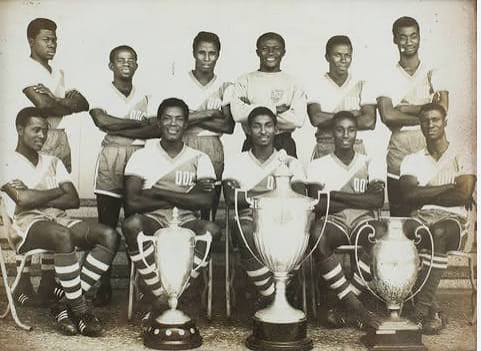
On the 19th of March 1982, the Ghana Black Stars, in a dazzling display of skill, resilience, and unyielding determination, clinched their fourth African Cup of Nations title in Tripoli, Libya, in a final that has since been etched in the annals of African football history as one of the most dramatic and unforgettable matches ever played on the continent.
The Black Stars entered the final against the host nation, Libya, carrying not only the weight of national expectation but also the pride of a country that had, over previous tournaments, consistently demonstrated its dominance and technical superiority in African football, making this encounter more than just a match, but a battle for continental supremacy and national pride.
From the first whistle, the match exhibited high intensity, tactical discipline, and attacking intent, with Ghanaian forwards and midfielders displaying exquisite ball control, quick transitions, and a deep understanding of spatial play that left spectators in awe and the Libyan defence scrambling to contain the relentless onslaught of the Black Stars’ dynamic and fluid attacking maneuvers.
In the 35th minute, George Alhassan, the celebrated Ghanaian forward whose pace, vision, and finishing ability had long been the envy of African strikers, broke the deadlock with a composed and clinical finish, sending waves of jubilation through the Ghanaian supporters present in Tripoli and signaling the commencement of a battle that would stretch the nerves of every player and fan involved.
Libya, fueled by the home crowd and an unwavering determination to avoid defeat on their own soil, fought back fiercely, creating multiple scoring opportunities and testing Ghana’s defensive organization with relentless attacks, demonstrating that the match would not be decided easily and that the African Cup of Nations often rewards both skill and mental fortitude.
In the 70th minute, Ali Al‑Beshari of Libya struck a decisive equalizer, bringing the match to a 1–1 deadlock and forcing the game into extra time, an extension of 30 more minutes that tested the stamina, concentration, and tactical acumen of both sides, as every pass, tackle, and shot could tip the balance of a contest that had already enthralled spectators across Africa.
During extra time, both teams displayed exceptional resilience, with Ghana defending with discipline and composure while probing for an opening, and Libya equally determined to seize the initiative, but neither side could find the elusive breakthrough, ensuring that the championship would ultimately hinge on the nerve-wracking lottery of a penalty shootout, a test of psychological strength as much as technical ability.
The penalty shootout saw Ghanaian players, guided by years of preparation and experience, hold their nerve under intense pressure, converting seven spot-kicks with precision and confidence, while goalkeeper Michael Owusu Mensah rose to heroic stature by producing critical saves that would ensure Ghana’s ultimate triumph, sealing a 7–6 victory and cementing his name in the history of Ghanaian football forever.
This victory not only gave Ghana their fourth AFCON title but also made them the most successful African nation of that era, a remarkable achievement that reflected the country’s deep footballing culture, talent development, and organizational discipline, and instilled a sense of unity, pride, and identity that resonated across every corner of the nation.
For the people of Ghana, the streets erupted in celebration, with fans pouring into city squares, singing, dancing, and waving national flags, a euphoric expression of collective joy that transcended social and economic divides, reminding the world that football in Ghana is more than a sport—it is a unifying national phenomenon.
The players of the 1982 Black Stars, including George Alhassan, Michael Owusu Mensah, and their teammates, became national icons, celebrated for their courage, dedication, and ability to perform at the highest level under pressure, their names spoken with reverence by fans and aspiring footballers alike.
This era of Ghanaian football represented a golden age, marked by meticulous preparation, disciplined coaching, investment in youth talent, and a national league that nurtured players capable of shining on both the continental and global stage, creating a legacy that would inspire generations of footballers to come.
Yet, the brilliance of that period casts a long shadow over the present, as Ghanaian football today grapples with administrative mismanagement, corruption, underfunding, and infrastructural decay, challenges that have undermined the country’s ability to sustain its previous dominance and develop a new generation of footballing heroes.
The Ghana Premier League, once a fertile ground for identifying and nurturing talent, now faces issues such as irregular competitions, poor remuneration for players, lack of proper training facilities, and limited media coverage, all of which have contributed to the migration of top talent abroad at increasingly younger ages.
Despite Ghana’s continued production of world-class players who excel in Europe, Asia, and other international leagues, the domestic system struggles to retain talent and fails to provide a comprehensive development pathway, leaving clubs dependent on foreign scouting networks to replace homegrown stars.
The national team, while still competitive, has experienced inconsistency in recent tournaments, often exiting major competitions earlier than expected due to internal disputes, coaching instability, and lack of preparation, starkly contrasting the composed and disciplined teams of the early 1980s.
Fan expectations, nurtured by the golden era of triumphs, remain high, but frustration has grown as administrative missteps and political interference have frequently overshadowed player performance, eroding trust in football governance and dampening the once unshakable pride in the Black Stars.
Instances of corruption, mismanagement of funds, and controversies in player selection have further hampered the sport, creating divisions within teams and undermining the confidence of young players in the domestic system, which struggles to replicate the organizational rigor that brought the 1982 team to glory.
Infrastructure, a critical element of sustainable football development, remains inadequate, with training grounds, stadiums, and youth academies falling below international standards, limiting player growth and reducing opportunities for competitive match experience at home.
Moreover, the commercialization of football has lagged, with sponsorship deals, marketing strategies, and revenue generation failing to match the potential of Ghana’s football market, leaving clubs under-resourced and reliant on inconsistent government or private support.
Despite these challenges, the spirit of Ghanaian football persists, with fans remaining passionate and players continuing to showcase talent on the global stage, proving that while structures may falter, the raw skill, creativity, and footballing intelligence of Ghanaian athletes remain undiminished.
The contrast between the glory of the 1982 AFCON triumph and the current struggles highlights both the enduring potential and pressing need for reform within Ghanaian football, emphasizing that lessons from the past must inform the rebuilding of a sustainable, competitive, and respected football culture.
Grassroots football remains a critical area of focus, as nurturing young talent, improving coaching standards, and ensuring access to quality facilities are essential to restoring Ghana’s status as a continental powerhouse and rekindling national pride.
The story of Ghanaian football is therefore one of brilliance tempered by neglect, of extraordinary talent constrained by structural inefficiencies, and of a nation longing to recapture the unity, triumph, and inspiration that moments like the 1982 AFCON victory once provided.
Reflecting on 19th March 1982 reminds every Ghanaian that with proper planning, investment, and dedication, the Black Stars can once again rise to their historic heights, offering hope that the next generation may restore the country’s rightful place atop African football.
Even in the face of contemporary challenges, the legacy of the 1982 victory serves as a beacon of possibility, demonstrating that Ghana’s footballing soul remains alive, vibrant, and capable of producing heroes, champions, and unforgettable moments for generations yet to come.
As Ghanaian football navigates this delicate balance between glorious past and challenging present, the nation waits with bated breath for a revival that honors the triumphs of legends while securing a sustainable, competitive, and globally respected future.