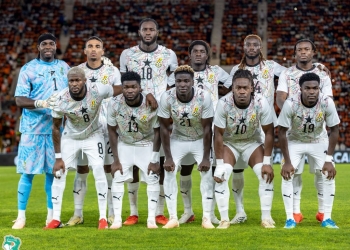


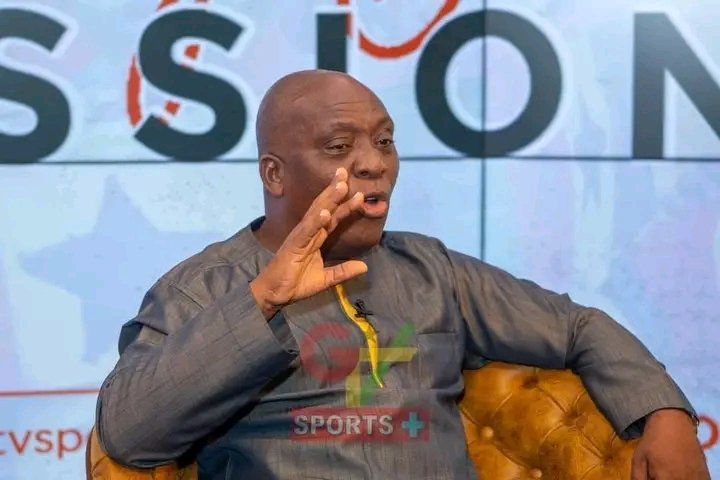
A storm is brewing once again in Ghana football—and this time, it is being driven by one of the game’s experienced administrators, , whose latest remarks have reignited a long-standing and uncomfortable conversation.
“Victimization is Real”—A Bold Claim
The former chairman did not mince words. According to Fianoo, victimization within Ghana’s football structure is not a myth—it is a reality.
His comments cut straight to the core of a system that has often been accused, quietly and publicly, of inconsistency, bias, and selective enforcement. But unlike many who speak in coded language, Fianoo chose clarity.
“Victimization is palpably real in Ghana football.”
That choice of words—palpably—is deliberate. It suggests something that is not just alleged, but felt, experienced, and visible to those within the system.
The AshGold Experience
Drawing from his time as CEO of , Fianoo provided a revealing anecdote that paints a troubling picture of internal dynamics within the .
According to him, a board member of the club once reached out to the FA to question what they perceived as unfair treatment in the . The response they allegedly received was as blunt as it was concerning:
“Fianoo is giving us so much problems.”
If accurate, the implication is serious. It suggests that administrative disagreements—or perceived “troublemaking”—could influence how a club is treated within the broader football ecosystem.
Power, Silence, and Fear
Perhaps even more revealing was Fianoo’s reflection on what happened next.
“At the crunch point, they all chickened out.”
This statement points to a deeper issue—not just alleged victimization, but a culture of silence. It hints at an environment where stakeholders may be aware of irregularities but are unwilling or unable to confront them when it matters most.
In governance terms, this reflects a breakdown in collective accountability. When institutions rely on individuals to speak up, but those individuals retreat under pressure, systemic issues remain unresolved.
A Recurring Narrative in Ghana Football
Fianoo’s claims do not exist in isolation. Over the years, murmurs of bias, selective officiating, and administrative favoritism have surfaced across different levels of Ghanaian football.
What makes this instance different is the source. As a former GHALCA chairman and club CEO, Fianoo is not an outsider—he is someone who has operated within the corridors of power.
His perspective therefore carries weight, not just as opinion, but as insider testimony.
The Broader Implications
If such allegations hold any truth, the consequences are far-reaching:
- Competitive integrity is compromised
- Clubs lose trust in governing bodies
- Players and coaches operate in uncertain environments
- Fan confidence in the league diminishes
For a league striving to regain credibility and attract investment, these are not minor concerns—they are existential threats.
A Call for Transparency
Fianoo’s remarks, whether contested or supported, ultimately underline one critical need: transparency.
Modern football governance demands:
- Clear disciplinary processes
- Consistent officiating standards
- Accountability at administrative levels
- Protection for whistleblowers
Without these, allegations of victimization—real or perceived—will continue to shadow the game.
Final Thought
Ghana football has never lacked passion, talent, or history. What it continues to wrestle with is trust.
Cudjoe Fianoo’s comments have once again brought that issue to the surface. The question now is not just whether victimization exists—but whether the system is willing to confront the possibility openly.