

There are stories in football that feel like straight lines—rise, fall, redemption. And then there are others that twist, double back, and leave you wondering whether what you’re seeing is truly new or simply a familiar face wearing a different mask. Ghana football has just witnessed one of the latter.
A club name that once echoed through the Ghana Premier League with pride and consistency has resurfaced. To the casual observer, it looks like a classic comeback story: a once-prominent side returning to reclaim its place among the elite. But beneath that surface lies a narrative layered with controversy, legal battles, administrative decisions, and a re-emergence that raises more questions than it answers.
A few years ago, this club’s journey took a dramatic and painful turn. What should have been another chapter in its competitive history instead became a defining moment for all the wrong reasons. Allegations of misconduct rocked its foundation, leading to severe disciplinary action. The consequences were not mild. The club was stripped of its place in top-flight football and pushed down into the lower divisions—a fall so steep it felt less like relegation and more like exile.
The sanctions extended beyond the team itself. Individuals in leadership positions faced bans, shaking the very structure that had guided the club for years. Players found themselves caught in the storm, seeking justice through formal appeals, while administrators pursued their own legal strategies. Courtrooms became as relevant as football pitches, and the game itself took a backseat to legal arguments and institutional decisions.
Despite efforts to reverse or soften the punishment, the outcome remained firm. Attempts to halt league activities through legal injunctions failed to produce the desired effect. Appeals were made, reconsidered, and eventually abandoned. Through it all, the governing body maintained its stance, emphasizing the need to uphold integrity within the sport.
The situation escalated further when it became clear that the club continued to operate in ways that conflicted with imposed restrictions. This defiance did not go unnoticed. Authorities responded decisively, first with suspension and later with a more final and irreversible step—removal from official football structures. At that point, it seemed the chapter had closed permanently. The club, as it was known, had effectively ceased to exist within the formal framework of Ghanaian football.
But football, like life, rarely follows neat endings.
Time passed. The noise quieted. Attention shifted elsewhere. And then, quietly at first, a new development began to take shape. A lower-division team changed hands, attracting ownership that carried familiar undertones. Soon after, a request emerged—simple on the surface, yet deeply symbolic. A new name was proposed, one that carried history, identity, and emotional weight.
From a regulatory standpoint, there was little standing in the way. The previous entity no longer held official recognition, leaving the name available for use. After internal checks and processes, approval was granted. Just like that, a name many thought had been buried returned to active competition.
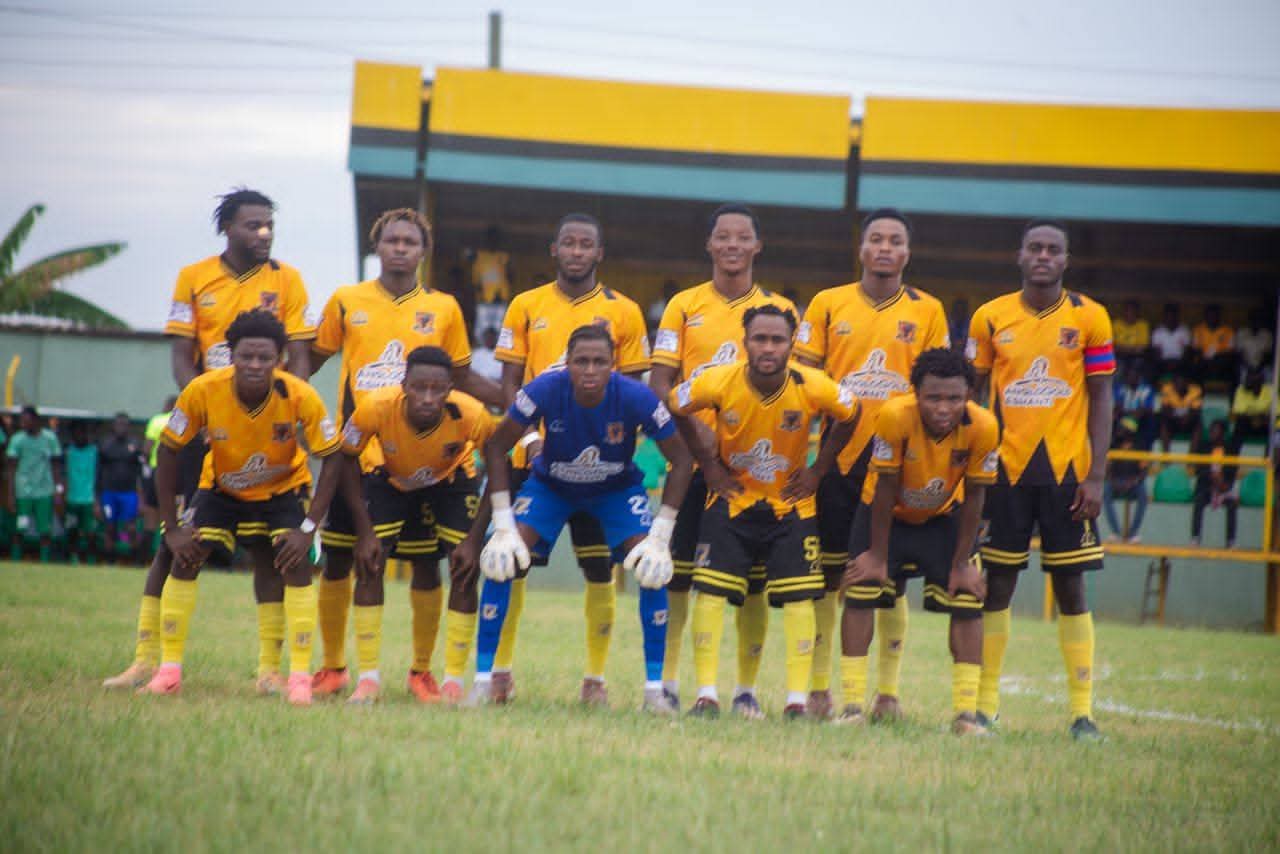
What followed only added to the intrigue. The newly named side adopted colors, symbols, and a home ground that mirrored the past. To anyone watching, it looked like continuity. But on paper, it was something entirely different—a new entity, unrelated in official terms to what came before.
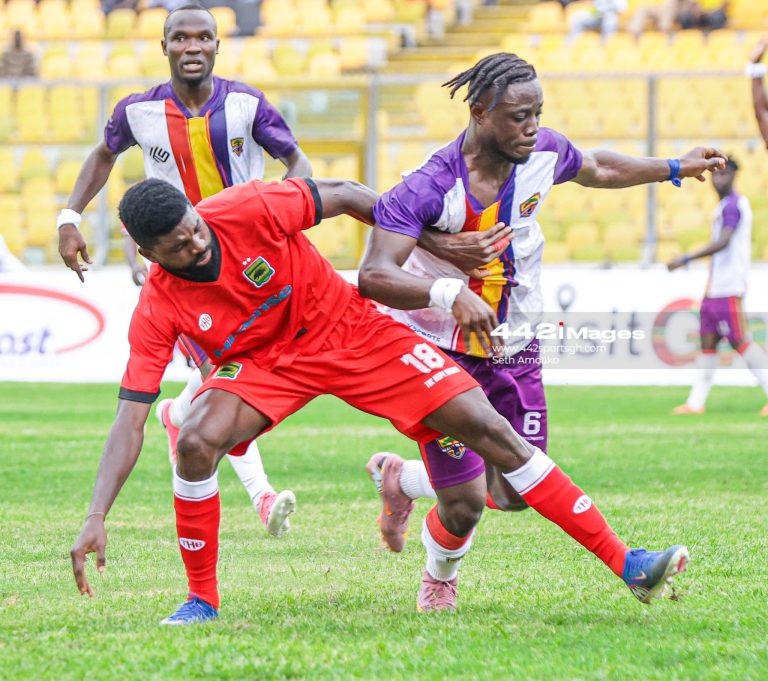
On the pitch, progress was swift and decisive. The team showed ambition, organization, and intent. Strategic decisions were made, including the appointment of experienced technical leadership at a crucial point in the season. The results spoke for themselves. Performances improved, consistency followed, and before long, promotion was secured.
And just like that, the name was back where many remembered it—competing at the highest level of Ghanaian football.
This is where the story becomes particularly fascinating.
Without context, it reads like a tale of resilience. A fallen club, rebuilding from the ground up, overcoming adversity, and earning its way back through hard work and determination. It fits the narrative template that fans love—a return to glory forged through struggle.
But context changes everything.
When the layers are peeled back, the lines between past and present blur. The similarities are too strong to ignore, yet the official stance remains clear: this is not the same club. It is a new organization, with no formal ties to the one that came before.
And yet, for many observers, that distinction feels more technical than real.
This duality creates a unique tension. On one hand, rules have been followed. Processes have been respected. From a governance perspective, everything aligns with established frameworks. On the other hand, football is not just about legal definitions—it is about identity, memory, and continuity. Fans do not experience clubs as corporate entities; they experience them as living traditions.
So when a familiar name returns, wearing the same colors and playing in the same stadium, it naturally invites comparison. It sparks debate. It challenges perceptions of what it means for a club to truly disappear—and what it means to come back.
Perhaps this is what makes the story so compelling. It sits at the intersection of regulation and emotion, of legality and legacy. It forces us to ask difficult questions about how football history is preserved, rewritten, or, in some cases, quietly reintroduced.
In the end, whether one sees this as a genuine rebirth or a clever reinvention may depend on perspective. What cannot be denied, however, is the impact. The name is back. The team is competing. The conversation is alive.
And in Ghana football, that might be the most fitting outcome of all—a story that refuses to be simple, unfolding in a way that keeps everyone watching, questioning, and talking.