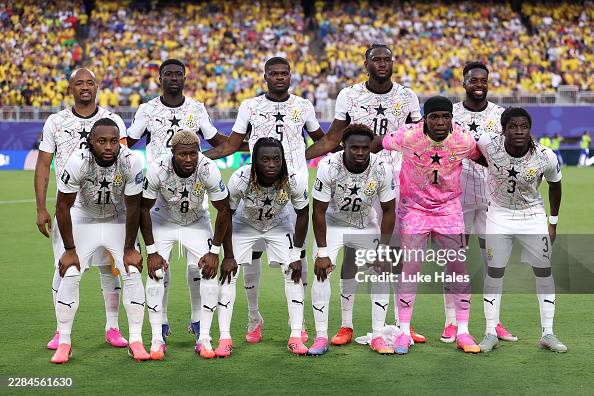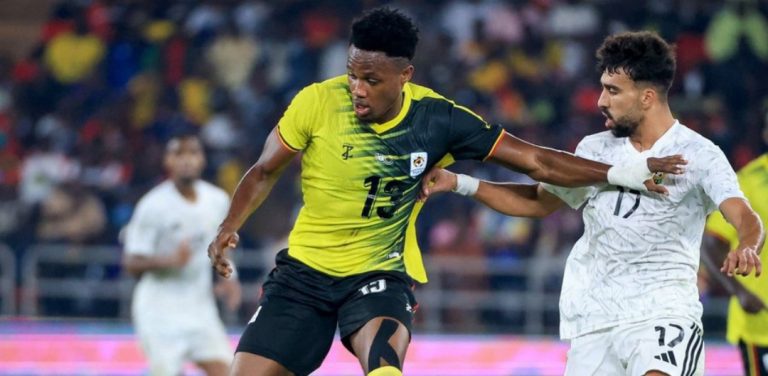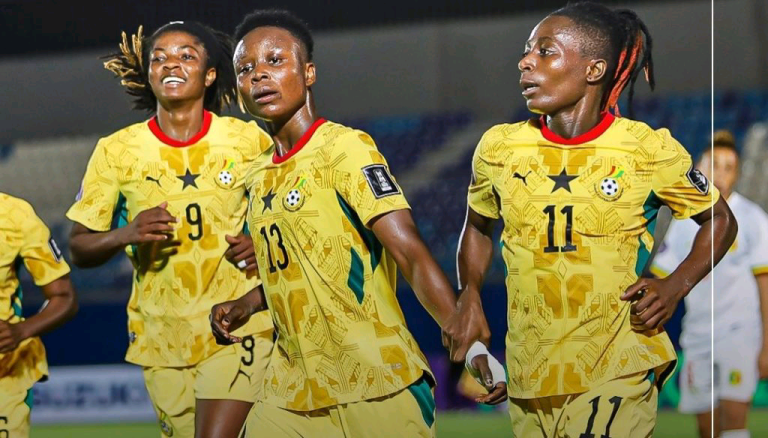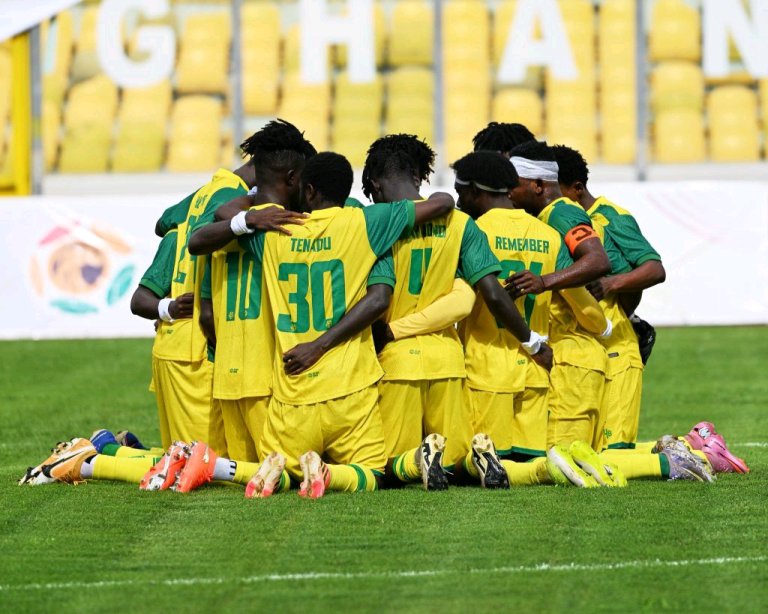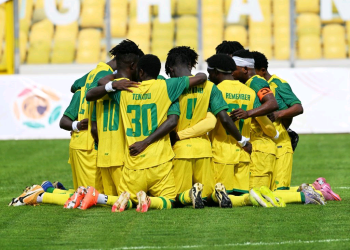


The Ministry of Sports and Recreation and the Ghana Football Association (GFA) have agreed on a broad set of reforms aimed at restructuring the management of the national teams, improving youth development and strengthening the technical direction of Ghanaian football.
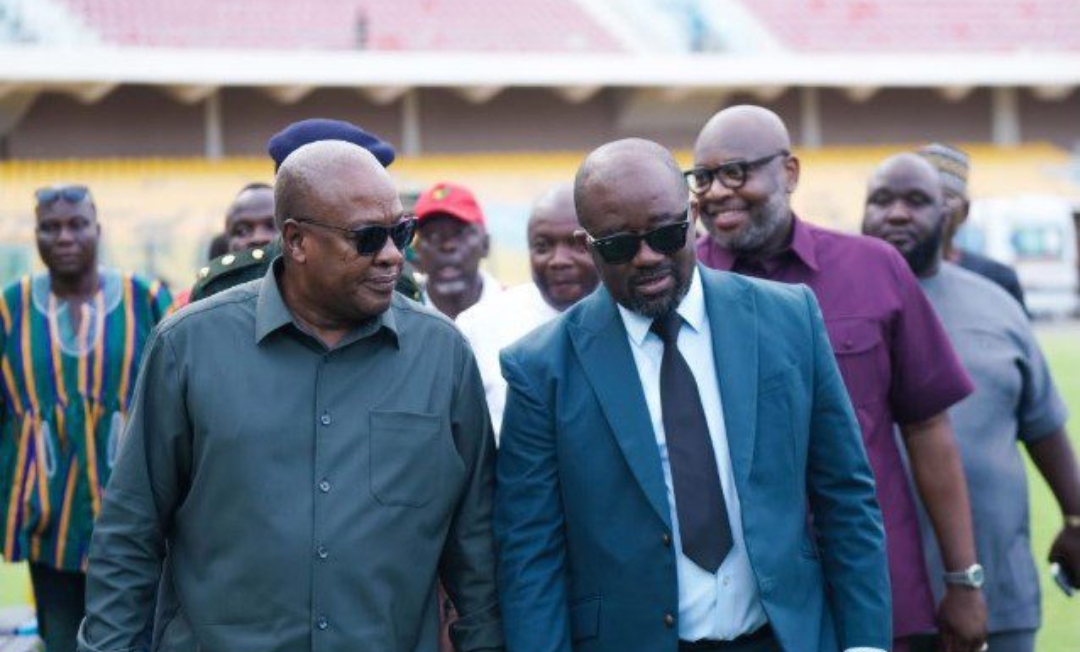
The decisions followed a high-level meeting on Friday, October 2, 2026, between Sports and Recreation Minister Kofi Adams and the GFA leadership, headed by President Kurt Okraku.
The discussions took place against the background of growing public concern over the Black Stars’ disappointing performances in the opening matches of the 2027 Africa Cup of Nations qualifiers.
Ghana suffered a 2-0 defeat to Côte d’Ivoire in Bouaké before losing 4-2 to The Gambia in Accra, despite taking a two-goal lead in the first half. The results left the four-time African champions without a point from their opening two Group C matches.
The poor start was followed by the mutual termination of Carlos Queiroz’s contract, leaving the GFA with the responsibility of finding a new coach while addressing broader concerns about the administration and development of the national teams.
In a statement following the meeting, the Sports Ministry acknowledged public dissatisfaction with the performances of the national teams and stressed the need for improved results, stronger accountability and more effective football structures.
Five-member committee to identify new Black Stars coach
One of the immediate decisions is the formation of a five-member Technical Search Committee to identify potential candidates and recommend a new head coach for the Black Stars.
The committee has been given until Friday, October 9, 2026, to submit its report to the Ministry and the GFA.
The search follows Queiroz’s departure after Ghana’s disappointing opening results in the AFCON qualifying campaign.
Although reports indicate that government representatives are expected to participate in the selection process, the Ministry’s official statement has not disclosed the names of the committee members or provided a complete breakdown of its composition.
The appointment of a new coach is expected to be a major priority as Ghana prepares for its upcoming qualifying matches against Somalia in November.
New technical structure for youth national teams
The government and the GFA have also agreed to appoint a technical head who will coordinate the development pathway for the national under-15, under-17 and under-20 teams.
Each age group will have its own dedicated technical team, while appropriate competition structures will be established to help young players progress through the various levels of national football.
The objective is to create a more organised system that allows talented players to move from youth football into the senior national team through consistent coaching, competitive exposure and technical assessment.
The two institutions have also agreed that the ongoing under-18 and under-19 competitions will be completed before those competitions are suspended to allow for an orderly transition to the proposed development structure.
The new arrangement is expected to improve coordination between youth-team coaches and provide a clearer direction for identifying and nurturing future Black Stars players.
Next Black Stars coach must live in Ghana
Under the proposed reforms, the incoming Black Stars head coach will be required to reside in Ghana and regularly monitor the domestic football league.
The decision is intended to strengthen the connection between the national team and local football by ensuring that the coach has regular opportunities to assess players competing in the Ghana Premier League and other domestic competitions.
The Ministry and the GFA also want to establish a stronger domestic player pool through consistent scouting and monitoring of performances in local leagues.
This approach could expand the number of locally based players considered for national-team selection and provide greater opportunities for footballers who might otherwise receive limited attention.
It also places greater emphasis on the need for the national team coach to understand the domestic football environment rather than relying primarily on players based outside the country.
GFA Technical Directorate to collaborate with schools and academies
Another important aspect of the agreement involves closer cooperation between the GFA Technical Directorate, the National Schools and Grassroots Sports programme, and football academies.
The initiative is expected to improve the relationship between grassroots football, school competitions, academies, domestic leagues and the national teams.
Through this arrangement, the authorities hope to establish a more coordinated system for identifying promising players at an early age and supporting their progression into competitive football.
The proposed collaboration also places greater responsibility on football development institutions to work together rather than operate independently.
Youth development has become an increasingly important subject in discussions about the future of the Black Stars, particularly regarding the need to maintain a steady supply of technically prepared players for the senior national team.
Public Interest Committee to supervise implementation
The Ministry and the GFA have further agreed to establish a Public Interest Committee to coordinate and oversee the implementation of the proposed reforms.
The committee is expected to monitor progress, encourage cooperation between the two institutions and help ensure that the agreed measures are implemented according to the intended roadmap.
Its establishment is part of efforts to strengthen accountability and provide a structure through which progress can be assessed.
The effectiveness of the committee will depend on its mandate, the clarity of its responsibilities and the extent to which its recommendations translate into practical changes across the national teams.
GFA technical hub to relocate to Prampram
The relocation of the GFA’s technical hub to the Ghanaman Soccer Centre of Excellence in Prampram also featured in the discussions.
The facility serves as an important centre for football development activities, including youth competitions, training programmes and talent identification initiatives.
The GFA recently hosted the KGL Foundation Inter-Regional Under-17 Colts Championship at the centre, highlighting its role in youth football development.
However, the Ministry has not announced a specific date for the relocation or provided details about how the technical hub will operate at the Prampram facility.
Further information is expected to clarify the implementation arrangements and the resources required to support the move.
Reduction in national-team management committee membership
The Ministry and the GFA have also proposed reducing the membership of each national-team management committee from five people to three.
Further discussions will determine the final arrangements, with the stated objective of establishing clearer responsibilities, improving administrative efficiency and exercising greater control over expenditure.
The proposal forms part of a wider attempt to streamline the management of the national teams and eliminate unnecessary duplication in administrative duties.
The success of the measure will depend on whether the smaller committees can maintain effective oversight, respond quickly to the needs of the teams and ensure that logistical and administrative responsibilities are properly handled.
FIFA-standard cooperation agreement
The two institutions have also agreed to work towards signing a cooperation agreement that meets FIFA standards.
The agreement is expected to define the respective responsibilities of the Sports Ministry and the GFA while establishing a framework for collaboration on matters affecting the national teams.
The issue of government involvement in football administration has been a subject of public discussion, particularly regarding the distinction between the Ministry’s responsibilities and the GFA’s role as the governing body of the sport in Ghana.
The Ministry has previously indicated that it does not intend to dissolve the GFA, while Kofi Adams has explained that the association is a legally registered entity.
A formal cooperation agreement could provide a clearer basis for joint action on national-team management, technical development and other areas requiring coordination between government and football authorities.
Reforms extend beyond the immediate Black Stars crisis
The measures announced after Friday’s meeting go beyond the search for a replacement for Queiroz. They cover youth development, domestic scouting, coaching appointments, grassroots football, technical administration, management committee structures and cooperation between the government and the GFA.
The Ministry has indicated that discussions with the GFA and other stakeholders will continue as work begins on implementing the agreed measures.
Public concerns about the national teams, according to the Ministry, remain an important consideration in the process, with the institutions expected to demonstrate progress through practical action.
For the Black Stars, the immediate priority remains the appointment of a new head coach and preparations for the next AFCON qualifying fixtures.
However, the longer-term impact of the reforms will depend on how effectively the new structures are implemented, whether the various committees operate with clearly defined responsibilities and whether the proposed development pathway produces players capable of competing at the highest level.
Ghana’s football authorities now face the task of translating the decisions into measurable improvements in coaching, player development, administration and performances on the pitch.