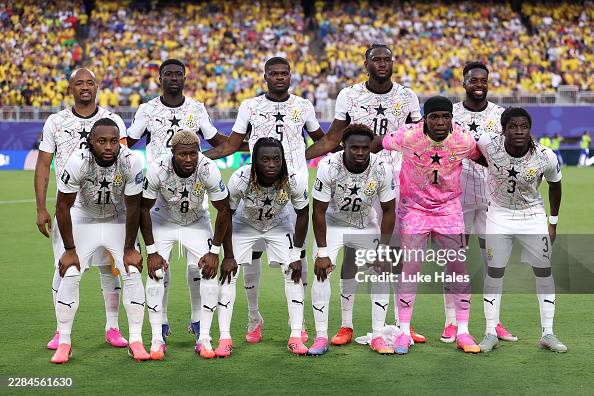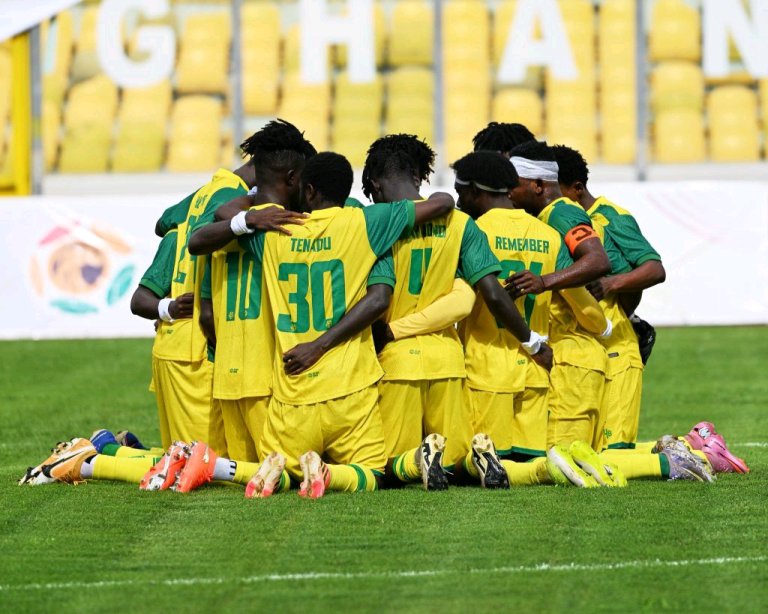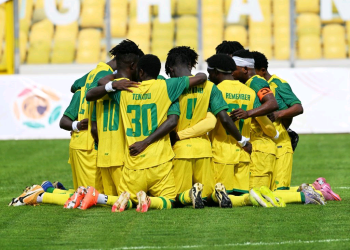


The Ministry of Sports and Recreation and the Ghana Football Association (GFA) have agreed to introduce a coordinated technical system for Ghana’s under-15, under-17 and under-20 national teams as part of efforts to strengthen youth football development.
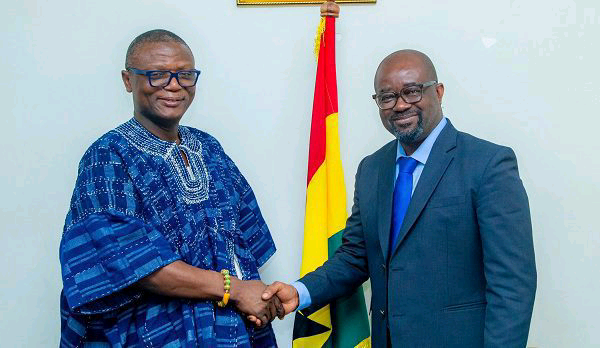
The decision was reached during discussions between Sports and Recreation Minister Kofi Adams and the GFA leadership, led by President Kurt Okraku, on Friday, October 2, 2026.
Under the proposed arrangement, a technical head will be appointed to oversee and coordinate the development pathway across the three youth national teams.
Each age group will retain its own dedicated technical team, but the newly appointed technical head will be responsible for ensuring that the teams work within a common development framework.
The arrangement is intended to improve coordination in coaching, talent identification and player progression, allowing young footballers to advance through the national-team system with greater continuity.
The Ministry and the GFA have also agreed to establish appropriate competition structures to give the youth teams sufficient competitive opportunities and support their long-term development.
The initiative comes amid ongoing discussions about how Ghana can improve the transition of promising young players from youth football into the senior national team, the Black Stars.
A more connected system could help technical officials monitor players’ progress across different age groups, identify areas requiring improvement and maintain a consistent approach to player development.
The proposed structure is also expected to strengthen the relationship between youth-team coaching and the broader technical direction of Ghanaian football.
However, the Ministry and the GFA have not yet announced the identity of the individual who will occupy the technical head position. Details regarding the appointment date and the specific responsibilities of the role have also not been disclosed.
The reform is part of a wider set of measures agreed upon by the two institutions to improve national-team management and establish a clearer long-term strategy for Ghanaian football.
The implementation of the new structure will be important in determining how effectively the country develops young talent and prepares emerging players for the demands of senior international football.