

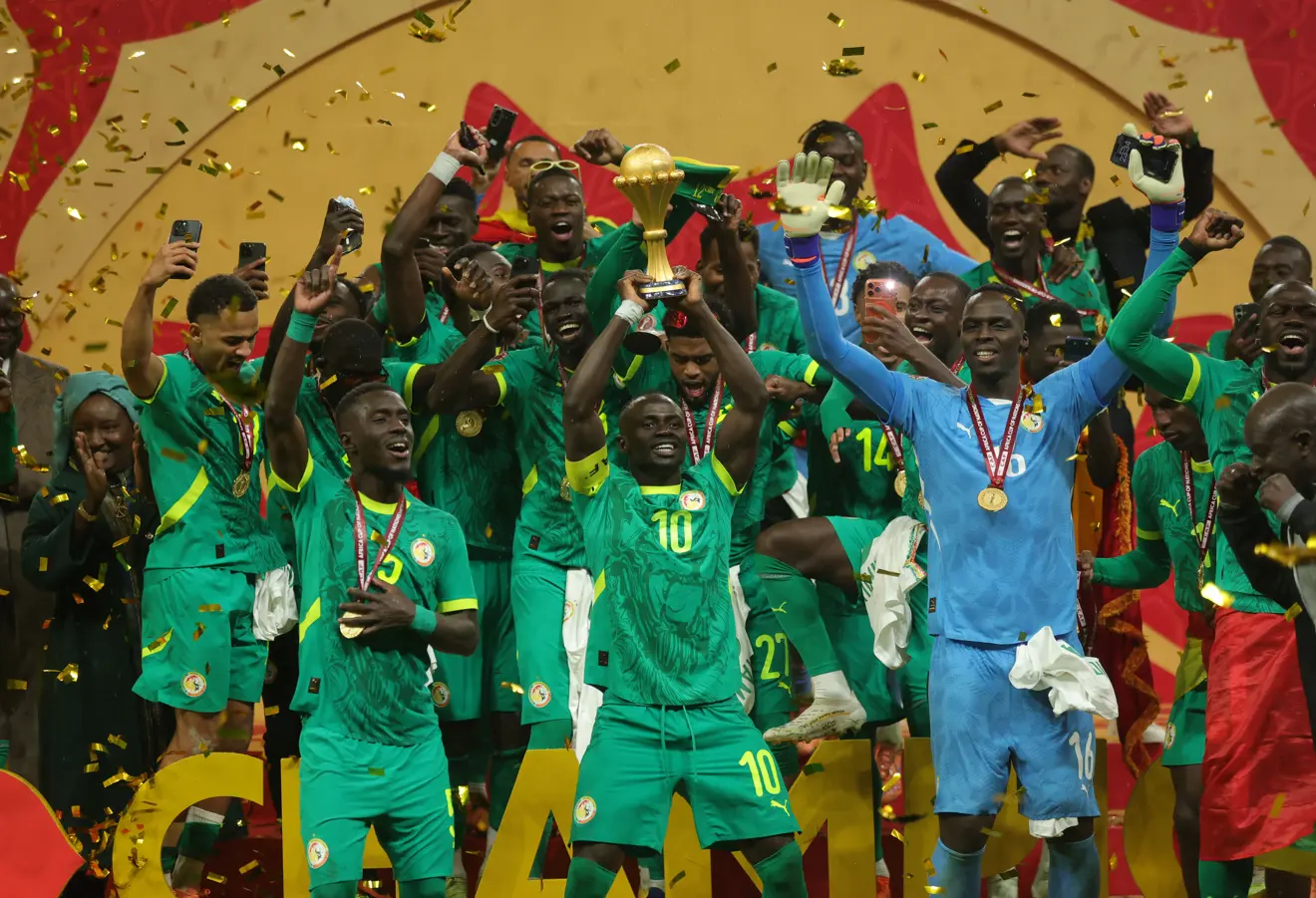
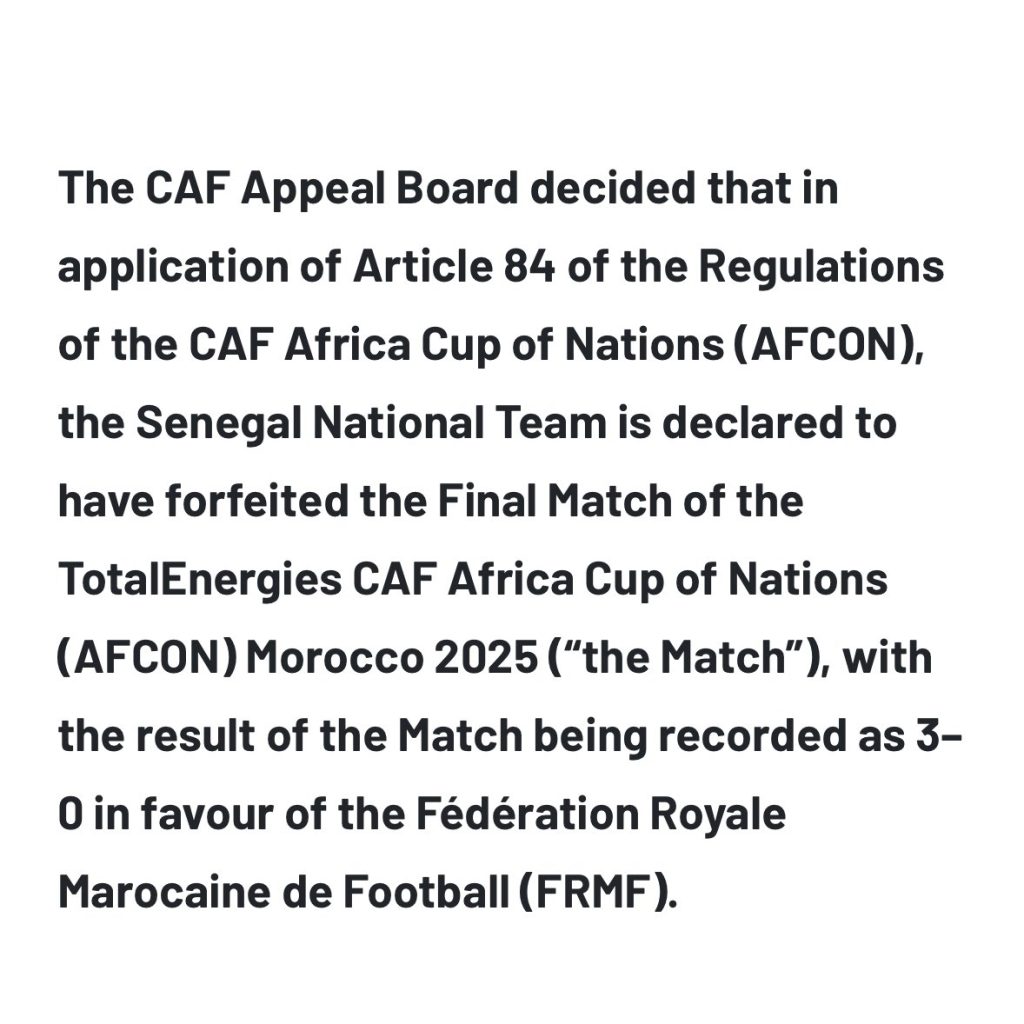
In a dramatic and unprecedented development, the Confederation of African Football (CAF) has officially announced Morocco as the winners of the 2026 Africa Cup of Nations (AFCON), following a controversial overturning of the final match result. The decision comes amid intense scrutiny and debate over the conduct of the game, and it has sent shockwaves throughout the African football community.
According to an official CAF statement released tonight, Senegal has been deemed to have forfeited the final encounter against Morocco. As a result, Morocco has been declared the winners with a 3-0 scoreline, overturning what had originally been a closely contested match on the pitch. The ruling has sparked a mixture of jubilation, confusion, and controversy among fans, analysts, and national football federations.
CAF’s statement emphasized that the decision followed a thorough review of all incidents during the match, including regulatory breaches, procedural anomalies, and what the governing body described as “violations of match protocol.” While the specific details of the infractions leading to Senegal’s forfeiture have not been fully disclosed, sources close to the Confederation suggest that administrative irregularities and non-compliance with official CAF directives were central to the ruling.
For Morocco, the announcement marks a historic triumph on the continental stage. The North African side, renowned for its tactical discipline, skilled roster, and recent investments in youth development, now adds another AFCON trophy to its decorated history. Supporters across the country have taken to the streets in celebration, waving national flags and chanting in honor of the team, while social media platforms have been flooded with messages of congratulations and admiration.
For Senegal, the ruling is a bitter blow. The West African football powerhouse, which had displayed remarkable form throughout the tournament, now faces the unprecedented situation of having a final victory overturned due to administrative decisions rather than on-field performance. Analysts predict that the Senegalese Football Federation will seek further clarification from CAF and may explore formal appeals or legal avenues to contest the decision.
Football commentators and sports journalists have described the situation as one of the most controversial in AFCON history, comparing it to past incidents where administrative rulings have impacted outcomes in major international tournaments. Debate continues over the fairness of the decision, with some arguing that the ruling undermines the spirit of competition, while others defend CAF’s insistence on strict adherence to regulations.
Beyond the immediate reactions, this ruling is likely to have far-reaching implications for African football governance. National federations may now face heightened pressure to ensure compliance with CAF directives, and future tournaments could see stricter monitoring and oversight to prevent similar controversies. Fans, too, are grappling with the emotional rollercoaster of witnessing a final match outcome decided off the pitch, rather than solely by the players’ performance.
As the news continues to reverberate, CAF has promised further clarifications and details regarding the decision. The governing body assured stakeholders that the ruling was made “in the best interests of the integrity and fairness of African football” and pledged to maintain transparency in all follow-up communications.
For Morocco, tonight is one of celebration, pride, and historical achievement, even if it comes in the shadow of controversy. For Senegal, the moment is one of reflection, disappointment, and anticipation of what steps might be taken next. For African football as a whole, it is a reminder of the complex intersection between sport, administration, and governance—an intersection that can, at times, overshadow the drama of the beautiful game.