

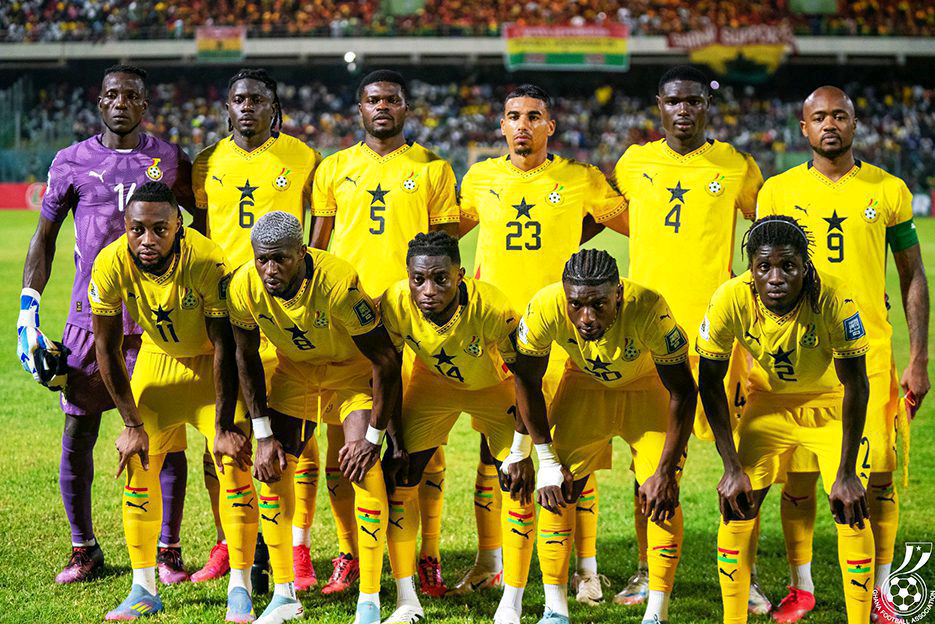
The story of the Ghana national football team is not just about football—it is about identity, pride, and a nation’s heartbeat. For decades, the Black Stars have given Ghanaians unforgettable moments of joy, unity, and global recognition. But in recent times, that joy has faded into frustration, raising a critical question that echoes across the country: can Ghana football return to the top and put smiles back on the faces of its people?
A Nation Built on Football Greatness
Ghana’s football legacy is one of the richest in Africa. The Black Stars dominated the Africa Cup of Nations in their early years, winning four titles and setting a standard that many nations still strive to reach.
These were not just victories—they were statements. Ghana became a symbol of African excellence, producing players whose names still command respect across the football world.
Icons like Abedi Pele dazzled fans with creativity and intelligence, while Tony Yeboah stunned the world with spectacular goals in Europe. These players were not only stars—they were ambassadors of Ghanaian excellence.
The Era That Made the World Take Notice
Then came the golden era—a generation that elevated Ghana to global prominence. With leaders like Stephen Appiah and powerhouse midfielders such as Michael Essien, Ghana announced its arrival on the world stage.
At the 2006 FIFA World Cup, Ghana shocked the world by reaching the Round of 16 in their debut appearance, defeating top teams along the way.
But it was the 2010 FIFA World Cup that truly defined Ghana’s global legacy. The Black Stars came within inches of history—one kick away from becoming the first African team to reach a World Cup semi-final.
Led by Asamoah Gyan, whose goals carried the nation, Ghana captured the hearts of millions across the world. Even in defeat, they earned respect, admiration, and a place in football history.
The Slow Decline
However, football is unforgiving. Success demands constant renewal, and Ghana has struggled to maintain that momentum.
In recent years, the Black Stars have experienced inconsistent performances in major tournaments. Early exits, lack of cohesion, and tactical uncertainty have replaced the confidence and dominance that once defined the team.
The transition from the golden generation to a new era has not been smooth. Leadership gaps, administrative challenges, and questions about player commitment have all contributed to the decline.
For many fans, the passion remains—but the belief has been shaken.
The Talent Is Still There
Despite these challenges, Ghana is not short of talent. From local leagues to European clubs, Ghanaian players continue to showcase skill, speed, and intelligence.
Players like André Ayew and Jordan Ayew have carried the national team through difficult periods, while younger talents are beginning to emerge with hunger and ambition.
The question is not whether Ghana has talent—it is whether that talent can be properly developed, managed, and united into a winning team.
What Must Change?
For Ghana football to rise again, several key areas must be addressed:
Strong Leadership: Football administration must be transparent, consistent, and focused on long-term success rather than short-term gains.
Youth Development: Investment in grassroots football is essential. The next Abedi Pele or Essien must be discovered, nurtured, and guided properly.
Team Identity: The Black Stars once had a clear style—fearless, disciplined, and creative. That identity must be rebuilt.
Player Commitment: Representing Ghana must once again be seen as an honour that demands full dedication and sacrifice.
Fan Connection: The bond between the team and its supporters must be restored. The Black Stars thrive when the nation stands firmly behind them.
Can the Smiles Return?
The pain of recent disappointments has not erased the memories of past glory. Ghanaians still remember the joy, the celebrations, and the pride that came with every victory.
Football in Ghana is more than a sport—it is emotion, culture, and unity.
So, can the Black Stars rise again?
The answer is yes—but only if the right decisions are made today.
History has already proven that Ghana can reach the top. The talent still exists. The passion is still alive. What remains is the will to rebuild, the courage to change, and the determination to dream again.
If these pieces come together, one thing is certain:
The Black Stars will shine again—and when they do, the smiles will return to the faces of millions of Ghanaians.