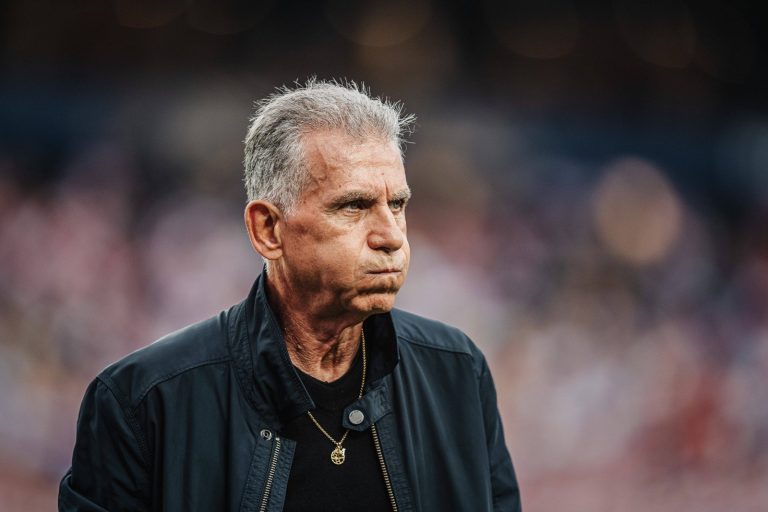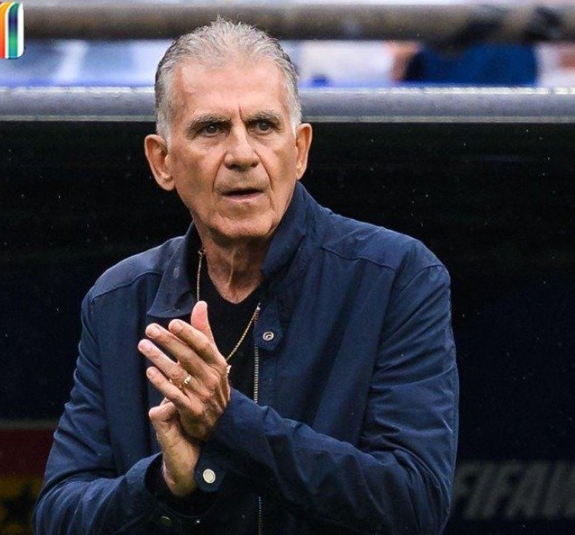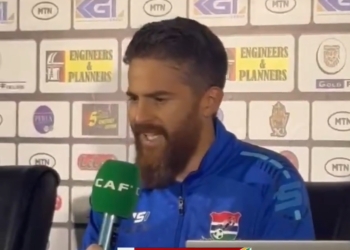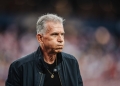

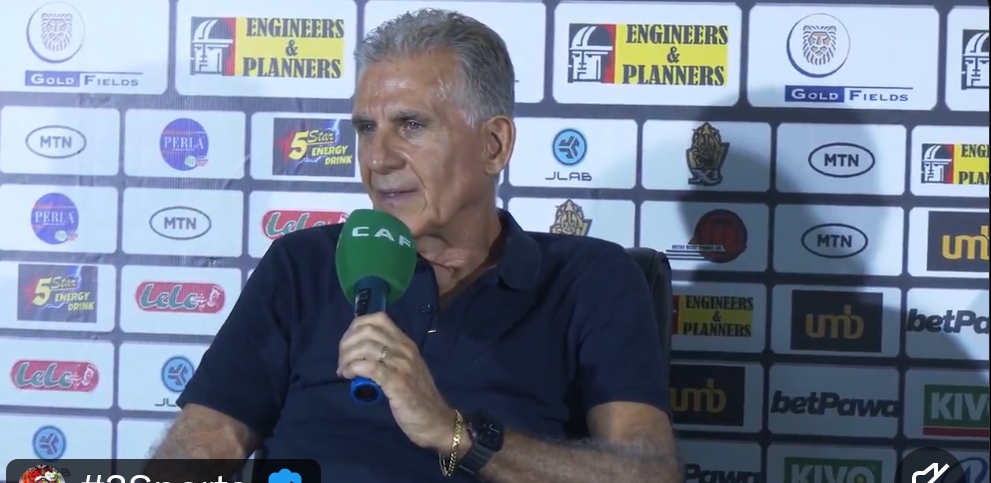
Black Stars head coach Carlos Queiroz has indicated that he would be prepared to step down from his position if his resignation would genuinely help to change the fortunes of Ghana football.
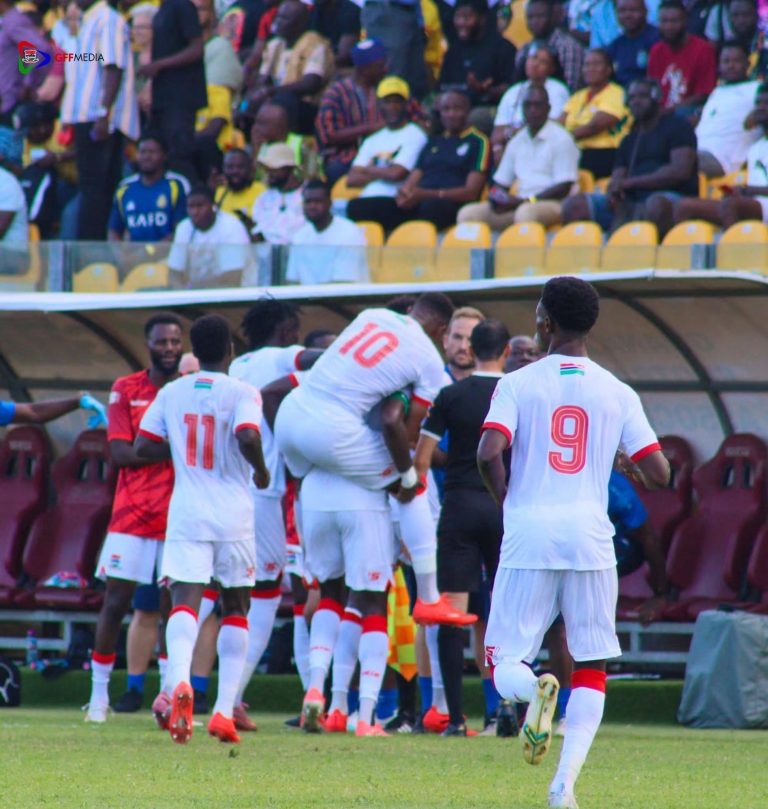
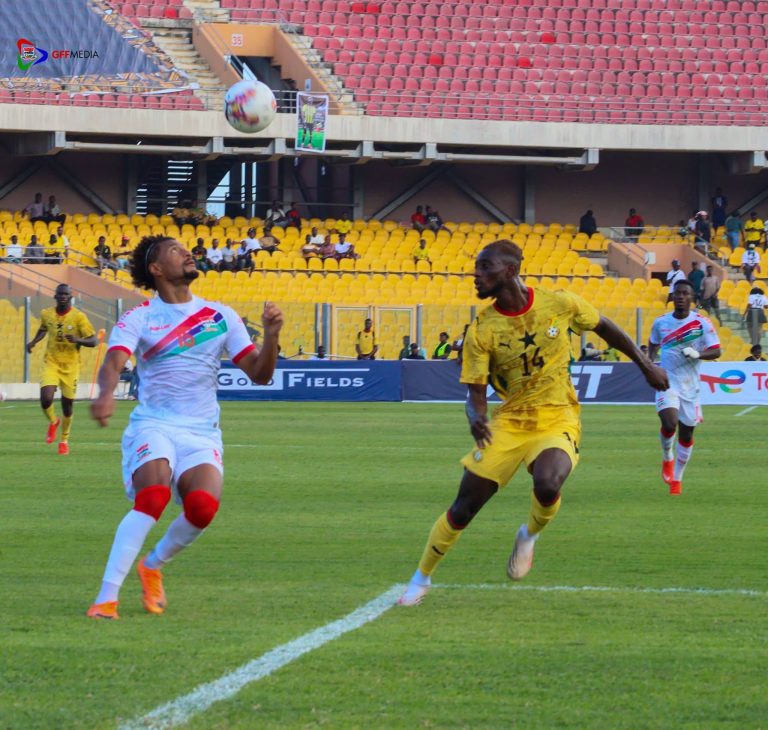
The Portuguese coach made the comments after Ghana suffered a heavy 4-2 defeat to The Gambia in their 2027 Africa Cup of Nations qualifier at the Accra Sports Stadium.
Queiroz, who was recently retained by the Ghana Football Association for the next phase of the Black Stars’ programme, was responding to questions about his future following the disappointing result. The GFA had confirmed his continuation after consultations with the Ministry of Sports and Recreation.
According to the coach, his personal position should not be treated as the solution to the broader challenges facing Ghana football.
He explained that if his departure could genuinely bring about the changes required to improve the situation, he would be the first person willing to leave.
Queiroz also indicated that the final decision regarding his future should rest with the leadership of the Ghana Football Association.
He said the GFA board must assess the overall situation, consider the circumstances surrounding the team’s performances and determine whether his continued presence is in the best interest of the Black Stars and Ghana football.
The remarks come at a difficult moment for the national team, following two consecutive defeats in the opening matches of the 2027 AFCON qualifying campaign.
Ghana began the qualifying campaign with a 2-0 defeat to Côte d’Ivoire in Bouaké before suffering the 4-2 home loss to The Gambia in Accra.
The defeat against The Gambia was particularly damaging because Ghana had established a two-goal advantage in the first half but failed to protect the lead and eventually conceded four goals.
Queiroz had previously acknowledged that Ghana needed to break its cycle of poor results and had stressed the importance of building a team capable of achieving sustained success rather than simply qualifying for major tournaments.
Before the match against The Gambia, the 73-year-old coach had also spoken about the need for wider structural improvements in Ghana football.
He identified areas such as youth development, coach education, quality football pitches, player preparation, infrastructure and other support systems as important components of building a stronger national team.
Queiroz has argued that the responsibility for Ghana’s football development cannot be placed entirely on the players or the national team coach.
He previously stressed that resources must be spread across player development, youth education, facilities, infrastructure, logistics and medical support if Ghana is to create a sustainable football system.
His latest comments therefore place the question of his future within a broader discussion about the direction of Ghana football.
Queiroz has maintained that he is not in the job simply to protect his contract or remain in office for a predetermined period. He has said that his focus is to serve the Black Stars, win matches and make things right for the national team.
The coach’s position also means that his future could now become a matter for the GFA’s leadership to assess following the latest results.
The Ghana Football Association had only recently renewed its confidence in Queiroz, announcing his reappointment on September 2, 2026, after his previous mandate ended following the 2026 FIFA World Cup.
The new mandate was intended to take Ghana into the next phase of its international programme, including the 2027 AFCON qualifiers.
However, the poor start to the qualifying campaign has increased scrutiny around the team, the technical direction and the wider administration of Ghana football.
For Queiroz, the immediate issue is no longer simply about his personal future but about what can be done to reverse the team’s declining results and restore confidence in the Black Stars.
His willingness to step aside if that would genuinely help Ghana football also places the responsibility on the football authorities to evaluate the situation carefully.
The GFA board will have to consider the team’s results, performances, the technical direction of the Black Stars and the wider football structures before making any decision concerning the coach.
Queiroz’s comments suggest that he does not intend to make his position the centre of the debate.
Instead, he wants the authorities to determine whether keeping him in charge can contribute to the changes Ghana football needs or whether a different approach is required.
The Portuguese coach has previously maintained that results ultimately determine the future of a football coach. He also said his contract duration should depend on what he is able to deliver for the Black Stars rather than simply the length of the agreement.
Following the 4-2 defeat to The Gambia, however, the pressure surrounding the national team has intensified.
Ghana must now address both its immediate competitive situation and the deeper concerns surrounding the development and management of the national team.
Queiroz’s latest statement has therefore opened a fresh discussion about accountability, responsibility and the direction of the Black Stars, with the GFA board now expected to assess the situation and determine the next steps.
“Carlos Queiroz says he would be the first to step down if his resignation would genuinely help change the situation of Ghana football.”
He added that the decision on his future should be made by the GFA board after assessing the situation.