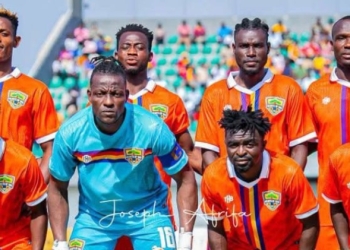


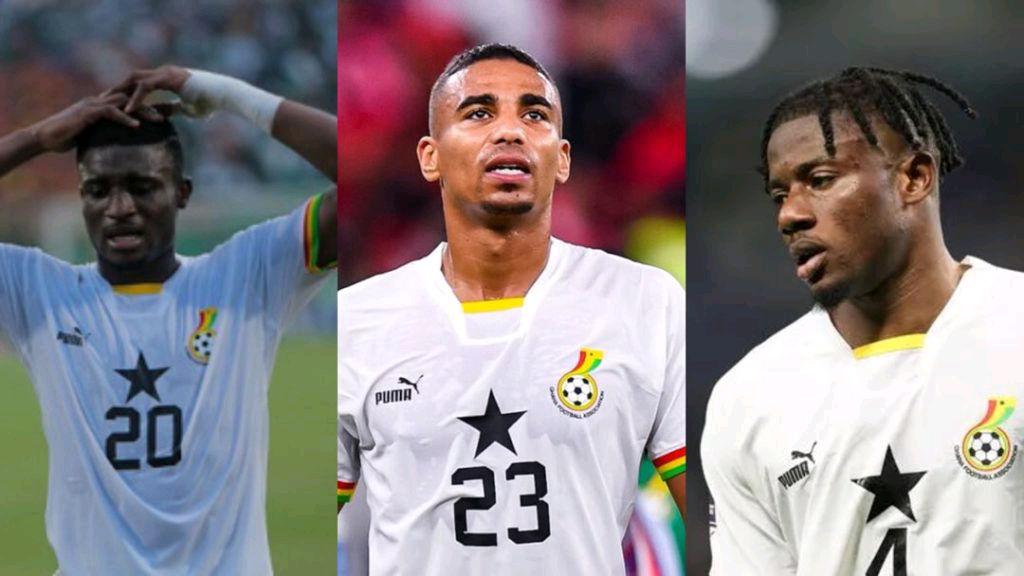
Ghana’s preparations for the 2026 FIFA World Cup have been heavily disrupted by a wave of injuries to key players, raising serious questions about the Black Stars’ chances of surviving a tough Group L campaign.
Head coach Carlos Queiroz has been forced into a major reshuffle of his 26-man squad after losing several influential figures in both defence and attack ahead of the tournament in the United States, Canada, and Mexico.
The setbacks have stripped Ghana of key balance, experience, and creativity, leaving the team with a more experimental and less settled squad heading into high-stakes matches against Panama, England, and Croatia.
Defensive concerns weaken Ghana’s structure
One of the biggest blows is the absence of Monaco defender Mohammed Salisu, who has been ruled out of the tournament with an ACL injury. His presence was expected to provide stability, aerial strength, and composure in defence.
Veteran defender Alexander Djiku has also been ruled out after sustaining an injury in his final club match, further weakening Ghana’s leadership at the back.
With limited time to rebuild chemistry, Queiroz has been forced to bring in emergency options such as Derrick Luckassen, who now faces the difficult task of integrating quickly into a system that relies heavily on organisation and coordination.
The lack of established partnerships in central defence raises concerns about Ghana’s ability to cope with high-pressure opponents, potentially forcing the team into a deeper, more defensive style of play.
Creative losses raise attacking doubts
Ghana’s problems are not limited to defence. The absence of Tottenham midfielder Mohammed Kudus has significantly reduced the team’s creativity and attacking threat.
Kudus was expected to play a central role in linking midfield and attack, driving transitions, and creating goal-scoring opportunities. His absence leaves a major gap in Ghana’s offensive structure.
Midfield responsibility now shifts heavily onto experienced figures like Thomas Partey, who is also managing fitness concerns heading into the tournament.
Without full fitness and creativity in midfield, Ghana risks becoming predictable and overly reliant on long balls and counter-attacks.
Survival test in Group L
With these setbacks, Ghana may be forced to adopt a more cautious approach, focusing on defensive discipline and set pieces rather than open attacking football.
This tactical shift could place extra pressure on forwards such as Antoine Semenyo and Jordan Ayew, who may receive fewer quality chances in open play.
Ghana’s World Cup journey begins on June 17 against Panama at BMO Field in Toronto, followed by a tough clash with England on June 23 at Gillette Stadium in the United States, before finishing the group stage against Croatia on June 27 in Philadelphia.
Can Ghana cope?
The major question now is whether the Black Stars can adapt quickly enough to survive one of the tournament’s toughest groups without their key stars.
While the squad still contains experienced and talented players, the loss of core figures in defence and attack could force Ghana into a defensive, survival-based approach.
Whether that is enough to progress remains uncertain — but the road ahead in Group L is now significantly more difficult.