

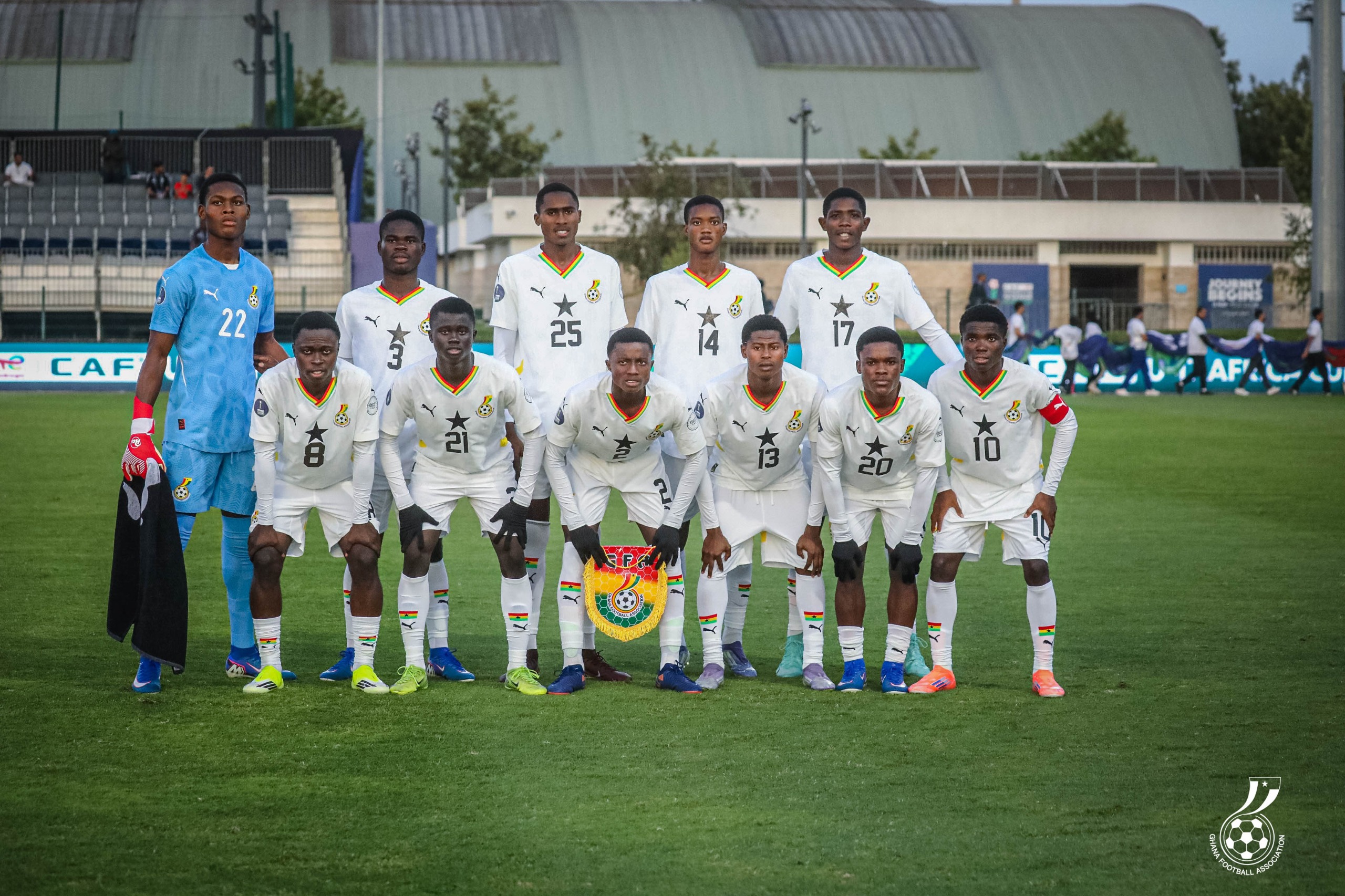
There was a time when Ghana’s name alone commanded respect in youth football across the world. From the unforgettable generation that won the FIFA U-17 World Cup in 1991 and 1995 to the historic Black Satellites side that conquered the world at the FIFA U-20 World Cup in 2009, Ghana built its football identity on strong youth development, discipline, talent discovery, and fearless performances on the international stage.
For decades, Ghana was seen as the factory of African football talent. The country consistently produced players who rose from youth tournaments to become global stars. Legends like Abedi Pele, Michael Essien, Asamoah Gyan, Sulley Muntari, Andre Ayew, and many others all benefited from a system that once understood the importance of proper grassroots football.
Sadly, that proud identity appears to be fading.
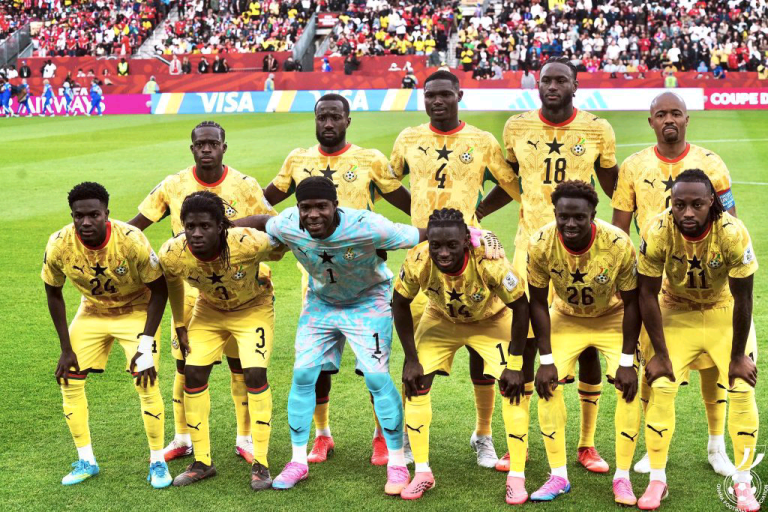
The painful failure of Ghana’s U-17 national team to qualify for the FIFA U-17 World Cup is not just another disappointing tournament result. It is a loud warning signal about the current state of Ghana football. Africa had 10 qualification slots available out of the 16 nations that participated in the tournament, yet Ghana — a nation once feared at this level — could not secure a place among them. That reality should disturb everyone who genuinely cares about the future of Ghana football.
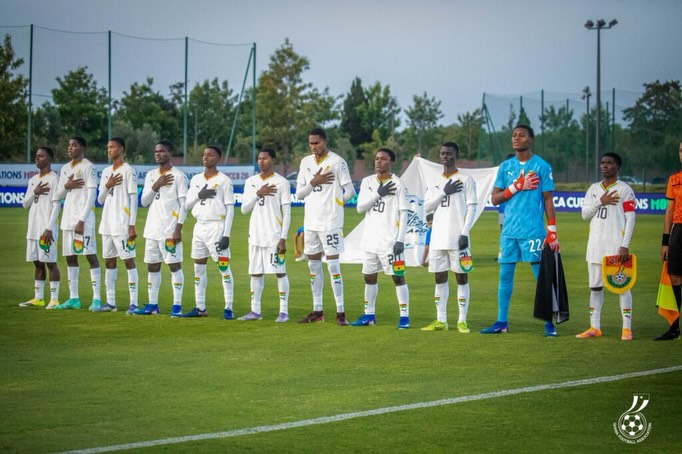
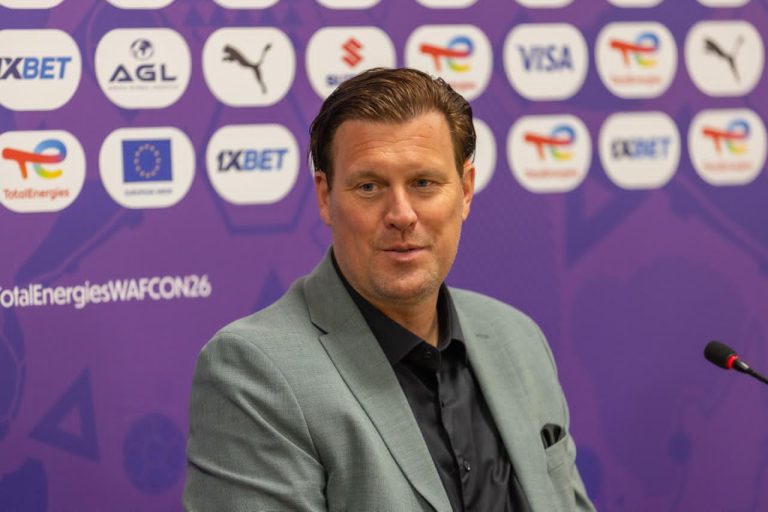
Even more worrying is the manner in which the team collapsed during matches. Conceding five second-half goals across just four games exposes serious tactical, mental, and conditioning problems within the team setup. Youth football is not only about raw talent; it is about structure, preparation, game management, and long-term technical development. When a team consistently struggles in the latter stages of matches, questions must be asked about coaching, fitness levels, concentration, and overall preparation.
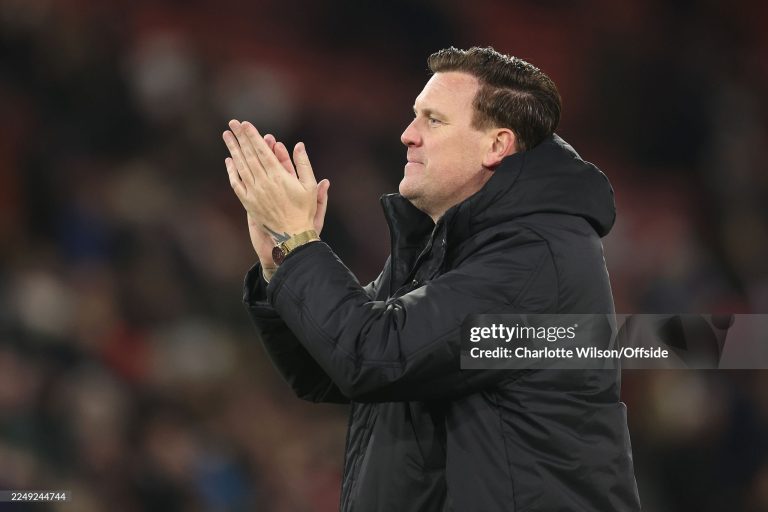
A few months ago, concerns were raised that Ghanaians should use the performances of the current U-17 side and Maxwell Konadu’s U-20 team as a measuring stick for assessing the effectiveness of the Football Association’s youth policies and innovations. That statement now looks painfully accurate.
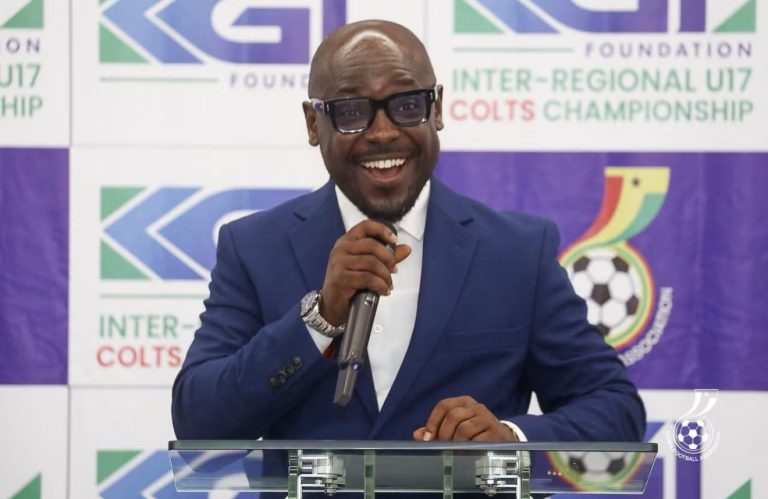
Over the past few years, there has been constant discussion about reforms, youth projects, talent identification programs, academies, and restructuring initiatives within Ghana football. However, football is ultimately judged by results and visible progress. If the U-15, U-16, U-17, and U-19 structures are functioning effectively, then by now Ghana should be seeing clear improvement in youth national team performances, tactical identity, and player development.
Instead, the opposite seems to be happening.
Countries that once looked up to Ghana in youth football are now overtaking us with modern systems, scientific development programs, and long-term football planning. Nations like Morocco, Senegal, Mali, and even smaller football countries on the continent are making massive progress because they are investing heavily in structured youth development rather than depending solely on natural talent.
Meanwhile, Ghana continues to struggle with inconsistency, poor transitions between age groups, inadequate grassroots competitions, and recurring administrative concerns. The danger is that if these issues are not addressed quickly, the decline will eventually affect the senior national teams even more severely in the coming years.
History has shown that strong senior national teams are built on strong youth foundations. Ghana’s golden generation did not appear by accident. It was the result of years of proper youth football structures, school competitions, colts football, and organized talent nurturing systems.
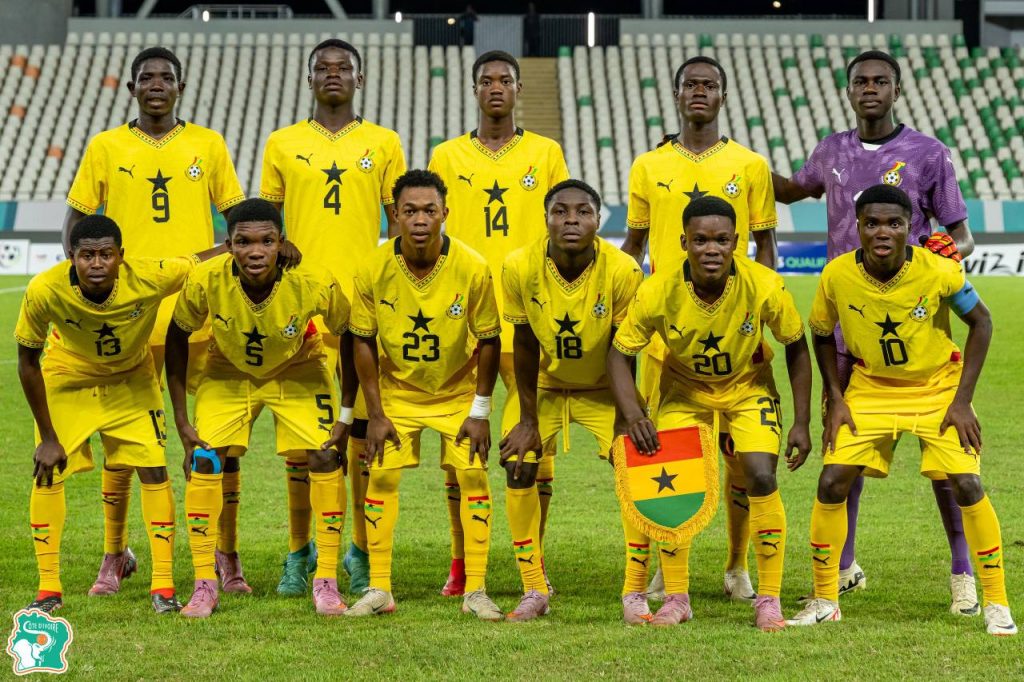
Today, many football lovers are beginning to fear that the connection between grassroots football and national success is weakening.
This is not the time for blame games or emotional defenses. It is a moment for honest reflection. Ghana football stakeholders — including administrators, coaches, club owners, scouts, and policymakers — must critically examine where things are going wrong and act decisively before the situation deteriorates further.
The failure of the U-17 team should not be treated as an isolated disappointment. It should be viewed as a symptom of deeper structural challenges facing Ghana football.
The truth is painful, but it must be said: Ghana can no longer rely on its glorious past alone. Reputation does not win modern football tournaments. Planning, structure, investment, and competent execution do.
If urgent action is not taken, future generations may only hear stories about the days when Ghana dominated African youth football — instead of witnessing it themselves.