

A new wave of Ghanaian footballers is changing the rhythm of European football. They are young, confident, and tactically smart. Unlike earlier generations who often struggled to find consistency, this group knows how to adapt fast. They mix technique with work ethic, and their rise has caught the eye of scouts and fans across top leagues. You can follow their matches and stats easily through trusted platforms like 1xbet.et/en, which helps track results and performance data in real time.
From Accra to Amsterdam: The Road to Europe
Most of these players started their journey in local academies such as Right to Dream or WAFA. These schools have built reputations for creating technically polished athletes ready for European football. Their scouting systems are sharp: by age 17 or 18, talents already move to clubs in Denmark, Belgium, or the Netherlands. That’s how names like Mohammed Kudus and Ernest Nuamah found their first European contracts.
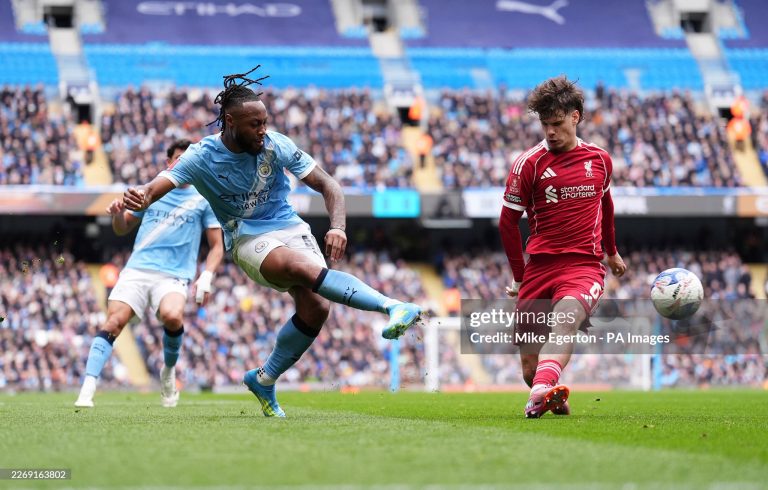
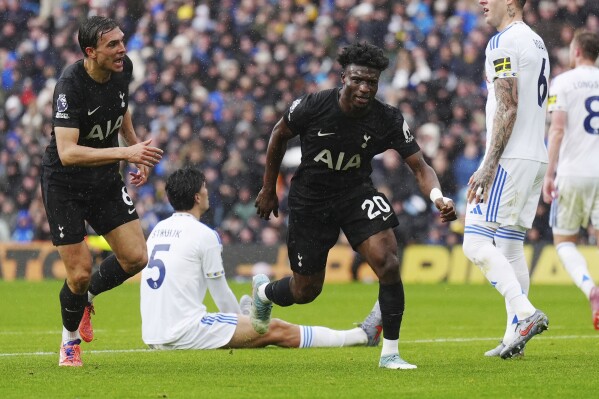
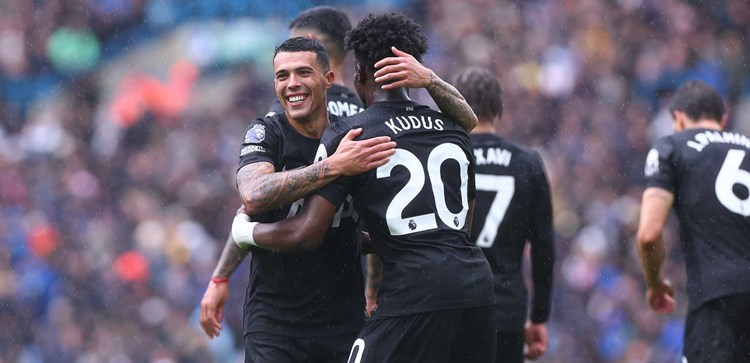
Kudus, now at Tottenham Hotspur, began at FC Nordsjælland after graduating from Right to Dream. In his first season in Denmark, he scored 11 goals and earned a transfer to Ajax. Today, he plays in one of the toughest leagues in the world and has become a symbol of Ghana’s modern football identity. Nuamah, still only 21, followed a similar path through Lyon after shining in Belgium.
Common Traits of the New Generation
This new wave shares several key qualities that separate them from older stars:
- Versatility: Many play multiple positions. Kudus can attack from midfield or the wing, while Nuamah easily shifts between striker and playmaker.
- Adaptability: They adjust quickly to new leagues and cultures. This flexibility helps them survive in competitive teams.
- Professional discipline: Young players now have access to better mentorship, data analytics, and structured career planning.
These traits help them thrive even in clubs with deep talent pools. And their performances have also brought renewed energy to Ghana’s national team.
Tracking Their Impact Across Europe
Supporters often want to follow Ghanaian players across different leagues. The growing list of performers now spans almost every major country:
| Player | Club | League | Goals (2024/25) |
| Mohammed Kudus | Tottenham | Premier League | 7 |
| Ernest Nuamah | Lyon | Ligue 1 | 9 |
| Mohammed Fuseini | Union SG | Belgian Pro League | 8 |
| Emmanuel Agyemang | Wolfsberger AC | Austrian Bundesliga | 6 |
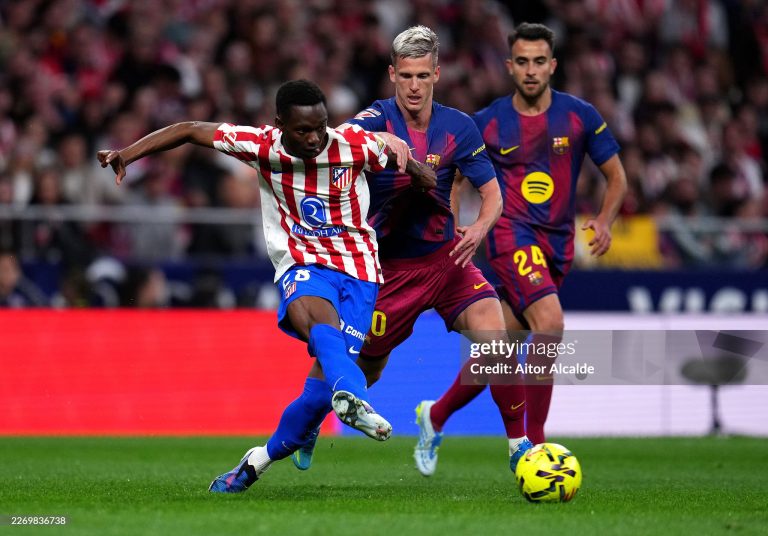
| Iñaki Williams | Athletic Bilbao | La Liga | 10 |
These numbers show that Ghanaian talent is no longer confined to bench roles or developmental squads. They now play decisive minutes, often in continental competitions like the Europa League or Champions League.
To stay updated on scores, injuries, and form charts, fans can use the 1xbet download app. It offers live tracking, match analysis, and community predictions—a handy tool for those who want to follow African stars in Europe more closely.
Why They Stand Out
Ghanaian players mix flair with determination. They don’t just play for numbers; they play to influence. Scouts say the new group is mentally sharper, less affected by the pressure that used to break young imports. They are also part of a more data-aware football culture. Coaches now use analytics to track workload, passing accuracy, and movement patterns—helping players refine their game week by week.
The influence of mentorship matters, too. Veterans like Iñaki Williams and Thomas Partey provide leadership examples, showing how consistency and fitness shape long careers. Their presence inspires the younger generation to set realistic goals.
Academies and the Engine Behind Success
Ghana’s youth academies deserve major credit. The Right to Dream Academy, for instance, has produced several players now active in Europe. Its approach goes beyond training. Players learn discipline, English language skills, and life management. That background makes integration in European clubs smoother.
Three reasons these academies are thriving:
- Partnerships with European clubs that open transfer opportunities.
- Focus on holistic education, not just athletic ability.
- Strong community values that keep players grounded after moving abroad.
This structure reduces the drop-out rate that used to plague African prospects in earlier decades.
Ghana’s Influence Is Spreading
By 2025, over 80 Ghanaian footballers are active in Europe’s professional leagues. They are not limited to England, Spain, or France. Many thrive in smaller but competitive leagues like Switzerland and Austria, where they gain experience before moving to top clubs. European coaches appreciate their intensity, tactical awareness, and willingness to learn.
Local media in Ghana follow every transfer closely. Fans at home stay up late to watch highlights, discuss moves, and celebrate goals on social media. The excitement creates a positive loop: young players see these success stories and believe they can make it too.
A Quiet Revolution in Attitude
The new Ghanaian generation plays with focus and patience. They understand that talent alone doesn’t secure success. Preparation, analysis, and teamwork do. Their journey isn’t about headlines; it’s about steady growth. And Europe is watching closely, as these players continue to raise the flag of Ghana on some of football’s biggest stages.