

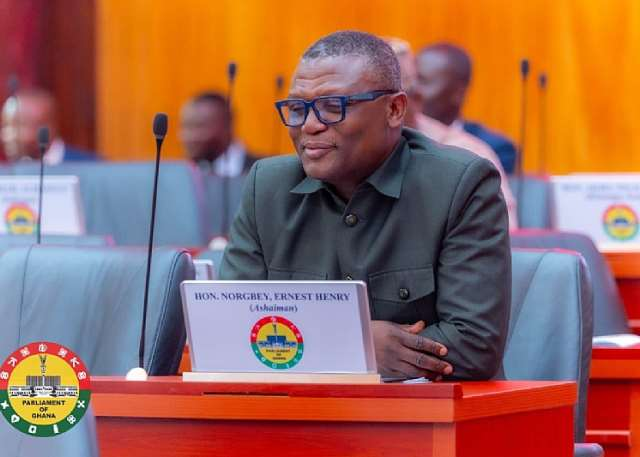
Sports and Recreation Minister Kofi Adams has insisted that Ghana’s next Black Stars head coach, if appointed from abroad, must spend more time in the country as part of efforts to strengthen the national team and improve its connection with domestic football.
Adams said the government had communicated its expectations to the Ghana Football Association (GFA), stressing that the responsibilities of a national team coach should extend beyond assembling players for international matches and major competitions.
Ghana are currently searching for a successor to Carlos Queiroz, who parted ways with the GFA following the Black Stars’ disappointing start to the 2027 Africa Cup of Nations (AFCON) qualifiers.
The four-time African champions have lost their opening two qualifying matches against Ivory Coast and The Gambia, leaving them bottom of Group C without a point and facing an uphill task to secure qualification for the tournament.
Speaking in an interview with Citi FM, Adams said the Sports Ministry had raised the issue of the next coach’s presence in Ghana during its engagement with the GFA as discussions over a new appointment continued.
“In our engagement [with the GFA], we indicated that our coach should also be interested in spending time in Ghana,” Adams said.
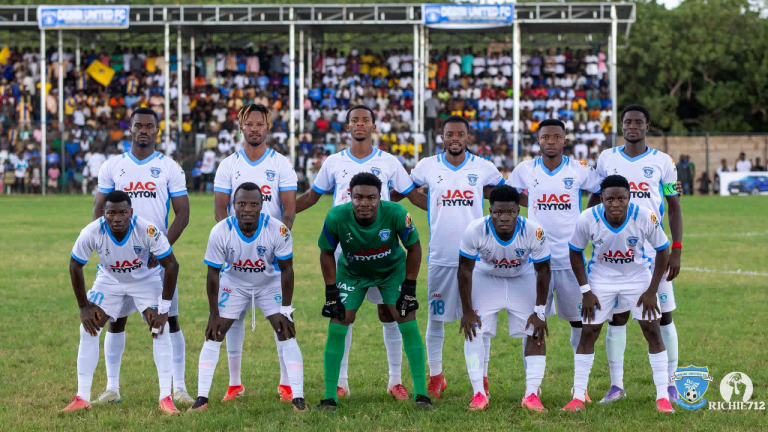
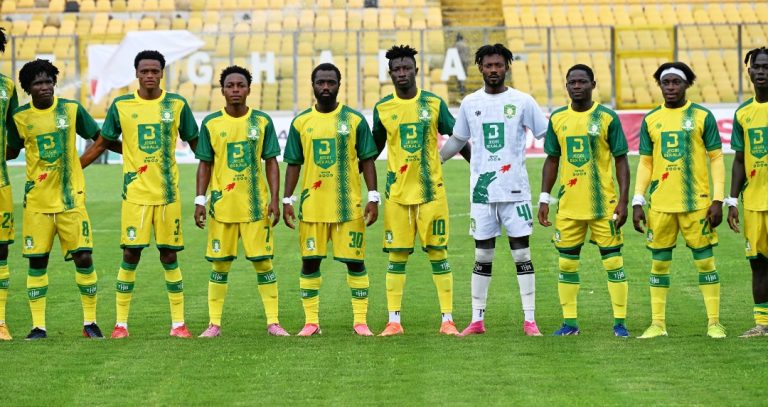
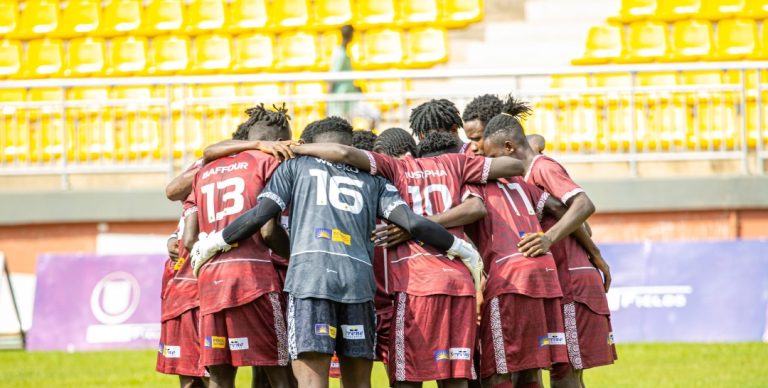
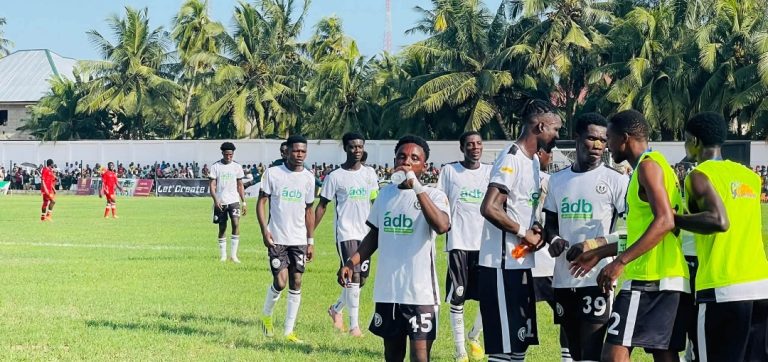
The minister emphasised that a national team coach should maintain a consistent presence in the country to monitor domestic football, assess players in the Ghana Premier League and establish stronger relationships with clubs and other stakeholders.
“You can’t have a national team coach who visits the country only when the team is coming to play a competition… then you are not a national team coach.
“The coach must spend more time here and maybe go to Europe to also scout there from time to time,” he added.
Adams’ comments underline the Sports Ministry’s desire for a coaching arrangement that allows the next Black Stars manager to maintain a closer connection with Ghanaian football while continuing to monitor players competing abroad.
The minister’s position also raises questions about the balance between scouting Ghanaian players overseas and identifying talented footballers within the domestic league, where clubs continue to develop players for the senior national team.
A coach who spends more time in Ghana would have greater opportunities to attend league matches, assess players regularly and engage with coaches and club officials. Such involvement could also help the technical team identify potential national team players before major international assignments.
However, the effectiveness of such an arrangement would depend on the eventual coach’s responsibilities, scouting structure and working relationship with the GFA, particularly as Ghana continues to rely heavily on players based outside the country.
Meanwhile, an interim technical team is expected to take charge of the Black Stars for their double-header against Somalia next month at the Accra Sports Stadium.
Several names have been linked with possible roles in the temporary technical setup, including Black Queens head coach Kim Lars Björkegren, former Ghana international Godwin Attram and coach Ibrahim Tanko.
The interim arrangement is expected to provide temporary leadership while the GFA works towards appointing a substantive head coach.
The search for a new manager comes at a critical period for Ghana, with the team needing to recover from its poor start to the 2027 AFCON qualifying campaign.
The Black Stars lost their opening matches against Ivory Coast and The Gambia, leaving them with no points after two games in Group C. The results have intensified scrutiny of the team’s technical direction and the decisions surrounding its preparation and management.
Ghana are also seeking to return to the AFCON after missing the 2025 edition in Morocco, increasing the importance of the ongoing rebuilding process.
Adams’ call for the next coach to spend more time in Ghana is therefore part of a wider discussion about how the Black Stars can reconnect with the domestic game, improve player identification and establish a more sustainable approach to national team management.
The eventual appointment will be expected to address the team’s immediate competitive challenges while helping to lay the foundation for improved performances in future international competitions.