

When the draw for the 2026 FIFA U-20 Women’s World Cup placed Ghana alongside France, Korea Republic, and Ecuador in Group C, reactions were mixed. Some viewed it as one of the most difficult groups in the competition. Others saw it as the perfect opportunity for Ghana’s Black Princesses to finally prove they belong among the elite nations in women’s youth football.
But beyond the excitement and anxiety surrounding the draw lies a more important question: Can Ghana finally go beyond participation and make a serious impact on the world stage?
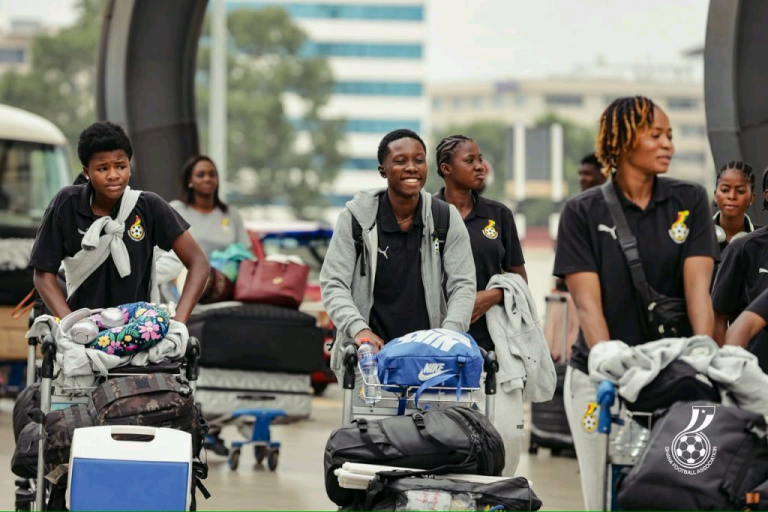
For years, the Black Princesses have been one of Africa’s most consistent representatives in women’s youth football. Qualification has almost become routine. Ghana’s place at the 2026 tournament marks an impressive eighth consecutive appearance at the FIFA U-20 Women’s World Cup — a remarkable achievement that highlights the country’s sustained commitment to women’s football development.
Yet despite this consistency, the Black Princesses still carry the burden of unfinished business.
A History of Promise, Pain, and Near Success
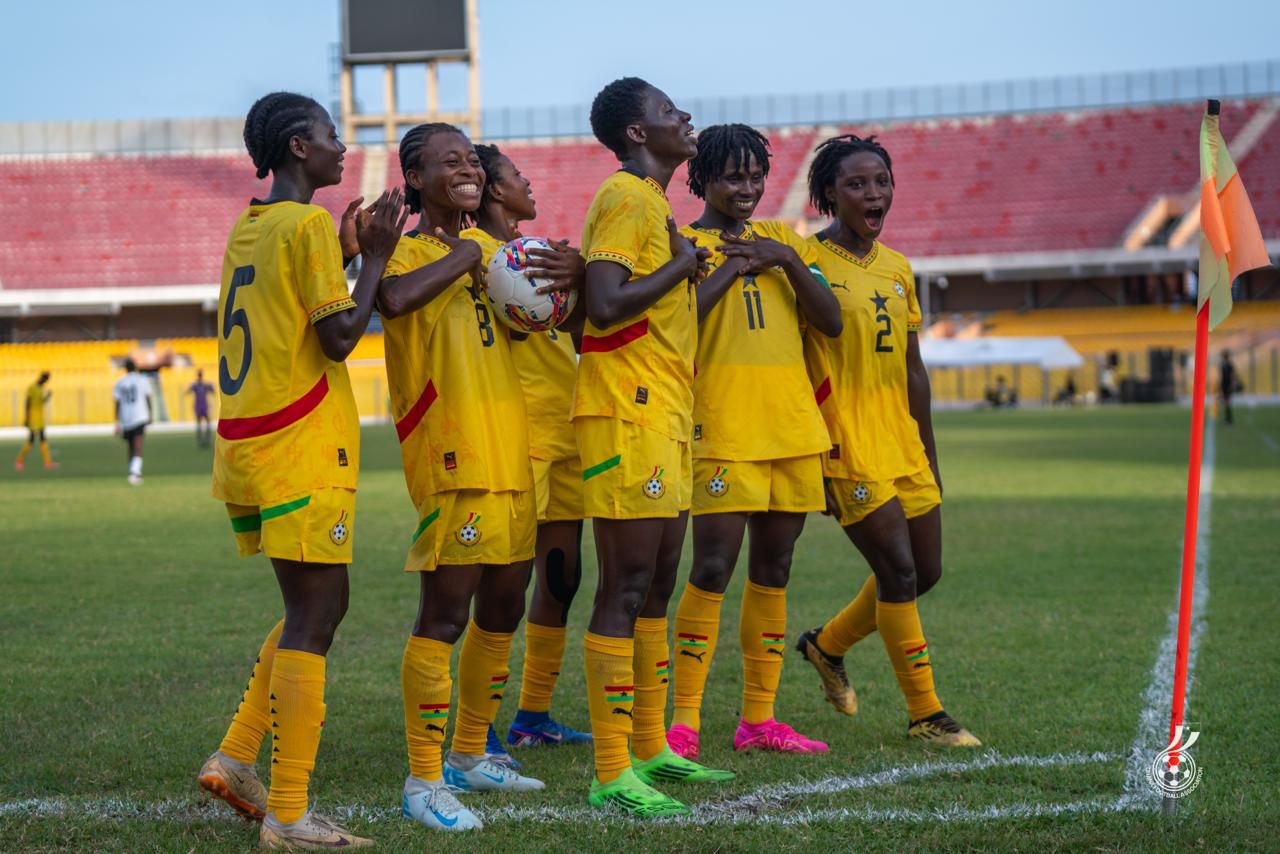
Over the years, Ghana has produced talented teams filled with technically gifted players, energetic midfielders, and fearless attackers. The Black Princesses have often entered tournaments carrying the hopes of a football-loving nation eager to see a breakthrough performance.
There have been moments of brilliance.
In previous editions, Ghana showed flashes of genuine quality against some of the world’s top football nations. The team’s aggressive pressing, athleticism, and attacking transitions have frequently troubled opponents. Players emerging from the Black Princesses setup have also gone on to represent the senior national team and play professionally abroad, proving the developmental value of the tournament.
However, the same story has often repeated itself.
Ghana have struggled to consistently turn strong performances into deep tournament runs. Defensive lapses, inconsistency in crucial moments, and difficulty managing high-pressure games have repeatedly undermined their progress.
At times, the Black Princesses have looked capable of competing with anyone. At other moments, they have appeared vulnerable against more tactically disciplined opponents.
That inconsistency is exactly what makes this upcoming tournament so fascinating.
The Challenge of Group C
This year’s group leaves little room for error.
France arrive as one of the strongest teams in youth women’s football. Their structure, technical quality, and physical intensity make them genuine title contenders. For Ghana, the opening match against the Europeans could define the emotional direction of the entire campaign.
A positive result would immediately boost confidence and belief within the squad. A heavy defeat, however, could place enormous pressure on the remaining fixtures.
Then comes Korea Republic — a side renowned for tactical organisation and relentless discipline. Historically, Asian teams at youth tournaments thrive on intelligent movement, compact defending, and efficient use of possession. Ghana’s physicality and direct attacking style will be tested against a team unlikely to lose concentration easily.
Ecuador may appear to be the least intimidating opponent on paper, but modern women’s football no longer allows for easy fixtures. South American football continues to grow rapidly, and Ecuador’s steady development means they cannot be underestimated.
In truth, every match in Group C could feel like a knockout game.
What Ghana Must Get Right
If Ghana are to progress beyond the group stage, several critical areas must improve compared to previous tournaments.
- Defensive Stability
Historically, one of Ghana’s biggest weaknesses at youth level has been defensive concentration. The Black Princesses have often conceded avoidable goals during key moments of matches.
Against teams like France and Korea Republic, defensive organisation will be essential. Full-backs must maintain positional discipline, midfielders will need to protect the backline effectively, and communication across the defence must remain constant throughout matches.
Tournament football punishes even the smallest lapses.
- Midfield Control
One recurring issue for Ghana in past tournaments has been the inability to control games once momentum shifts. The team can start strongly but sometimes struggles to slow matches down or regain composure under pressure.
This is where midfield intelligence becomes crucial.
Against technically superior teams, Ghana cannot rely solely on energy and pace. They will need players capable of dictating tempo, retaining possession, and making calm decisions in difficult moments.
Without midfield control, knockout qualification becomes extremely difficult.
- Mental Strength
Perhaps the biggest challenge is psychological rather than tactical.
At youth tournaments, emotions can swing rapidly. A single goal can transform confidence levels. Teams that succeed are usually those capable of remaining composed under pressure.
Ghana’s young players must believe they belong at this level. They cannot enter matches against bigger football nations carrying inferiority complexes or excessive fear.
The Black Princesses must approach the competition with courage, discipline, and emotional maturity.
Reasons for Optimism
Despite the difficult draw, there are genuine reasons to believe Ghana can progress.
Women’s football in Ghana has improved structurally in recent years. Coaching standards have developed, youth scouting has become more organised, and there is increasing exposure for young female players at both local and international levels.
The Black Princesses also enter the tournament with valuable qualification experience after overcoming Uganda in a competitive playoff. That journey itself tested the team’s resilience and character.
Additionally, African teams have increasingly shown they can compete globally at youth level when tactically organised and physically prepared.
If Ghana can combine their natural attacking flair with discipline and tactical balance, they possess enough talent to surprise many observers.
More Than Just Qualification
For Ghana, this tournament represents more than a fight for group-stage survival.
It is an opportunity to redefine the image of women’s football in the country.
Progressing from such a difficult group would send a powerful message about the growth of the women’s game in Ghana. It would validate years of investment, inspire the next generation of young girls, and strengthen belief in the national development pathway.
Failure, however, would likely reopen familiar debates about preparation, tactical evolution, and the ability of Ghanaian teams to compete consistently at elite international tournaments.
That is why the stakes feel so high.
Can Ghana Make It Through?
The honest answer is yes — but only if the Black Princesses produce their most complete tournament performance in years.
Talent alone will not be enough. Ghana must show defensive maturity, tactical discipline, emotional resilience, and consistency across all three matches.
The group is difficult, but not impossible.
France may be favourites. Korea Republic may be organised. Ecuador may be ambitious. But Ghana also carry history, experience, athleticism, and the hunger to finally move beyond potential.
The Black Princesses have spent years knocking on the door of a global breakthrough.
In Poland, they now face the challenge of finally kicking it open.