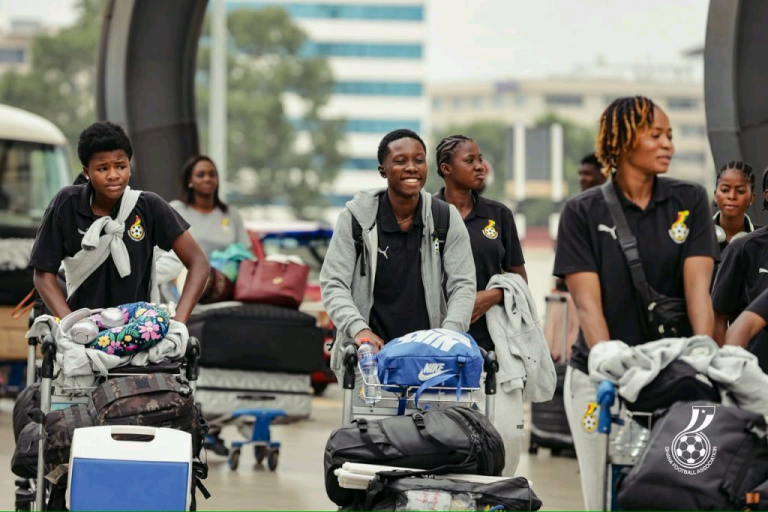


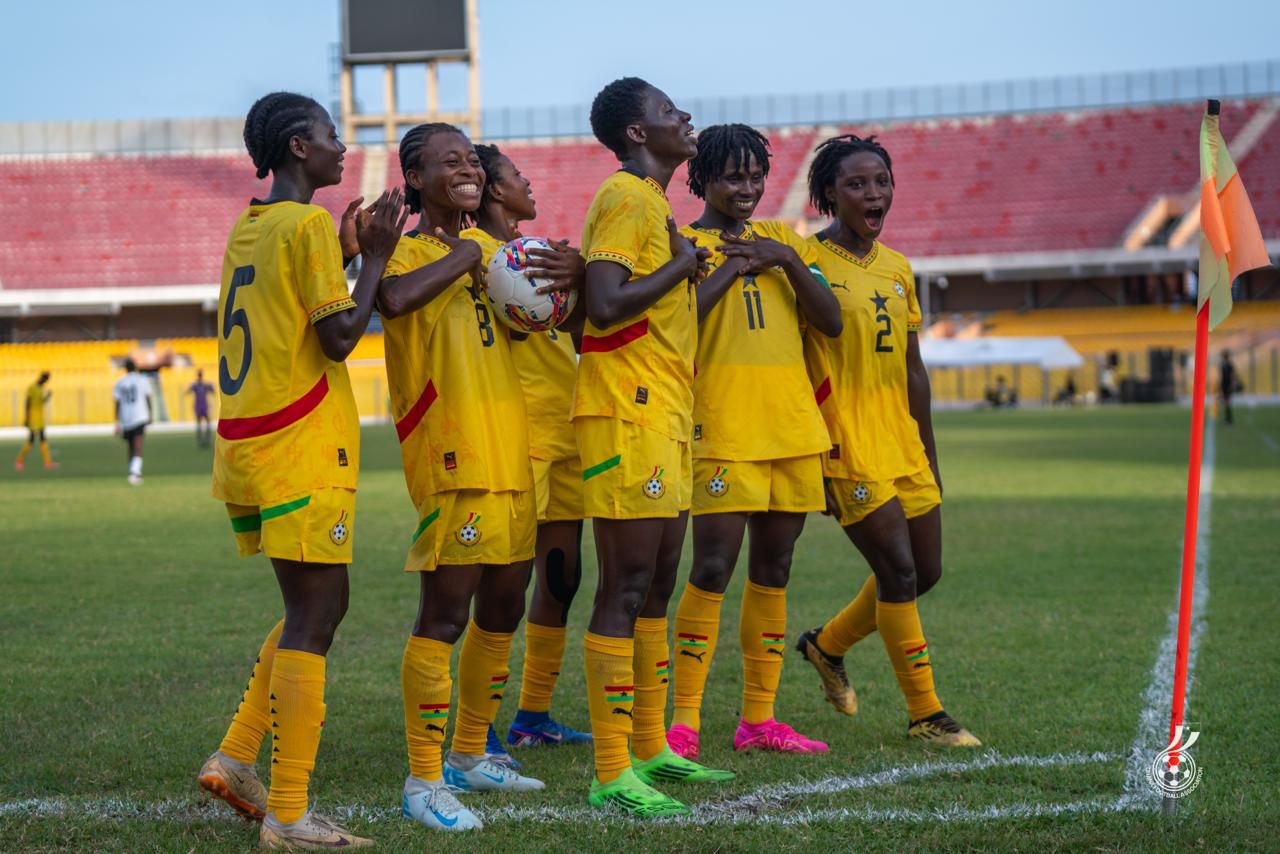
Ghana’s Black Princesses have been handed a challenging assignment at the 2026 FIFA U-20 Women’s World Cup after being drawn in a competitive Group C alongside France, Korea Republic, and Ecuador.
The tournament, which will take place in Poland from 5–27 September 2026, presents another major opportunity for Ghana’s young women to test themselves against some of the strongest emerging nations in world football.
For the Black Princesses, the draw is both exciting and demanding.
France enter the competition as one of the favourites, backed by a strong pedigree in women’s youth football and a reputation for technical excellence, athleticism, and tactical maturity. Facing the Europeans in their opening fixture will immediately reveal Ghana’s readiness to compete at the highest level.
Korea Republic also pose a serious threat. Known for their discipline, quick passing combinations, and relentless work ethic, the Asians have consistently proven difficult opponents in FIFA youth tournaments. Their structured style of play could provide one of the toughest tactical examinations for Charles Sampson’s side.
Ecuador complete the group, but they are far from pushovers. Women’s football in South America continues to grow rapidly, and Ecuador have steadily developed into an increasingly competitive side capable of troubling more established football nations.
For Ghana, qualification to the knockout stage will require consistency, composure, and tactical intelligence across all three matches.
The Black Princesses secured their place at the tournament after overcoming Uganda 3–2 on aggregate, extending Ghana’s remarkable record to eight consecutive appearances at the FIFA U-20 Women’s World Cup. That achievement underlines the country’s sustained investment and growth in women’s football.
However, this year’s tournament could become more than just another participation milestone.
It presents a chance for Ghana to prove that its women’s football structure is evolving beyond qualification into genuine global competitiveness. Over the years, the Black Princesses have produced talented individuals and memorable performances, but progressing deep into the tournament has remained elusive.
This group now offers the perfect measuring stick.
Against France, Ghana must show defensive organisation and mental resilience. Against Korea Republic, midfield discipline and tactical concentration will be crucial. Against Ecuador, efficiency in front of goal could determine whether the Black Princesses advance or exit early.
Much will also depend on the ability of coach Charles Sampson to prepare the team psychologically for the intensity of tournament football, where small mistakes are often decisive.
Despite the difficulty of the draw, there is still optimism surrounding the Black Princesses. Ghanaian women’s football continues to develop technically and structurally, while recent youth competitions have shown growing confidence and tactical maturity within the national setup.
The challenge ahead is enormous, but so is the opportunity.
If the Black Princesses can navigate one of the tournament’s most competitive groups, it would represent a major statement for Ghana women’s football on the global stage and potentially mark the beginning of a new era for the country’s female youth teams.