

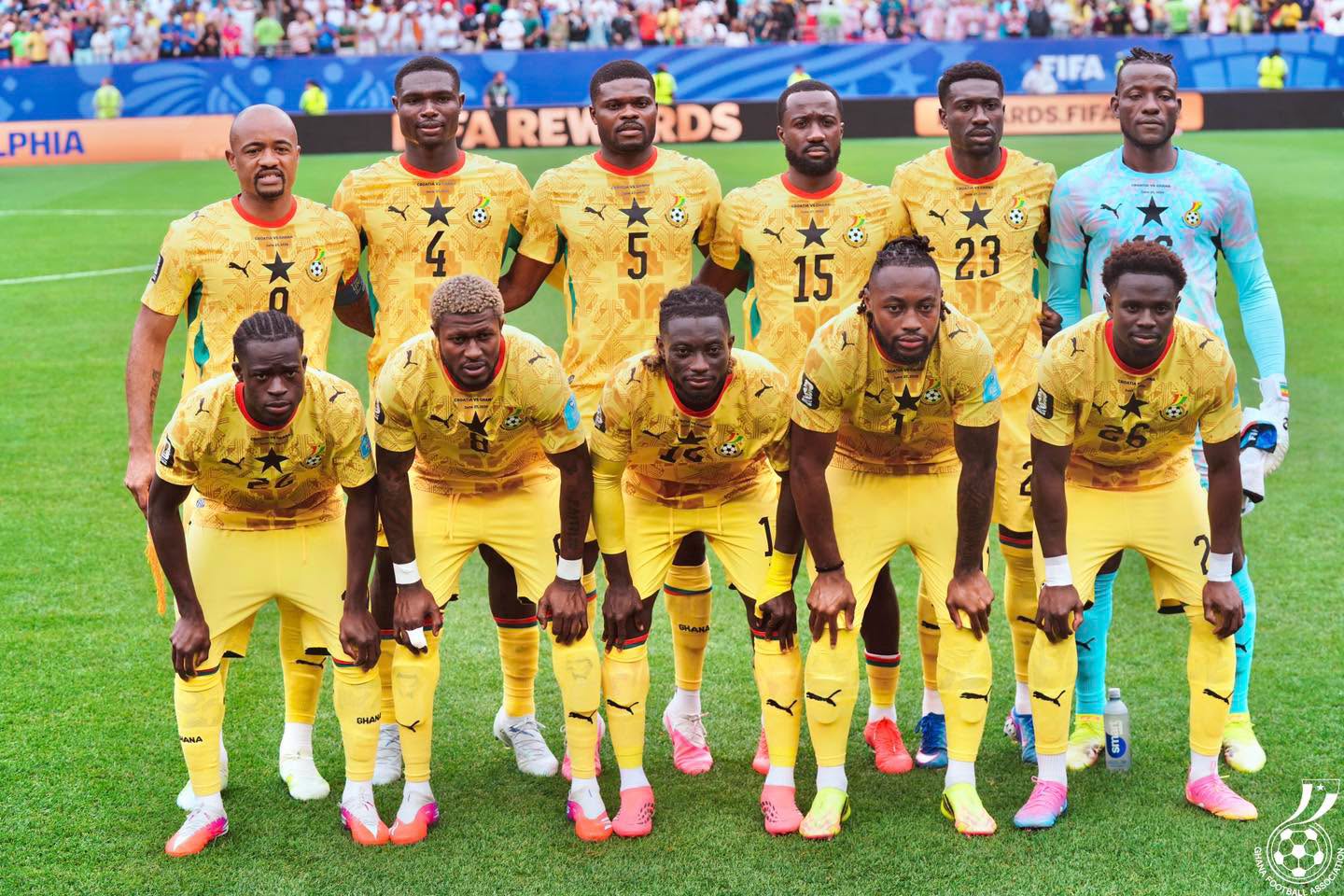
Ghana’s 2026 FIFA World Cup campaign may have ended in the Round of 32, but the tournament also marked the emergence of a new generation of Black Stars capable of competing with the world’s elite.
Carlos Queiroz’s side bowed out following a narrow 1-0 defeat to Colombia, yet their performances throughout the competition restored belief among supporters after years of inconsistency. Ghana displayed defensive discipline, tactical organisation and resilience against some of football’s biggest nations, laying a solid foundation for the future.
While the team fell short of reaching the latter stages, several players left North America with their reputations significantly enhanced. From commanding defensive displays to breakthrough performances in midfield, these five Black Stars established themselves as key figures for Ghana’s future.
Benjamin Asare – Ghana’s New Safe Hands
No player answered more questions than goalkeeper Benjamin Asare.
The Hearts of Oak shot-stopper arrived at the tournament surrounded by doubts over whether a goalkeeper from the Ghana Premier League could thrive on football’s biggest stage. By the end of the competition, those doubts had completely disappeared.
After replacing Lawrence Ati-Zigi, Asare became one of Ghana’s standout performers. He kept successive clean sheets against Panama and England, producing several outstanding saves, including a dramatic late stop to deny Bukayo Saka and preserve a memorable goalless draw.
His commanding presence, composure and confidence transformed Ghana’s backline, while he made history as the first Ghana Premier League goalkeeper to feature at a FIFA World Cup and the first Ghanaian goalkeeper to record consecutive World Cup clean sheets.
The 33-year-old has now firmly established himself as a serious contender to become Ghana’s long-term first-choice goalkeeper.
Caleb Yirenkyi – Ghana’s Midfield Revelation
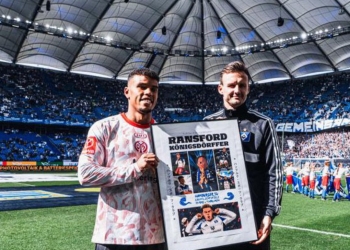
Few players enjoyed a bigger breakthrough than Caleb Yirenkyi.
Tasked with filling the creative void left by the absence of Mohammed Kudus, the FC Nordsjælland midfielder embraced the responsibility with remarkable maturity.
Yirenkyi controlled games with his energy, composure and tactical intelligence, combining defensive discipline with progressive passing and confident ball carrying.
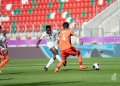
His defining moment came against Panama, where he delivered a Man of the Match performance and scored Ghana’s opening goal of the tournament.
Despite making his World Cup debut, the youngster never looked overawed, earning admiration from supporters and attracting interest from several top European clubs.
At just 20 years old, Yirenkyi appears destined to become the heartbeat of Ghana’s midfield for years to come.
Jonas Adjetey – The Defensive Leader Ghana Needed
With Mohammed Salisu and Alexander Djiku unavailable through injury, Jonas Adjetey stepped into the spotlight and excelled.
The Wolfsberger AC defender produced consistently composed performances, combining strong tackling, aerial dominance and excellent positional awareness throughout the tournament.
He played a crucial role in Ghana’s clean sheets against Panama and England, successfully containing some of the world’s most dangerous attackers.
His absence against Colombia due to injury further highlighted his importance, as Ghana’s defence lost some of its stability after he missed the knockout clash.
Adjetey emerged from the tournament as one of Ghana’s most reliable defenders and looks set to anchor the Black Stars defence for years to come.
Marvin Senaya – Ghana’s Long-Term Solution at Right-Back
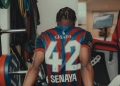
Marvin Senaya answered one of Ghana’s biggest positional concerns.
For years, the Black Stars struggled to find a natural right-back capable of excelling at both ends of the pitch. Senaya’s performances in North America suggested that search may finally be over.
The AJ Auxerre defender impressed with his pace, defensive discipline and willingness to support attacks down the flank.
He handled several elite wingers confidently while also providing valuable width going forward.
His influence became even more apparent during the defeat to Colombia, as Ghana conceded shortly after he was forced off through injury, disrupting the team’s defensive balance.
Senaya’s performances have firmly established him as Ghana’s first-choice right-back heading into future competitions.
Jerome Opoku – A Defensive Rock
Jerome Opoku quietly enjoyed one of the most consistent tournaments of any Ghanaian player.
The İstanbul Başakşehir centre-back combined physical strength, composure and leadership to become a vital figure in Ghana’s defence.
Whether partnering Jonas Adjetey or adapting alongside other defenders following injuries, Opoku displayed impressive tactical awareness, reading danger effectively and organising those around him.
His aerial dominance also made him a threat from set-pieces, while his calmness under pressure helped Ghana remain competitive against top-class opposition.
Making his first appearance at a major international tournament, Opoku looked every bit an established international and cemented his place among Ghana’s defensive leaders.
A Promising Future for the Black Stars
Although Ghana’s World Cup dream ended in the Round of 32, the tournament offered far more positives than the final result alone suggests.
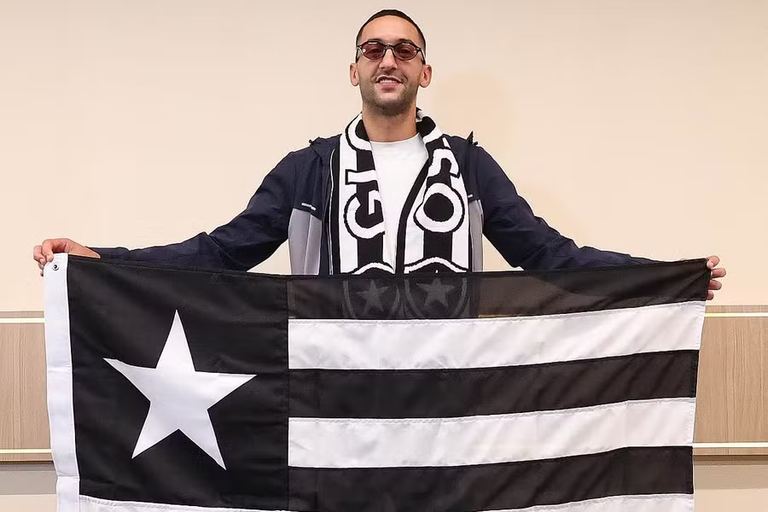
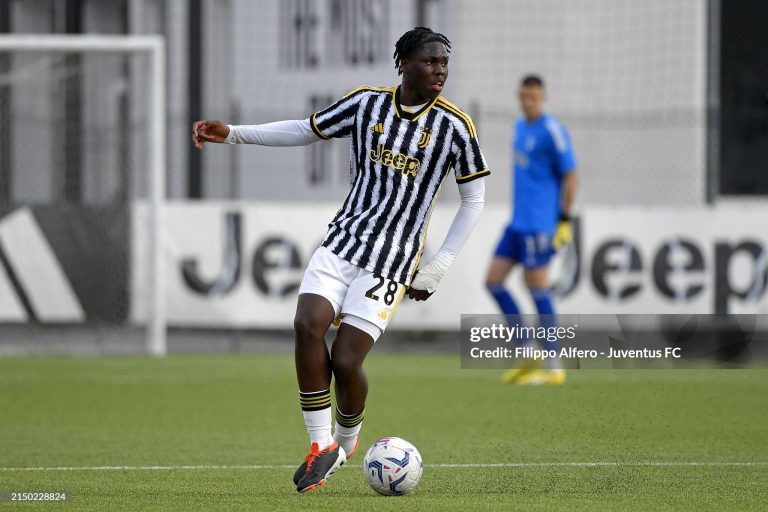
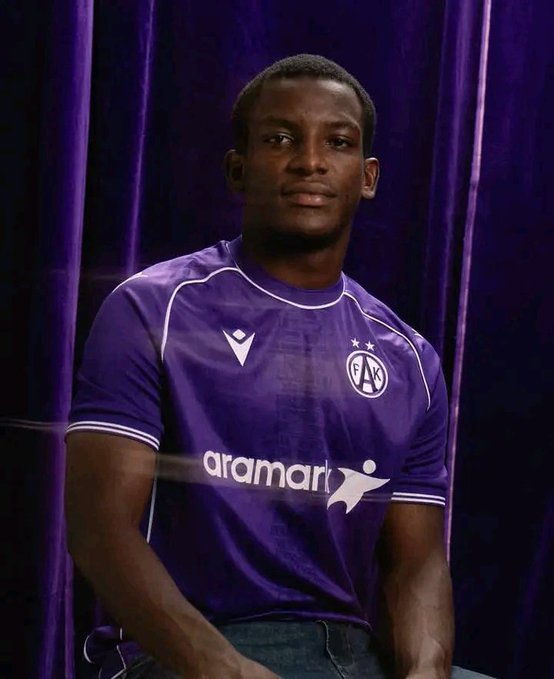
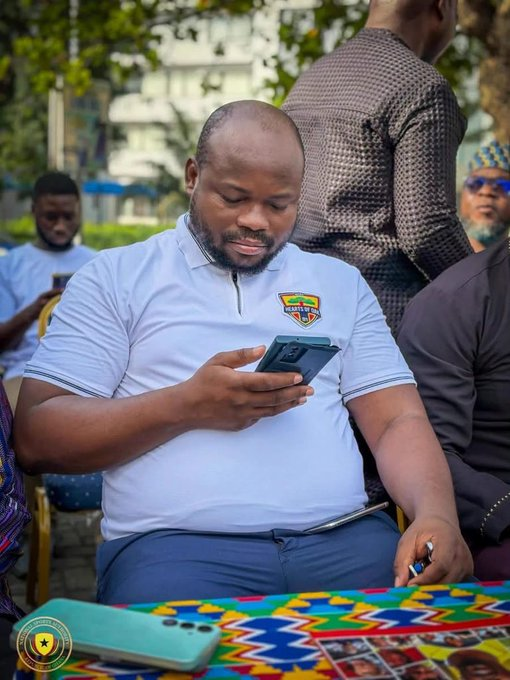
Benjamin Asare answered the goalkeeping debate, Caleb Yirenkyi announced himself as one of Africa’s brightest young midfielders, Jonas Adjetey and Jerome Opoku formed a dependable defensive partnership, while Marvin Senaya finally provided stability at right-back.
Together, they represent the core of a talented new generation capable of taking Ghana forward.
With the 2027 Africa Cup of Nations qualifiers on the horizon, the Black Stars have every reason to be optimistic. If this emerging group continues to develop together, Ghana’s World Cup campaign in North America may ultimately be remembered not for its painful ending, but for introducing the players who could lead the nation back among world football’s elite.