

The 2026 FIFA World Cup is not only showcasing the next generation of football talent but also celebrating a group of remarkable veterans who continue to perform at the highest level despite advancing age.
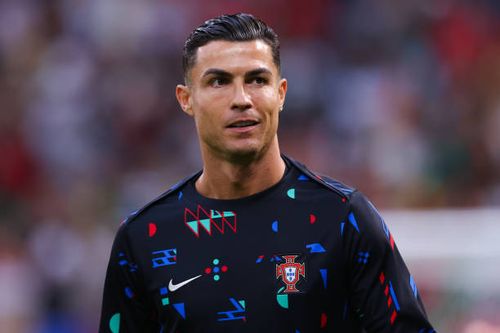
Leading the pack is Portuguese icon Cristiano Ronaldo, who at 41 years old remains a key figure for his national team. Alongside him are several experienced stars including Lionel Messi, Luka Modric, Edin Dzeko, Yuto Nagatomo and United States captain Tim Ream, all proving that age is no longer the barrier it once was in modern football.
For decades, footballers were expected to reach their peak before turning 30, with many retiring in their mid-thirties as physical decline began to affect performance. However, advances in sports science, nutrition, recovery techniques and fitness monitoring have helped elite athletes extend their careers well beyond traditional expectations.
Ronaldo remains one of the best examples of this transformation. Through strict discipline, intense training routines, proper nutrition and a relentless commitment to fitness, the Portuguese superstar has maintained a level of performance that continues to inspire younger players around the world.
Similarly, Croatia’s Luka Modric continues to dictate matches with his intelligence and technical brilliance, while Lionel Messi remains a decisive force for Argentina as he approaches his 39th birthday.
United States defender Tim Ream, who is captaining his country on home soil at the age of 38, believes longevity comes from constantly challenging oneself.
“Because for me, it’s about pushing boundaries, pushing myself, pushing the limits of what I can physically and emotionally handle,” he told Al Jazeera.
Experts say the secret behind these extended careers goes beyond modern technology. While innovations such as wearable performance trackers, cryotherapy, advanced recovery systems and detailed health monitoring play important roles, mentality remains equally important.
Professor Vlatko Vucetic, who has worked closely with Modric for more than a decade, believes passion for the game is a major factor.
“It’s not just about the science, or machines, or AI,” he said.
“This question is always about people.”
According to performance specialists, veteran players must work harder than younger athletes to maintain their fitness levels. Recovery periods become longer, injuries become more common and the physical demands of the modern game continue to increase.
Yet many of these players continue because of their love for football and desire to compete.
For Modric, that motivation remains simple. According to Vucetic, “He likes to play like a kid in the sand, as we say in Croatia.”
Tim Ream also credits his longevity to careful attention to recovery and preparation.
“[I’m] setting an example for them of setting goals and following through and pushing yourself and grit and determination and leadership,” he said about inspiring his children.
The presence of Ronaldo, Messi, Modric and other veterans at World Cup 2026 serves as a powerful reminder that experience can still compete with youth. While younger stars may possess greater speed and athleticism, the older generation continues to rely on intelligence, leadership, positioning and years of accumulated knowledge.
As football continues to evolve, these veteran stars are redefining what is possible. Their achievements demonstrate that with discipline, dedication and an unwavering passion for the game, elite careers can extend far beyond what previous generations believed possible.
For Ronaldo and his fellow football legends, World Cup 2026 is more than just another tournament. It is proof that greatness can endure, even when time seems determined to move on.