

As Africa prepares to take center stage at the 2026 FIFA World Cup, the continent’s ten representatives arrive not just as participants, but as competitors with real ambitions.
For decades, African teams have carried the tag of “potential,” often dazzling in moments but falling short of ultimate glory. However, this generation feels different—more experienced, more tactically refined, and more fearless.
Morocco: Africa’s Standard Bearers
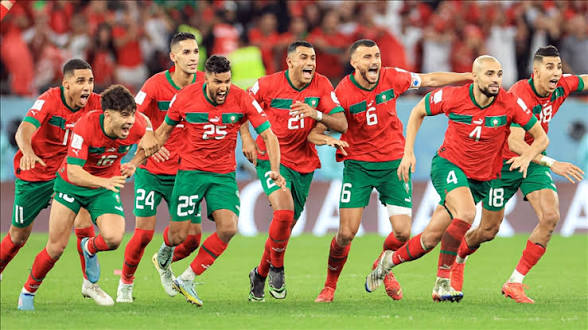
Morocco national football team remain the continent’s most complete side heading into 2026. Their historic run to the semi-finals at the 2022 World Cup was not a fluke—it was the result of structure, discipline, and belief.
Under Mohamed Ouahbi, Morocco now face a different kind of pressure. They are no longer outsiders; they are expected contenders. With a technically superior midfield, a compact defensive system, and players competing at the highest levels in Europe, Morocco possess the blueprint to go far again
The challenge, however, lies in sustaining that level of performance. Opponents will now approach them with caution and respect, meaning Morocco must evolve tactically to stay ahead. If they can maintain their defensive solidity while improving their attacking efficiency, another deep run is not just possible—it is expected.
Senegal: Power, Balance, and Maturity
Senegal national football team have quietly built one of the most balanced squads in international football. Under Pape Bouna Thiaw, they combine physical dominance with tactical intelligence
Senegal’s strength lies in their cohesion. This is a team that understands itself—defensively disciplined, quick in transition, and dangerous in attack. Their AFCON success and consistent performances against top-tier opposition underline their readiness.
Unlike previous generations, this Senegalese side does not rely on individual brilliance alone. It is a system-driven team, capable of adapting to different opponents. If they maintain composure in high-pressure moments, Senegal could realistically push beyond the quarter-finals and challenge for a historic finish.
Egypt: A Giant Seeking Global Validation
Egypt national football team carry one of the richest histories in African football, yet their World Cup story remains underwhelming. Under Hossam Hassan, the Pharaohs are determined to rewrite that narrative
Egypt’s strength lies in experience and tactical discipline. Hassan, a legend of the game, brings intensity and deep understanding of Egyptian football culture. His influence has already begun shaping a more aggressive and confident side.
However, the challenge is psychological as much as tactical. Egypt must overcome the weight of expectation and their past struggles on the global stage. If they can strike the right balance between caution and ambition, they could finally break into the knockout rounds—a milestone that would mark a turning point in their World Cup history.
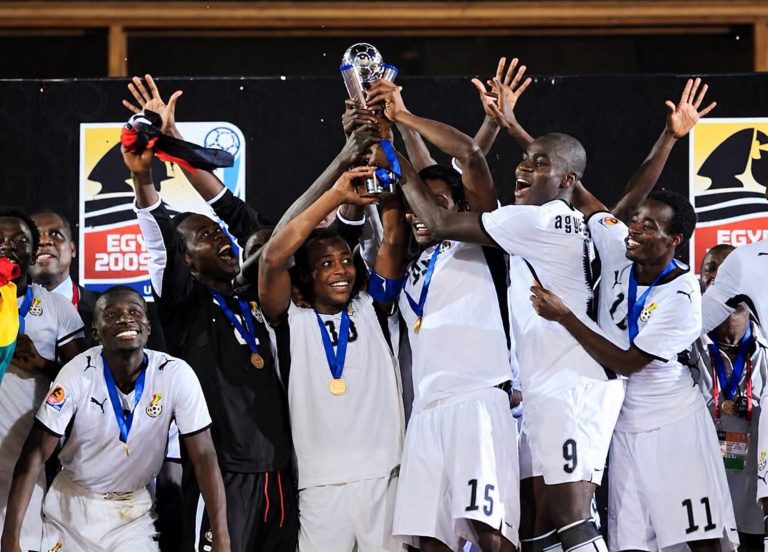
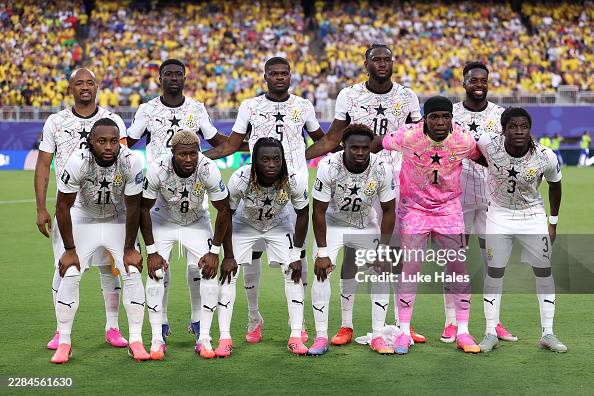
Ghana: A Sleeping Giant with Renewed Direction
Ghana national football team return with a point to prove. Once Africa’s brightest hope on the world stage, Ghana’s recent campaigns have been marked by inconsistency. The appointment of Carlos Queiroz signals a strategic shift toward experience and structure.
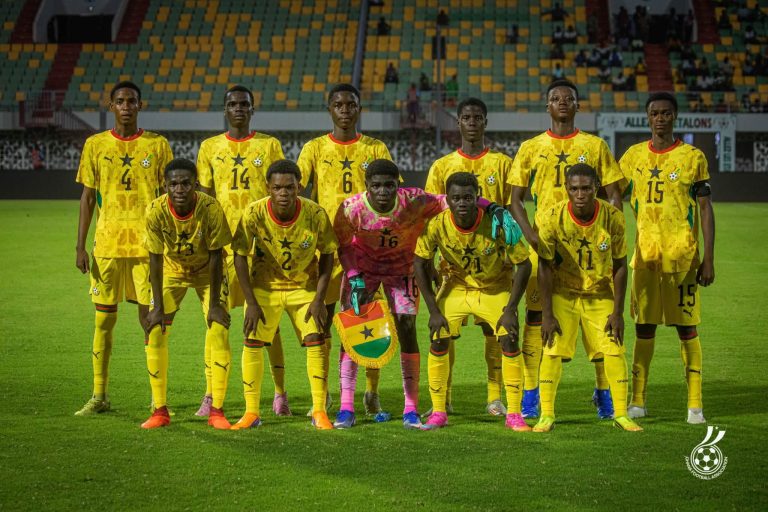
Queiroz’s pedigree—spanning multiple World Cups—brings tactical discipline and organization. Ghana’s squad, rich in youthful talent and diaspora influence, has the raw quality needed to compete. The key question is whether that talent can be molded into a cohesive unit in time.
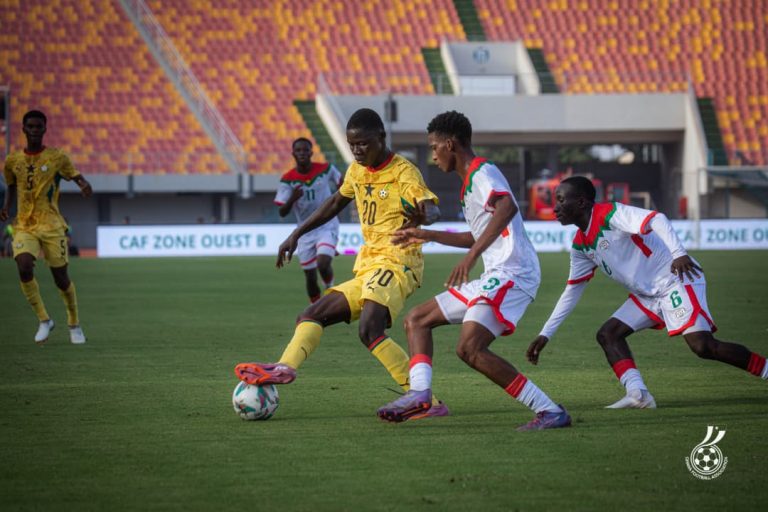
With a difficult group ahead, Ghana must be clinical and tactically sharp. If they find rhythm early, they could surprise many. The potential is undeniable—but execution will determine their fate.
Algeria: Rebuilding with Quiet Confidence
Algeria national football team, under Vladimir Petkovic, are entering a new era. After a period of decline following their 2019 AFCON triumph, Algeria are rediscovering their identity.
Petkovic’s experience at international level has brought stability and tactical clarity. Algeria’s strength lies in their organization and ability to control games through structured play.
While they may not attract as much attention as some of their continental rivals, Algeria remain dangerous. Their ability to grind out results and exploit moments could make them one of the tournament’s most difficult teams to face.
Ivory Coast: Youthful Brilliance and Momentum
Ivory Coast national football team, guided by Emerse Fae, are one of the most exciting teams to watch. Their AFCON triumph showcased resilience, flair, and bbelief.
This is a team in transition—young, energetic, and fearless. Their attacking options and technical quality make them a constant threat. However, their relative inexperience at the World Cup level could be a limiting factor.
If Ivory Coast can channel their momentum and maintain composure, they have the potential to exceed expectations. Their journey will largely depend on how quickly they adapt to the intensity of the global stage.
South Africa: A Resurgence in Progress
South Africa national football team, under veteran coach Hugo Broos, are steadily rebuilding. Their qualification marks a significant milestone in their resurgence.
Broos brings experience and discipline, having previously achieved success on the continent. South Africa’s strength lies in their organization and collective effort.
However, the gap between continental competition and the World Cup remains significant. For South Africa, progression beyond the group stage would represent a major achievement.
Tunisia: Consistency Under Pressure
Tunisia: Consistency Under PressureTunisia national football team, led by Sabri Lamouchi, are a team searching for stability
Tunisia have often been competitive but lack the cutting edge required to progress. Lamouchi’s experience offers hope, but consistency remains the biggest challenge.
Their disciplined approach could make them difficult opponents, but they must find a way to convert performances into results.
DR Congo: A Return Fueled by Determination
DR Congo national football team return to the World Cup after decades away, under Sebastien Desabre.
This is a team driven by history and ambition. Their long absence means expectations are tempered, but their hunger could be their greatest asset.
Organized and tactically disciplined, DR Congo may not be favorites, but they are unlikely to be pushovers.
Cape Verde: Africa’s Fearless Wildcard
Cape Verde national football team, led by Pedro Leitao Brito, embody the spirit of unpredictability.
They have consistently punched above their weight, defeating stronger teams and showcasing tactical intelligence.
Cape Verde’s lack of World Cup experience may be a disadvantage, but their fearless style makes them dangerous. They have nothing to lose—and that often makes a team more dangerous than expected.
Final Verdict: A Continent Ready for More
Africa’s presence at the 2026 FIFA World Cup is not just symbolic—it is competitive.
Morocco and Senegal lead the charge as genuine contenders capable of challenging the world’s best. Egypt, Ghana, and Algeria bring experience and tactical depth, while Ivory Coast add youthful energy and unpredictability. The remaining teams—South Africa, Tunisia, DR Congo, and Cape Verde—complete a diverse and dynamic group capable of causing surprises.
For the first time in years, the conversation is shifting. Africa is no longer asking if it can compete—it is asking how far it can go.
The stage is set. The talent is available. The belief is growing.
Now, the world will find out if Africa is truly ready to conquer it.