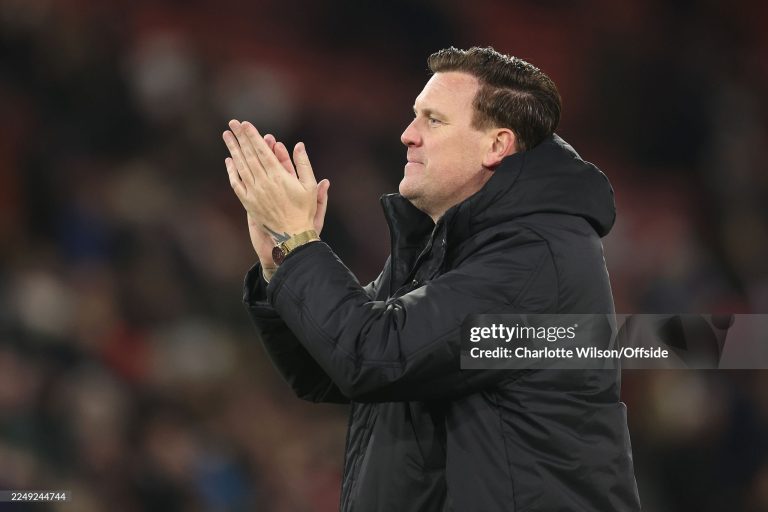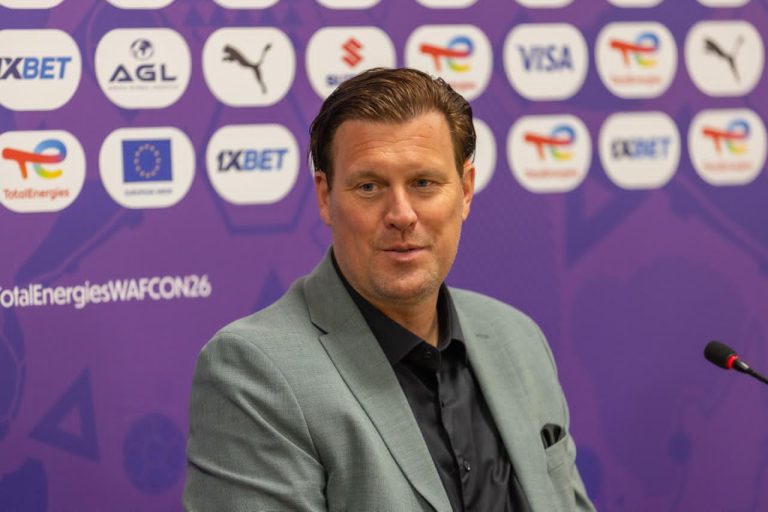


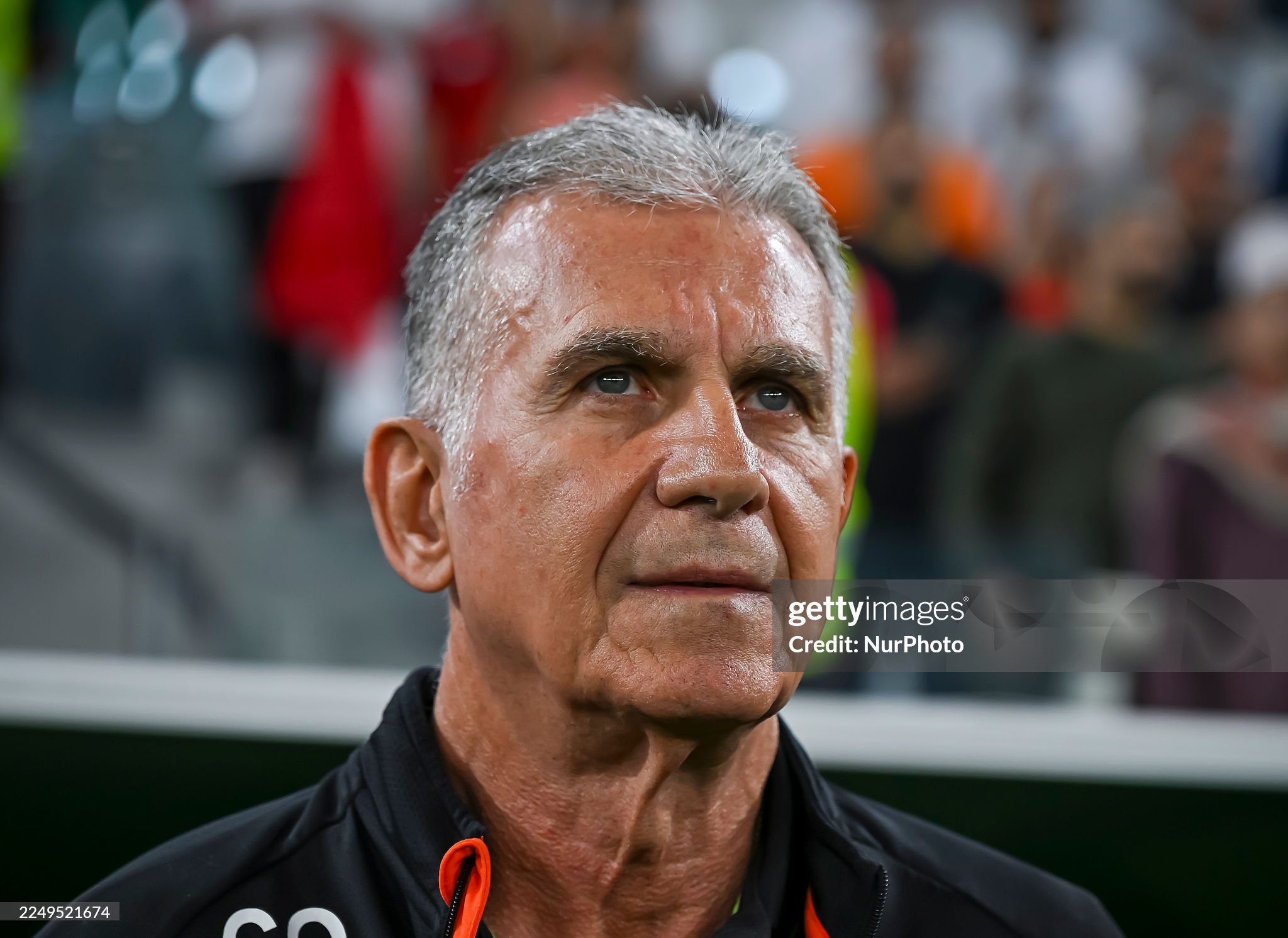
Carlos Queiroz is one of modern football’s most experienced and well-travelled managers, known for his tactical discipline, global coaching footprint, and long-standing reputation as a top-level football strategist.
From his early beginnings in Africa to coaching at World Cups across multiple continents, Queiroz’s career has been defined by structure, resilience, and international success.
Early Life and Background
Carlos Queiroz was born on March 1, 1953, in Nampula, Mozambique (then Portuguese Mozambique). Growing up in Africa gave him a unique multicultural outlook, which later influenced his adaptability as a coach across different footballing cultures.
He eventually moved to Portugal, where he pursued education in sports science and began building the foundation of his coaching philosophy—focused on organisation, discipline, and tactical intelligence.
Rise in Coaching: Youth Success
Queiroz first gained global attention in youth football, where he made history with the Portugal U-20 national team.
He led Portugal to back-to-back FIFA World Youth Championship titles in 1989 and 1991, a golden era that produced future stars such as:
- Luís Figo
- Rui Costa
His success at youth level established him as one of Europe’s brightest coaching minds.
Club Career and Major Roles
Manchester United (Assistant Coach)
One of Queiroz’s most notable roles came at Manchester United, where he served as assistant to Sir Alex Ferguson.
During his two spells at the club, he contributed to:
- Premier League titles
- UEFA Champions League triumph in 2008
- Tactical development of key players
Ferguson publicly praised Queiroz for his tactical intelligence and modern coaching methods.
Real Madrid
Queiroz later became head coach of Real Madrid in the 2003–04 season.
Although his tenure was short, he:
- Won the Spanish Super Cup
- Worked with a “Galácticos” squad featuring global superstars
- Faced challenges in maintaining consistency in La Liga
International Coaching Career
Queiroz is best known for his extensive international coaching journey, managing multiple national teams across continents.
South Africa
He led South Africa to the 2002 FIFA World Cup, helping establish structure and competitiveness in the squad.
Portugal
Queiroz managed Portugal’s senior national team, including participation in the 2010 FIFA World Cup.
Iran (Key Legacy Period)
His most successful long-term project came with Iran, where he spent nearly eight years.
Achievements include:
- Qualification for 2014, 2018, and 2022 FIFA World Cups
- Building one of Asia’s most disciplined defensive teams
- Establishing Iran as a consistent World Cup competitor
Egypt
Queiroz also coached Egypt, guiding them to the 2021 Africa Cup of Nations final, where they narrowly lost to Senegal on penalties.
This reinforced his reputation as a coach capable of transforming African national teams into competitive tournament sides.
Coaching Style and Philosophy
Queiroz is widely regarded as a:
- Tactical disciplinarian
- Defensive organiser
- High-structure manager
- Strong believer in team shape and discipline
His teams are often compact, difficult to break down, and highly organised, especially in tournament football.
He is known for prioritising:
- Defensive stability
- Tactical discipline
- Game management
- Structured counter-attacking systems
Family and Personal Life
Carlos Queiroz keeps his personal life relatively private. He is known to be family-oriented, with strong ties to his Portuguese roots. Despite decades of global travel, he has consistently maintained a low-profile personal lifestyle focused on football.
Other Coaching Experiences
Queiroz has coached in more than 10 countries, including:
- Colombia
- United Arab Emirates
- Qatar
- United States
- Japan (Nagoya Grampus)
- South Africa
- Iran
- Egypt
This makes him one of the most globally experienced coaches in modern football.
Legacy in Football
Queiroz’s legacy is defined by his ability to:
- Build disciplined, competitive national teams
- Qualify countries for major tournaments
- Work across vastly different football cultures
- Serve as a mentor and tactical innovator
He is widely respected as a “World Cup specialist,” having led multiple nations to the tournament and consistently delivering structure in high-pressure environments.
Conclusion
From his beginnings in Mozambique to coaching at the world’s biggest stages, Carlos Queiroz has built a career defined by adaptability, discipline, and global impact.
As he continues his journey in football, his experience and tactical expertise remain highly valued, especially for national teams aiming to compete at the highest level.