


As Ghana national football team prepares for its fifth FIFA World Cup appearance under new head coach Carlos Queiroz, an old debate has once again taken centre stage: are the Black Stars’ most successful tournament runs closely tied to the influence of foreign managers?
Looking back at Ghana’s World Cup history, the pattern appears difficult to ignore.
The journey began in 2006, when Ghana made its debut at the global showpiece under Serbian coach Ratomir Dujković. In that tournament, the Black Stars impressed on their first appearance, advancing to the Round of 16 and announcing themselves as one of Africa’s rising football nations.
Four years later in South Africa, Ghana reached its historic peak under Milovan Rajevac. The Black Stars stormed into the quarterfinals of the 2010 World Cup, equalling Africa’s best-ever performance at the tournament alongside Cameroon (1990) and Senegal (2002). That campaign remains the nation’s finest hour on football’s biggest stage.
However, Ghana’s fortunes under local coaches have told a different story.
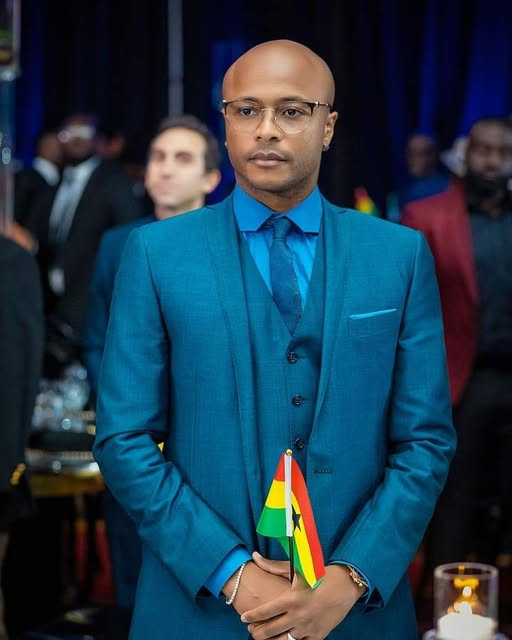
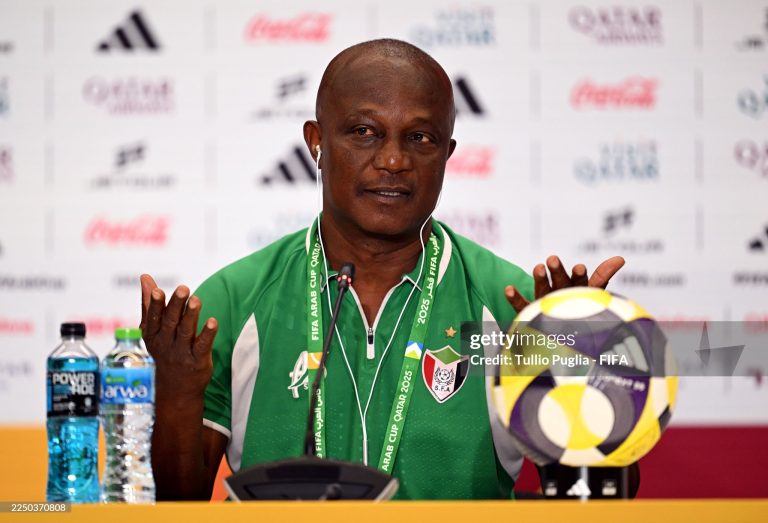
In 2014, under Kwesi Appiah, the Black Stars endured a difficult tournament in Brazil, exiting at the group stage amid internal challenges and underwhelming performances. The same outcome followed in 2022 under Otto Addo, despite a talented squad featuring attacking promise. Once again, Ghana failed to progress beyond the group phase.
Now, attention turns to 2026, where Queiroz has been appointed to lead Ghana into the expanded World Cup in the United States, Canada, and Mexico. The experienced Portuguese tactician arrives with a strong reputation for tournament management, tactical organisation, and handling pressure at the highest level.
His appointment appears to reflect a return to a strategy that previously delivered Ghana’s best results on the global stage—relying on seasoned foreign expertise to guide the team through major competitions.
Still, while historical trends may suggest a correlation between foreign coaches and success, football remains unpredictable. Squad quality, preparation, and execution on the day often matter just as much as managerial nationality.
As Ghana builds towards 2026, the real question is whether experience alone will be enough to write a new chapter—or whether history will simply repeat itself once again.